
Do Alligators Do in the Winter? The Cold-Blooded Truth
Alligators don’t hibernate in the traditional sense, but they do undergo a fascinating adaptation known as brumation. This period involves reduced activity and metabolism to survive the cold, and they may even “ice-skate” to breathe!

Understanding Alligator Brumation: The Cold-Blooded Strategy
Alligators, being ectothermic or cold-blooded, rely on external sources of heat to regulate their body temperature. As winter approaches and temperatures plummet, their metabolic rate slows dramatically. This period of dormancy is called brumation, similar to hibernation but with some key differences. Unlike mammals that hibernate deeply and consistently, alligators may still bask in the sun on warmer winter days and might even occasionally hunt if the opportunity presents itself. Do alligators do in the winter? The answer is they adapt and survive.

What colours are fish most attracted to?
Can you put your finger in a trout's mouth?
Is methylene blue anti bacterial?
Does aquarium salt raise pH in aquarium?
How Alligators Prepare for Winter

The transition to brumation is gradual. As temperatures begin to drop in the fall, alligators reduce their food intake, helping to clear their digestive systems. This prevents undigested food from rotting inside them when their metabolism slows significantly. They also seek out suitable locations for overwintering.
- Selecting a Den: Alligators often create or find dens along the banks of rivers, lakes, and swamps. These dens offer some protection from the elements, particularly freezing temperatures.
- “Ice-Skating” for Survival: One of the most remarkable adaptations is the alligator’s ability to survive in freezing water. When the surface of the water freezes, alligators may position themselves with their snouts just above the surface, allowing them to breathe even when encased in ice. This behavior is sometimes referred to as “ice-skating”.
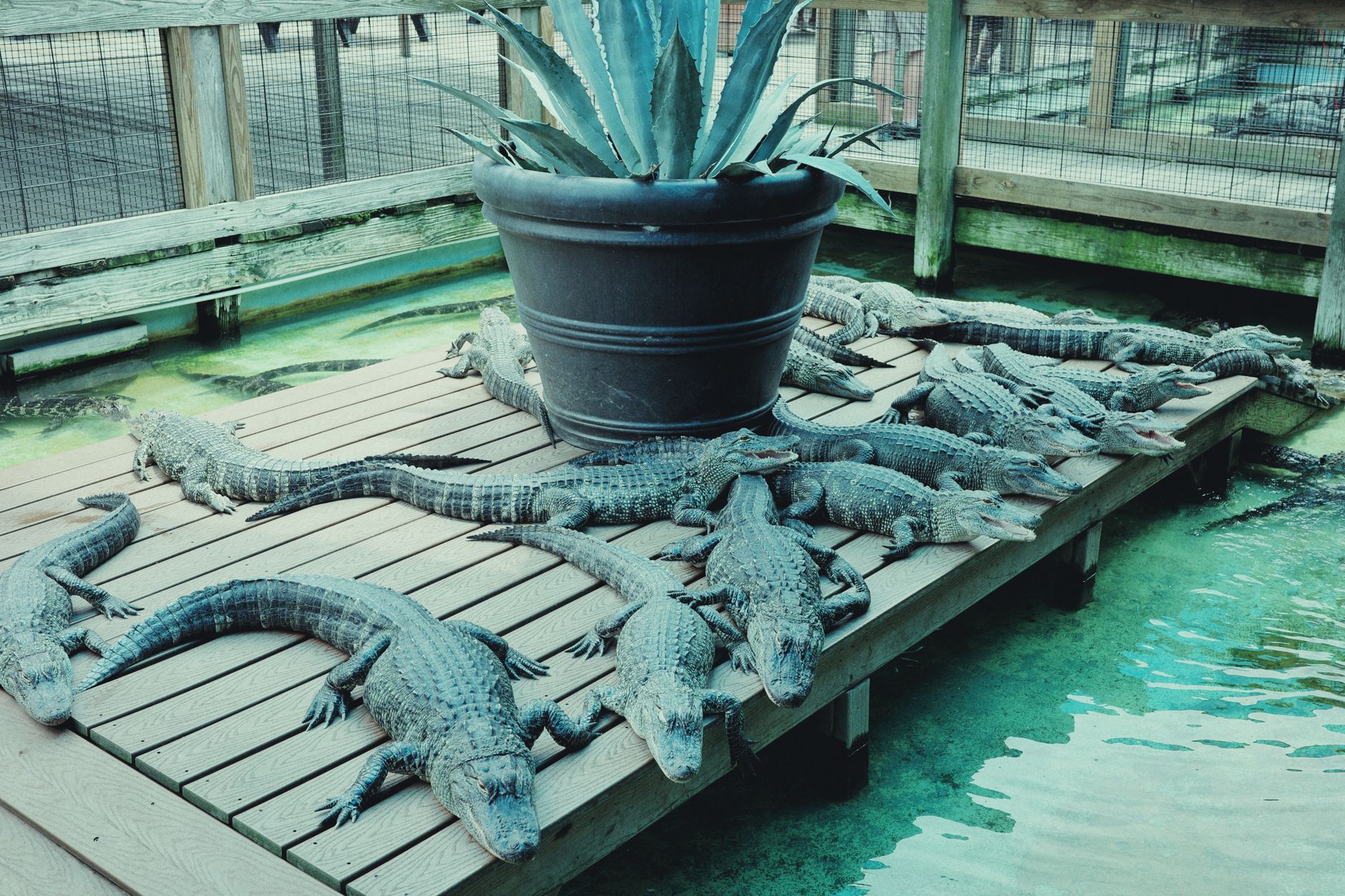
- Group Dynamics: Younger alligators may huddle together for warmth within the den. This communal behavior increases their chances of surviving harsh winter conditions.
Brumation vs. Hibernation: What’s the Difference?
While brumation and hibernation are both forms of dormancy, there are key differences:
| Feature | Brumation (Alligators) | Hibernation (Mammals) |
|---|---|---|
| Body Temperature | Significantly Reduced, but not always constant | Drastic and sustained reduction |
| Activity Level | Reduced, but occasional activity possible | Virtually no activity |
| Arousal | Can be aroused relatively easily | Difficult to arouse |
| Physiological Changes | Slowed metabolism, reduced heart rate and breathing | Significant reduction in heart rate, breathing, and metabolism |
| Food Storage | Primarily relies on reduced metabolic needs | Relies on stored fat reserves |
The Importance of Brumation for Alligator Survival
Brumation is crucial for alligator survival in colder climates. It allows them to conserve energy and withstand periods of food scarcity and freezing temperatures. Without this adaptation, alligators would not be able to survive in regions where winter temperatures regularly drop below freezing. Do alligators do in the winter? Without brumation, they simply wouldn’t do much at all.
Common Myths and Misconceptions About Alligator Winter Behavior
There are several misconceptions about how alligators cope with winter. One common myth is that they hibernate like bears, sleeping soundly through the entire season. In reality, alligators can be active on warmer days and may even venture out to hunt. Another misconception is that they are entirely vulnerable when encased in ice. Their ability to keep their snouts above the surface demonstrates their remarkable adaptability.
Adapting to Climate Change
Climate change is presenting new challenges to alligator populations. Warmer winters may disrupt their brumation cycles, potentially affecting their health and reproductive success. Changes in water levels and habitat availability also pose significant threats. Understanding how alligators respond to changing environmental conditions is crucial for their long-term conservation.
Frequently Asked Questions About Alligator Winter Behavior
What is brumation?
Brumation is a state of dormancy or reduced activity that cold-blooded animals, like alligators, enter during the winter months. It’s similar to hibernation but involves a less drastic reduction in body temperature and metabolic rate. During brumation, alligators conserve energy and survive periods of cold weather and food scarcity.
How do alligators breathe when the water freezes over?
Alligators have a remarkable adaptation that allows them to survive in freezing water. They position themselves with their snouts just above the surface, creating a breathing hole that remains open even when the rest of the water is frozen. This allows them to breathe throughout the winter months.
Do alligators eat during brumation?
Generally, alligators do not eat during brumation. Their metabolism slows significantly, and they can survive for extended periods without food. However, on warmer winter days, they may occasionally become active and hunt if the opportunity arises.
What is “ice-skating” and how does it help alligators?
“Ice-skating” is a term used to describe the behavior of alligators when they position themselves with their snouts above the frozen surface of the water. This ensures they can breathe even when the water is frozen solid. It’s a critical survival adaptation in colder climates.
Where do alligators go during the winter?
Alligators typically seek refuge in dens along the banks of rivers, lakes, and swamps. These dens offer some protection from the elements, helping them to conserve energy and stay warm during the winter months.
Do alligators stay in groups during the winter?
Younger alligators may huddle together in groups within their dens during the winter. This communal behavior helps them to share body heat and increase their chances of survival.
How long does brumation last?
The duration of brumation depends on the severity and length of the winter. In warmer climates, it may last only a few weeks, while in colder regions, it can last for several months.
What happens if an alligator doesn’t brumate?
If an alligator doesn’t brumate properly, it can become weakened and susceptible to disease. The inability to conserve energy during the winter months can significantly reduce its chances of survival.
Are alligators active during brumation?
While alligators primarily remain inactive during brumation, they can become active on warmer days. They may bask in the sun to raise their body temperature or even venture out to hunt if the opportunity presents itself.
Does brumation affect an alligator’s reproduction?
Yes, brumation can influence an alligator’s reproduction. The energy reserves they conserve during the winter are crucial for successful mating and egg-laying in the spring.
How does climate change affect alligator brumation?
Climate change can disrupt the natural cycles of brumation. Warmer winters may lead to shorter or less effective periods of dormancy, potentially affecting their health and reproductive success.
Can you see alligators in the winter?
Yes, it is still possible to spot alligators during the winter, especially on warmer days. They may be seen basking in the sun near their dens or even moving in the water. Though, seeing them is considerably less likely than during warmer months. While observing these impressive creatures, remember to maintain a respectful distance and avoid disturbing their natural habitat.
Do alligators do in the winter? They adapt and survive, showcasing their resilience and remarkable cold-blooded strategy in the face of winter’s challenges.