

Alligator vs. Crocodile Attacks: Which Reptile Poses a Greater Threat to Humans?
Generally, crocodiles are considered to be more aggressive and pose a greater threat to humans than alligators. While both reptiles are apex predators, crocodiles are more likely to initiate an attack, especially in certain regions.
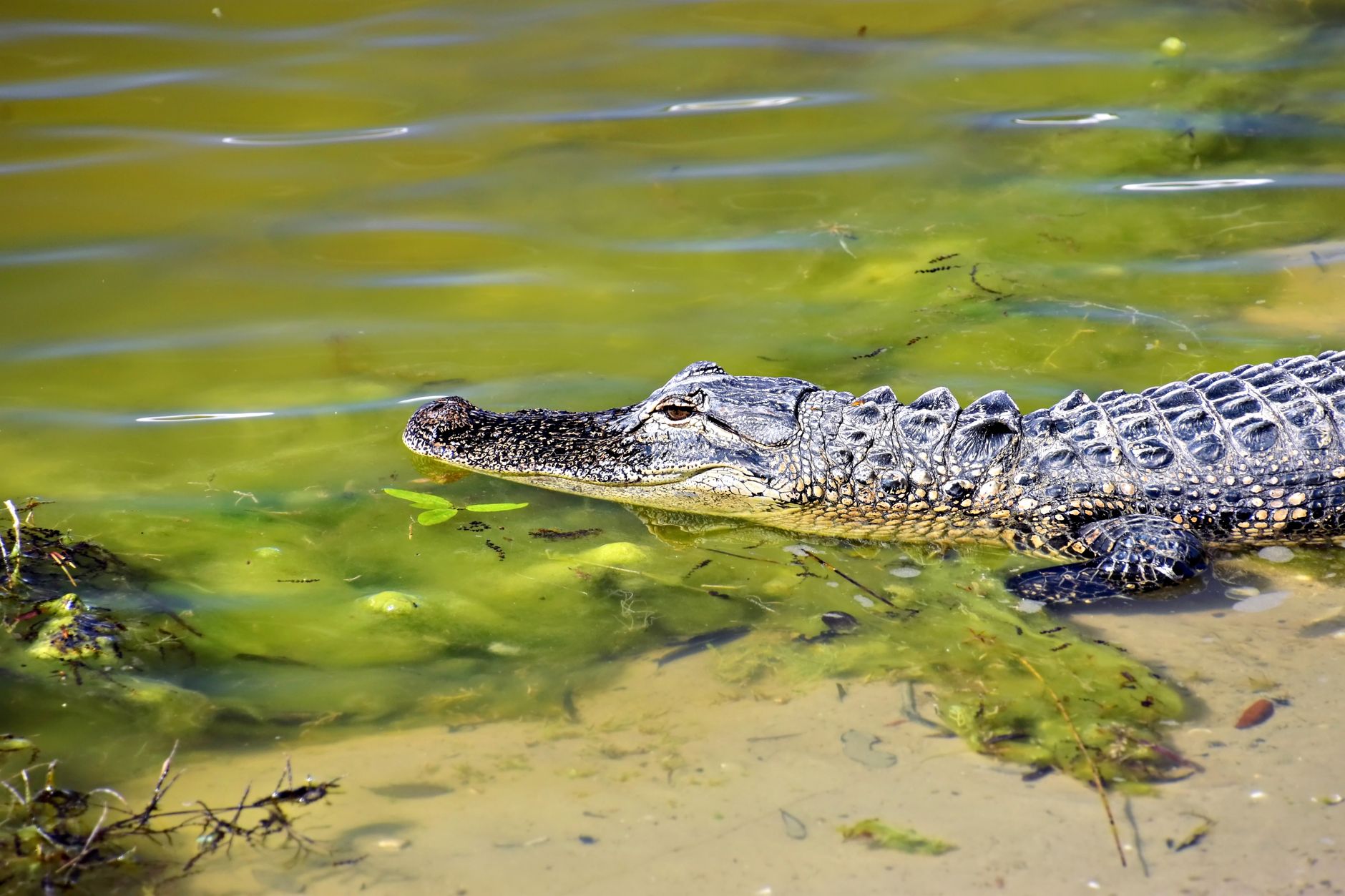
Introduction: Understanding the Apex Predators
The world of apex predators is filled with fascinating and sometimes frightening creatures. Among them, crocodiles and alligators stand out as formidable reptiles that have captured human imagination for centuries. Understanding the nuances of their behavior, habitat, and, most importantly, their interactions with humans is crucial to assessing the relative risk each species poses. This article delves into the question: Do alligators attack humans more than crocodiles? We will explore the factors influencing their attack rates, analyze relevant data, and debunk common misconceptions surrounding these powerful animals.
What colours are fish most attracted to?
Can you put your finger in a trout's mouth?
Is methylene blue anti bacterial?
Does aquarium salt raise pH in aquarium?
Geographical Distribution and Habitat

Understanding where these creatures live is crucial. Alligators are primarily found in the southeastern United States and a small part of China. Crocodiles, on the other hand, have a much wider distribution, inhabiting tropical regions across Africa, Asia, Australia, and the Americas.
- Alligators: Southeastern United States, small region in China.
- Crocodiles: Tropical regions worldwide (Africa, Asia, Australia, Americas).
This difference in geographical range plays a significant role in the frequency of human-wildlife interactions and, consequently, the number of attacks. Areas with higher human populations in close proximity to crocodile habitats tend to experience a greater number of incidents.
Behavioral Differences: Aggression and Territoriality
Key behavioral differences exist that influence the potential for aggression.
- Alligators: Generally more cautious and less likely to initiate attacks unless provoked. They are primarily ambush predators that prefer to avoid confrontation.
- Crocodiles: Often more aggressive and territorial, especially during breeding season. Some species, like the saltwater crocodile, are known for their proactive hunting behavior and willingness to attack larger prey, including humans.
These contrasting behavioral traits are vital in determining whether Do alligators attack humans more than crocodiles? The general consensus among herpetologists is that crocodile species display a greater propensity for aggression.
Attack Statistics and Case Studies
While reliable global statistics can be challenging to compile, available data suggests that crocodile attacks on humans are more frequent and often more deadly than alligator attacks.
| Feature | Alligators | Crocodiles |
|---|---|---|
| Attack Frequency | Relatively low | Higher |
| Fatality Rate | Lower | Higher |
| Common Circumstances | Provoked attacks, accidental encounters | Deliberate hunting, territorial defense |
Case studies from various regions support this data. In Australia, saltwater crocodiles are responsible for a significant number of attacks each year. In Africa, Nile crocodiles pose a similar threat. In contrast, alligator attacks in the United States, while they do occur, are relatively rare, and fatalities are even rarer. It’s therefore reasonable to state that in most regions, Do alligators attack humans more than crocodiles? The answer is overwhelmingly no.
Factors Influencing Attack Rates
Several factors can influence the likelihood of attacks by both alligators and crocodiles.
- Habitat Encroachment: As human populations expand, encroachment into alligator and crocodile habitats increases the risk of encounters.
- Feeding Habits: Intentional or unintentional feeding of these animals can lead to habituation and increased boldness around humans.
- Water Conditions: Murky water can reduce visibility and increase the chances of accidental encounters.
- Breeding Season: During breeding season, both alligators and crocodiles can become more territorial and aggressive.
Understanding these factors is crucial for implementing effective mitigation strategies and reducing the risk of human-wildlife conflict.
Mitigation and Safety Measures
Protecting yourself from alligator and crocodile attacks requires awareness and adherence to safety guidelines.
- Maintain a Safe Distance: Keep a respectful distance from alligators and crocodiles, especially when they are near water.
- Avoid Feeding: Never feed these animals, as it can lead to habituation and increased aggression.
- Be Aware of Surroundings: Pay attention to warning signs and be cautious when near water, especially at dawn and dusk.
- Supervise Children: Keep children under close supervision near water bodies known to harbor alligators or crocodiles.
- Report Problem Animals: Report any aggressive or nuisance animals to local wildlife authorities.
By following these precautions, you can significantly reduce your risk of encountering and being attacked by these powerful reptiles.
Conclusion: Assessing the Risk
While both alligators and crocodiles are capable of attacking humans, evidence suggests that crocodiles pose a greater threat. Their wider distribution, more aggressive behavior, and higher attack rates contribute to a greater risk. Understanding their behavior and taking appropriate precautions is crucial for minimizing the potential for conflict and ensuring human safety. Understanding the answer to Do alligators attack humans more than crocodiles? is crucial for conservation efforts and public education.
Frequently Asked Questions (FAQs)
What is the most dangerous crocodile species?
The saltwater crocodile (Crocodylus porosus) is widely considered to be the most dangerous crocodile species to humans. They are large, highly aggressive, and have been responsible for numerous fatal attacks. Their opportunistic feeding habits and territoriality make them a significant threat in their range.
Are alligator attacks always fatal?
No, alligator attacks are not always fatal. Many alligator attacks result in minor injuries. Fatal attacks are relatively rare, but they do occur, particularly when larger alligators are involved or when victims are small children or pets.
Which is bigger, an alligator or a crocodile?
Generally, crocodiles tend to be larger than alligators. While the size can vary depending on the species and individual, saltwater crocodiles are among the largest reptiles in the world, capable of reaching lengths of over 20 feet.
What should I do if an alligator or crocodile attacks me?
The best course of action is to fight back aggressively. Aim for sensitive areas like the eyes and snout. If possible, try to escape to higher ground or find a weapon to defend yourself. Do not play dead, as this may encourage the reptile to continue its attack.
Are there any places where alligators and crocodiles coexist?
Yes, the southern tip of Florida is the only place in the world where alligators and crocodiles coexist. American alligators and American crocodiles share the same habitat in this region, although their ranges overlap to a limited extent.
Why are crocodiles more aggressive than alligators?
Several factors contribute to the greater aggression of crocodiles. They tend to be more territorial, possess a stronger hunting drive, and are often less cautious around humans. Crocodiles also have a more developed bite force, making their attacks more damaging.
Do alligators attack pets more often than humans?
Unfortunately, alligators are more likely to attack pets than adult humans. Smaller animals are easier prey for alligators, and pets are often more vulnerable when near water bodies. It’s crucial to keep pets on a leash and away from alligator habitats.
Is it safe to swim in water with alligators or crocodiles?
Swimming in water known to be inhabited by alligators or crocodiles is generally not safe. While attacks are not always frequent, the risk is always present. It is best to avoid swimming in these areas or to take extra precautions.
How can I tell the difference between an alligator and a crocodile?
Several physical differences can help distinguish between alligators and crocodiles. Alligators have a wider, U-shaped snout, while crocodiles have a narrower, V-shaped snout. When an alligator closes its mouth, its lower teeth are hidden. When a crocodile closes its mouth, its fourth lower tooth is visible.
What time of year are alligators and crocodiles most dangerous?
Both alligators and crocodiles can be more dangerous during their respective breeding seasons. This is when they become more territorial and aggressive. Alligator breeding season typically occurs in the spring, while crocodile breeding seasons vary depending on the species and location.
Are there any laws protecting alligators and crocodiles?
Yes, alligators and crocodiles are often protected by laws and regulations. These laws vary depending on the region and species. Some species are listed as endangered or threatened, while others are managed through regulated hunting and trapping programs.
What is the role of alligators and crocodiles in the ecosystem?
Alligators and crocodiles are apex predators that play a crucial role in maintaining the balance of their ecosystems. They help control populations of other animals, create habitats for other species (e.g., alligator holes provide refuge during droughts), and contribute to nutrient cycling. Their presence is essential for the health and biodiversity of their environments.