

Do All Fish Smell the Same? The Science of Aquatic Aromas
The assumption that all fish smell alike is a common misconception. While a certain fishy odor is often associated with seafood, the reality is that the aroma of fish varies significantly based on species, freshness, habitat, and even diet. Do all fish smell the same? Definitely not, and understanding the nuances of these scents reveals a fascinating world of aquatic chemistry.
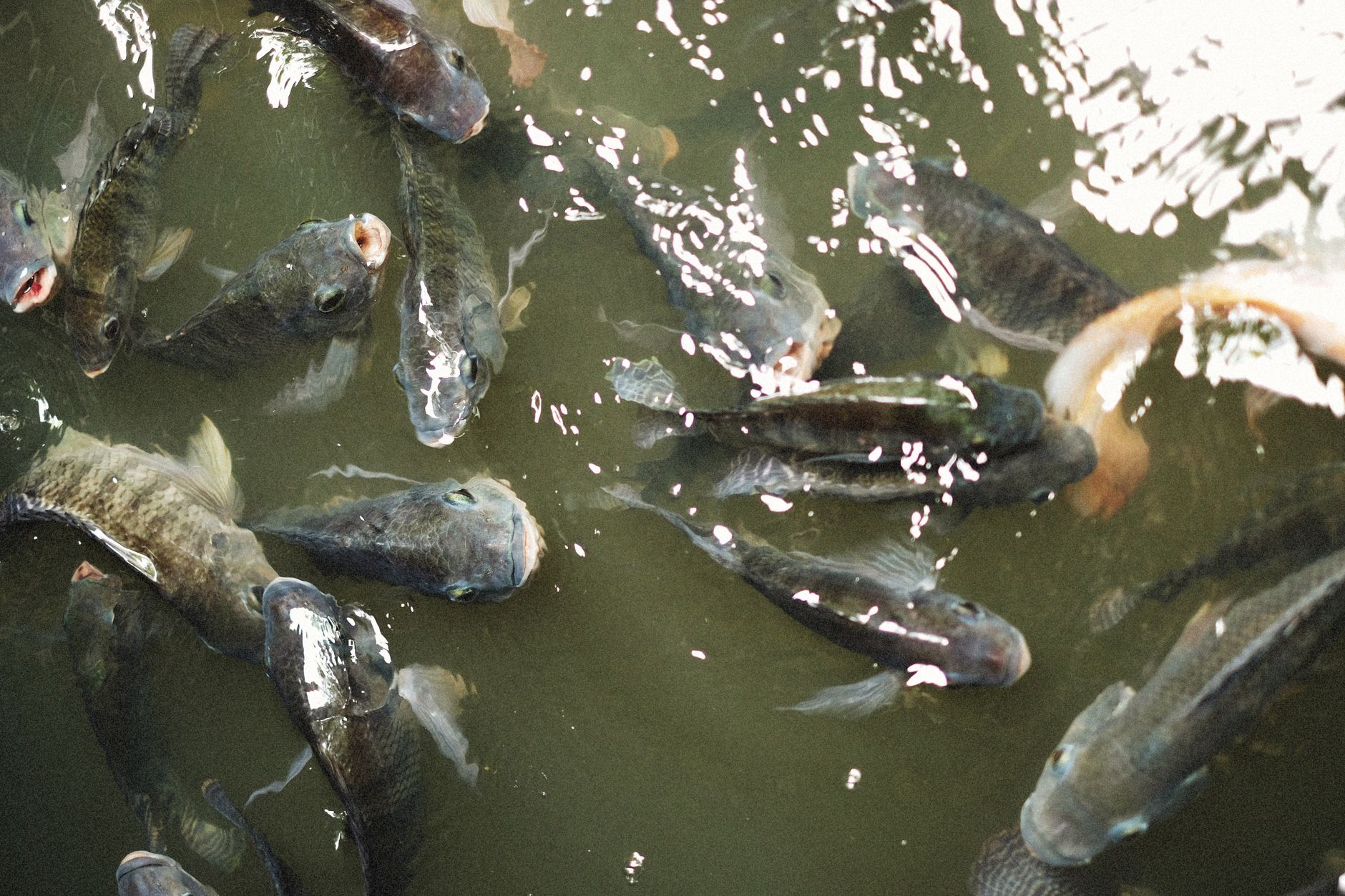
The Source of “Fishy” Odor: Trimethylamine Oxide (TMAO)
The primary compound responsible for the characteristic “fishy” smell is trimethylamine (TMA). TMA is produced by bacteria breaking down trimethylamine oxide (TMAO), a compound naturally present in fish tissue. TMAO helps fish regulate osmotic pressure in their saltwater environments.

Are fish heads good for the garden?
Can fish hear water?
What is cotton rot in fish?
What colours are fish most attracted to?
Freshness is Key: From Mild to Malodorous

Freshness drastically impacts a fish’s odor profile. A freshly caught fish should have a minimal or even slightly salty smell. As fish deteriorates, bacteria multiply, converting TMAO into TMA, leading to the increasingly pungent “fishy” odor we associate with spoilage.
Species Variation: A Spectrum of Scents
Different fish species contain varying levels of TMAO. Furthermore, their diets and metabolic processes influence the compounds they produce. This results in a diverse spectrum of scents among different types of fish. For example, oily fish like salmon and mackerel may have a stronger, more pronounced aroma than lean fish like cod or tilapia.
Habitat and Diet: Factors Influencing Aroma
The environment in which a fish lives significantly influences its scent. Fish from pristine waters tend to have a cleaner, less intense odor than those from polluted environments. Similarly, a fish’s diet contributes to its chemical composition and subsequent aroma. Fish that consume algae may have a different scent profile than those that eat crustaceans.
Minimizing Fishy Odor: Tips for Chefs and Consumers
- Buy fresh: Look for bright, clear eyes, firm flesh, and a minimal odor.
- Store properly: Keep fish refrigerated at or below 40°F (4°C).
- Use acid: Marinades with lemon juice or vinegar can help neutralize TMA.
- Rinse well: Washing fish with cold water can remove surface bacteria.
| Factor | Impact on Fish Odor |
|---|---|
| Species | Different TMAO levels & metabolic processes |
| Freshness | Bacterial breakdown increases TMA |
| Habitat | Pollution can influence odor |
| Diet | Influences chemical composition |
| Storage Method | Affects bacterial growth |
Frequently Asked Questions (FAQs)
What is TMAO and why is it important?
TMAO, or trimethylamine oxide, is a naturally occurring compound found in marine fish. Its primary function is osmoregulation, helping fish maintain proper fluid balance in saltwater environments. The breakdown of TMAO by bacteria is what leads to the development of the “fishy” smell.
Why do some fish smell stronger than others?
The strength of a fish’s odor depends on several factors, including its species, the amount of TMAO present, its freshness, and its diet. Oily fish like salmon tend to have a stronger smell than lean fish due to their higher fat content and different metabolic processes.
Is a strong fishy smell always a sign of spoilage?
Yes, a strong, ammonia-like odor is generally a sign that the fish is no longer fresh and is undergoing bacterial decomposition. Fresh fish should have a minimal or slightly salty smell.
Can cooking methods affect the smell of fish?
Yes, certain cooking methods can intensify or reduce the fishy odor. High-heat cooking methods, such as grilling or frying, can sometimes amplify the smell. Steaming or poaching tends to produce a milder aroma.
How can I reduce the fishy smell when cooking fish?
Several techniques can help minimize fishy odors. These include marinating the fish in acidic solutions like lemon juice or vinegar, rinsing it thoroughly with cold water, and ensuring proper ventilation while cooking.
Do freshwater fish smell the same as saltwater fish?
While freshwater fish can still develop a “fishy” smell, they typically contain lower levels of TMAO compared to saltwater fish. Therefore, they often have a milder odor.
Does freezing fish affect its smell?
Freezing can slow down bacterial growth, which helps preserve the freshness and reduce the development of a strong odor. However, improper freezing or thawing can damage the fish’s texture and potentially increase the rate of spoilage once thawed.
Are there any fish that don’t smell at all?
While it’s rare for fish to be completely odorless, extremely fresh fish from pristine waters may have a very subtle or almost nonexistent aroma. This depends heavily on the species and environmental conditions.
Does the diet of a fish influence its odor?
Yes, a fish’s diet plays a role in its overall aroma. Fish that consume algae or specific types of plankton may have a slightly different scent profile than those that primarily eat other fish or crustaceans.
Why does fish sometimes smell like ammonia?
The ammonia smell is a strong indicator of spoilage. It is caused by the further breakdown of TMA by bacteria, resulting in the release of ammonia compounds.
Is it safe to eat fish that has a slightly fishy smell?
It is generally safe to eat fish that has a very mild, slightly salty or briny smell, especially if it is otherwise firm and appears fresh. However, if the fish has a strong, unpleasant, or ammonia-like odor, it is best to discard it.
Can you get used to the smell of fish and not notice when it’s gone bad?
Yes, olfactory fatigue can occur, meaning that prolonged exposure to a smell can desensitize your nose to it. It is important to rely on other indicators of freshness, such as the appearance and texture of the fish, in addition to its smell. Therefore, when considering Do all fish smell the same? olfactory fatigue can be a cause for overlooking decomposition.