
Do Adult Cats Fight with Kittens?: Understanding Feline Dynamics
It’s a misconception that adult cats always welcome kittens with open paws. While some introductions go smoothly, adult cats can and sometimes do fight with kittens due to territoriality, resource guarding, and differences in social behavior.
Why the Potential for Conflict Exists
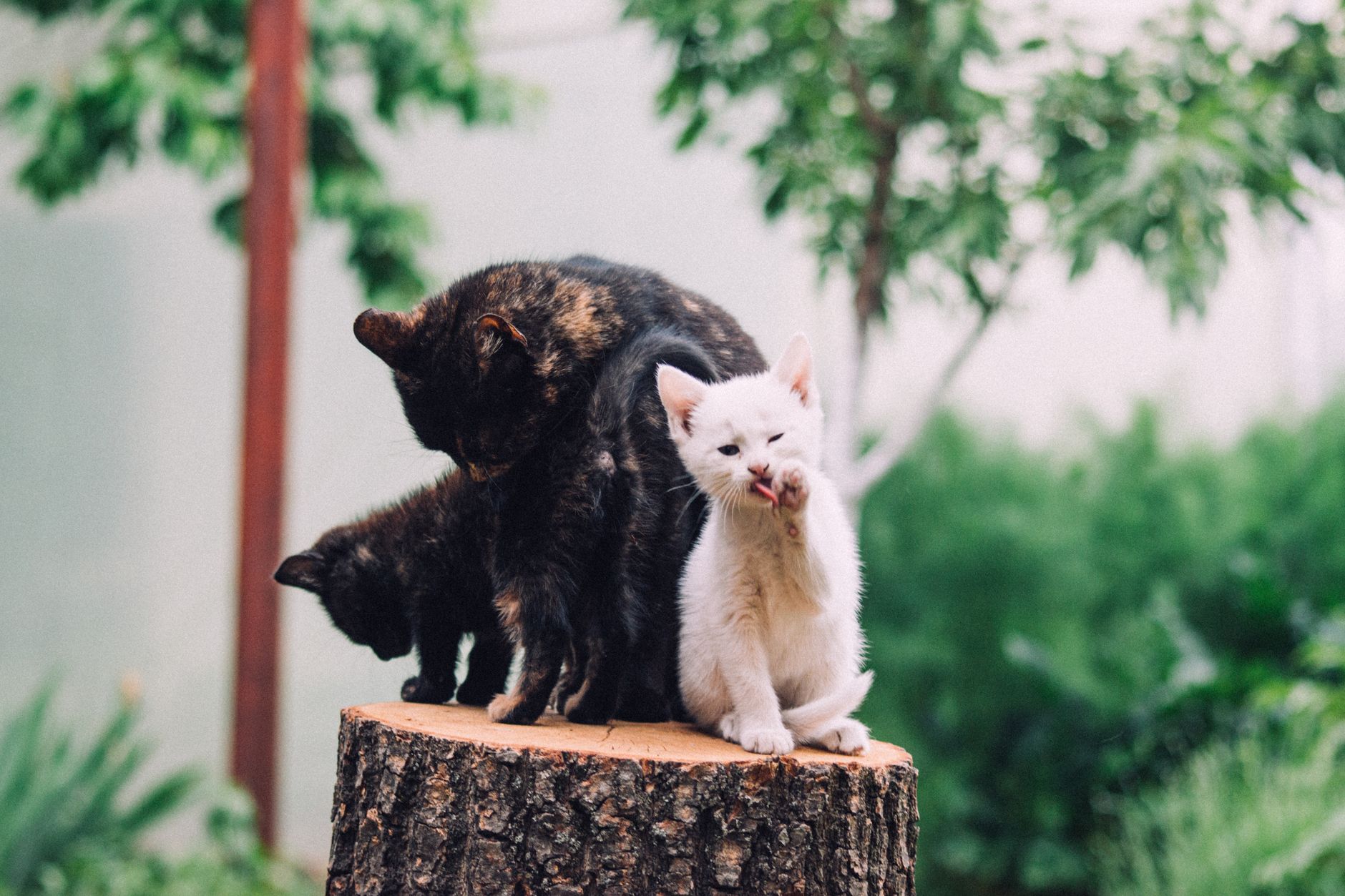
The notion of instant feline friendship between an adult cat and a new kitten is often a hopeful fantasy rather than reality. Understanding the inherent reasons for possible conflict is crucial for a successful introduction. Cats are, by nature, territorial animals, and introducing a new member to their established domain can trigger a range of defensive and competitive behaviors.

What colours are fish most attracted to?
Can you put your finger in a trout's mouth?
Is methylene blue anti bacterial?
Does aquarium salt raise pH in aquarium?
Territoriality and Resource Guarding

Cats perceive their environment as their territory, marking it with scent through scratching and spraying. An adult cat, especially one who has lived alone or with a small group for a long time, views a kitten as a potential intruder and competitor for valuable resources. These resources include:
- Food bowls
- Water sources
- Litter boxes
- Scratching posts
- Favorite resting spots
- Human attention
The adult cat may exhibit aggression towards the kitten to establish dominance and protect these perceived rights. This aggression can manifest as hissing, growling, swatting, chasing, and, in extreme cases, biting.
Differences in Social Communication
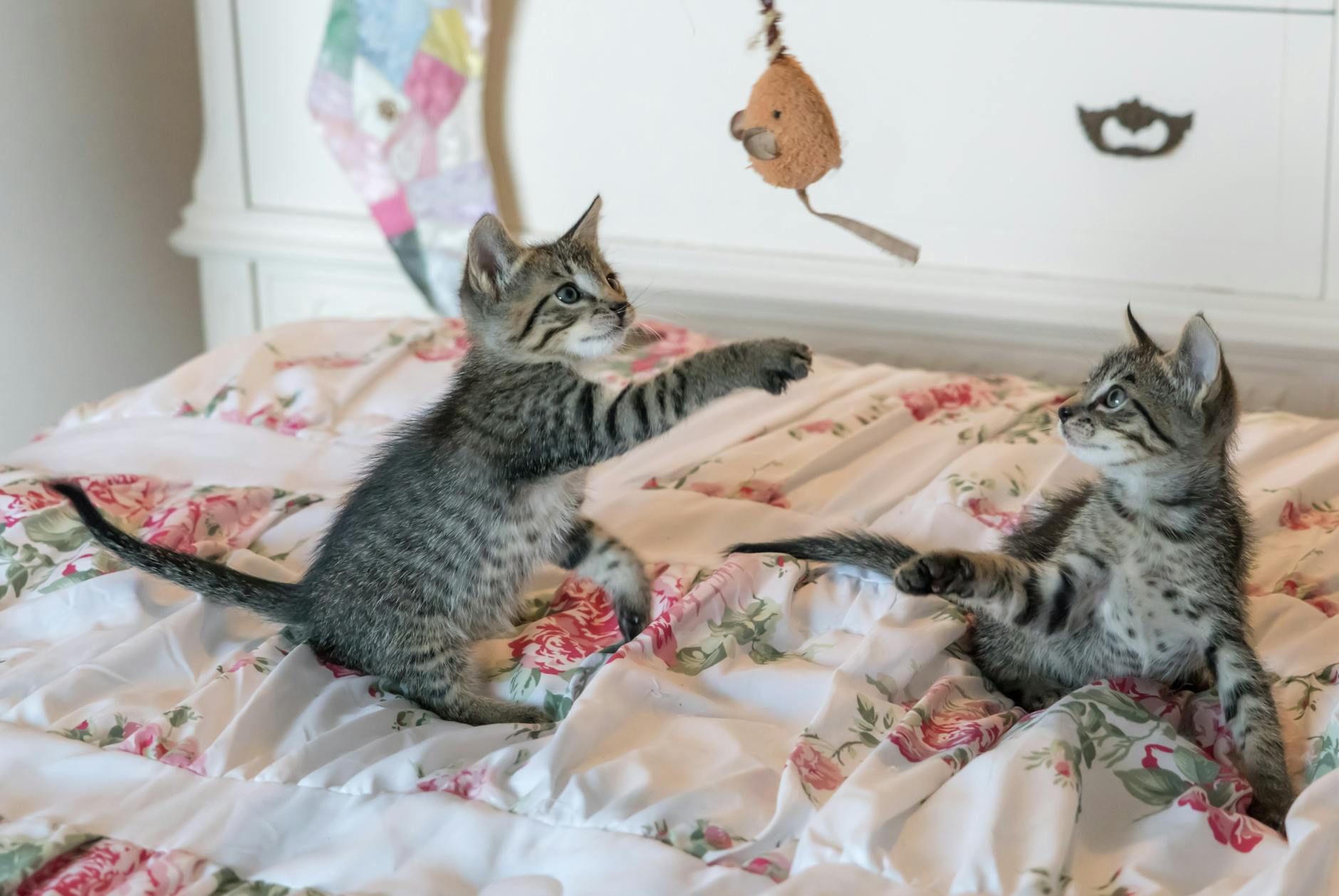
Adult cats and kittens communicate differently. Kittens are often playful and energetic, approaching interactions with a boisterous enthusiasm that can be overwhelming and irritating to a more sedate adult cat.
- Kittens: Engage in constant play, chase, and pounce. They are still learning social boundaries.
- Adult Cats: Prefer quieter, more predictable interactions. They value their personal space and may not appreciate a kitten’s incessant need for play.
These differing social styles can lead to misunderstandings and escalating tension, resulting in the adult cat reacting defensively to the kitten’s perceived intrusion or annoying behavior.
The Importance of Slow and Gradual Introductions
The key to minimizing conflict when introducing a kitten to an adult cat is a slow, gradual approach. Rushing the process can lead to fear, stress, and lasting animosity between the cats.
The ideal process includes these steps:
-
Scent Exchange: Allow the cats to exchange scents before meeting face-to-face. This can be achieved by swapping bedding or rubbing a cloth on each cat and placing it near the other’s sleeping area.
-
Visual Introduction: Permit brief, supervised visual contact through a barrier like a baby gate or closed door. This allows them to assess each other without direct interaction.
-
Gradual Supervised Meetings: Allow short, supervised meetings in a neutral space. Closely monitor their body language and intervene if aggression occurs. Use positive reinforcement (treats, praise) to reward calm behavior.
-
Increasing Interaction Time: Gradually increase the length and frequency of supervised meetings as the cats become more comfortable.
-
Unsupervised Access: Once they are consistently displaying positive or neutral behavior, allow them limited unsupervised access to each other.
-
Full Integration: Eventually, grant them full, unsupervised access to the entire house.
Preventing and Managing Conflict
Even with a careful introduction, some conflict may still arise. Here are some strategies for preventing and managing issues:
- Provide Ample Resources: Ensure that each cat has its own food and water bowls, litter boxes, scratching posts, and resting areas. Having enough resources can reduce competition and territoriality.
- Enrichment: Offer plenty of environmental enrichment to keep both cats stimulated and entertained. This can include toys, climbing structures, and puzzle feeders.
- Safe Spaces: Provide each cat with a safe space where they can retreat if they feel overwhelmed. This could be a high perch, a cat tree, or a quiet room.
- Pheromone Diffusers: Consider using feline pheromone diffusers, such as Feliway, to create a calming environment and reduce stress.
- Professional Help: If the conflict is severe or persistent, consult with a veterinarian or a certified feline behaviorist. They can provide tailored advice and identify any underlying medical or behavioral issues.
Understanding Cat Body Language
Accurately interpreting feline body language is crucial for detecting and addressing potential conflict early on.
| Body Language | Potential Meaning |
|---|---|
| Hissing | “Stay away from me!” |
| Growling | “I’m warning you!” |
| Swatting | A physical attempt to create distance. |
| Staring | A challenge; often precedes aggressive behavior. |
| Flattened Ears | Fear, anxiety, or aggression. |
| Puffed Tail | Fear or aggression; trying to appear larger. |
| Dilated Pupils | Fear, excitement, or aggression. |
| Tail Twitching | Irritation or frustration. |
By paying close attention to these cues, you can intervene before conflict escalates and help your cats establish a harmonious relationship.
Frequently Asked Questions
What are the signs that an adult cat is not accepting a kitten?
Signs that an adult cat is rejecting a kitten include persistent hissing, growling, swatting, chasing, blocking the kitten’s access to resources, and general avoidance. These behaviors indicate a lack of comfort and can escalate to physical altercations.
Is it always a bad sign if an adult cat hisses at a kitten?
Not necessarily. Hissing is a common form of feline communication and can be a way for the adult cat to establish boundaries. However, persistent hissing accompanied by other aggressive behaviors is a cause for concern and requires intervention.
How long does it usually take for an adult cat to accept a kitten?
The time it takes for an adult cat to accept a kitten varies greatly depending on their individual personalities and prior experiences. Some cats may accept a kitten within a few days, while others may take several weeks or even months. Patience and a gradual introduction are essential.
What if the adult cat is actually injuring the kitten?
If the adult cat is inflicting injuries on the kitten, immediately separate them and seek professional help from a veterinarian or a certified feline behaviorist. This situation is dangerous and requires expert intervention.
Should I try to force the cats to interact with each other?
No, forcing interactions can increase stress and worsen the relationship. Let the cats progress at their own pace and avoid any situations where they feel pressured or cornered. Forcing interaction will likely lead to more aggression and fear.
Does the sex or age of the adult cat matter?
Yes, it can. Younger adult cats may be more tolerant of kittens than older cats. Male cats may also be more likely to display dominance aggression towards a new kitten, regardless of sex, while a previously socialized female might accept a kitten more easily.
What role does scent play in cat introductions?
Scent is crucial in feline communication. Cats rely heavily on scent to identify and assess their environment and other individuals. Exchanging scents before a face-to-face meeting can help familiarize the cats with each other’s presence and reduce anxiety.
Can I use treats to help the cats get along?
Yes, positive reinforcement can be a valuable tool. Offer treats or praise when the cats are in the same room and displaying calm behavior. Treats can help create positive associations with each other.
What is Feliway and how does it work?
Feliway is a synthetic version of a feline facial pheromone that cats release when they feel safe and secure. Using Feliway diffusers can help create a calming environment and reduce stress during the introduction process.
What should I do if the adult cat starts spraying after the kitten arrives?
Spraying can be a sign of stress and territorial marking. Ensure the adult cat has plenty of resources, and consider using a pheromone diffuser. If the spraying persists, consult with a veterinarian to rule out any underlying medical issues.
How can I tell if the cats are just playing or actually fighting?
Playful fighting typically involves chasing, pouncing, and wrestling, with relaxed body language and retracted claws. Real fighting is characterized by hissing, growling, swatting with extended claws, and tense body posture. Distinguish playful behavior from aggressive fighting by observing body language.
Is it possible for an adult cat to never accept a kitten?
While it’s rare, some adult cats may never fully accept a kitten, even with a careful introduction. In these cases, the goal becomes to manage the environment to minimize conflict and ensure each cat has its own safe space and resources.