

Did Humans Ever Ride Elephants? Unveiling a Historical Partnership
Yes, humans have ridden elephants throughout history, primarily for warfare, labor, and ceremonial purposes. This article delves into the long and complex relationship between humans and elephants, exploring the motivations, methods, and cultural significance of riding these magnificent creatures.
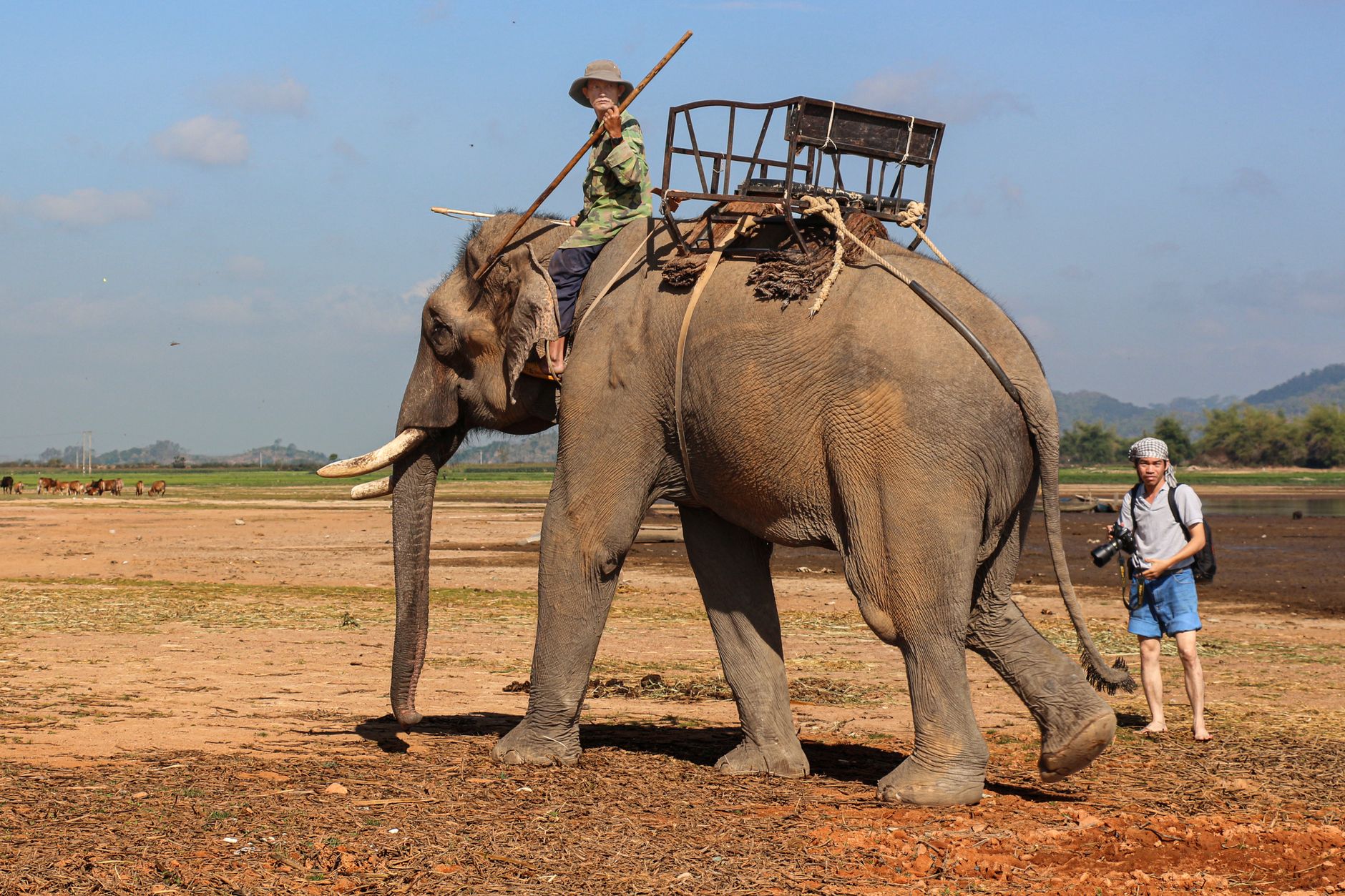
The Historical Tapestry of Elephant Riding
The practice of riding elephants is deeply interwoven with the history of several cultures, particularly in South Asia and Southeast Asia. Understanding the origins and evolution of this practice provides crucial context.
- Ancient Origins: Evidence suggests that the practice of training and riding elephants dates back thousands of years. Early mentions appear in ancient Indian texts and archaeological findings.
- Geographic Distribution: Elephant riding was most prevalent in regions with large elephant populations, including India, Thailand, Vietnam, Laos, and Myanmar.
- Varying Purposes: Elephants were ridden for various reasons, ranging from transportation and agriculture to warfare and royal processions.
- Cultural Significance: Elephants held significant cultural and religious importance in many societies, often viewed as symbols of power, wisdom, and good fortune. Riding them further amplified these associations.

What colours are fish most attracted to?
Can you put your finger in a trout's mouth?
Is methylene blue anti bacterial?
Does aquarium salt raise pH in aquarium?
War Elephants: A Force to be Reckoned With

One of the most historically significant applications of elephant riding was in warfare. War elephants played a crucial role in many ancient armies, instilling fear in the enemy and providing a strategic advantage.
- Psychological Impact: The sheer size and power of war elephants could demoralize enemy soldiers. Their presence on the battlefield often caused panic and disarray.
- Offensive Capabilities: Elephants were used to trample enemy infantry, break through enemy lines, and disrupt formations. They could also carry archers or other warriors on their backs, providing a mobile platform for attack.
- Defensive Advantages: The height advantage afforded to riders on elephants allowed them to survey the battlefield and direct troops more effectively. The elephants themselves also provided a degree of protection.
- Limitations: War elephants were not invincible. They were vulnerable to fire, pitfalls, and coordinated attacks from specialized troops. Their effectiveness could also be hampered by difficult terrain.
Labor and Transportation: Elephants as Beasts of Burden
Beyond warfare, elephants played a vital role in labor and transportation, particularly in regions with challenging terrain.
- Logging: Elephants were used to haul heavy logs in forests, a task that was difficult or impossible for other animals or machines.
- Agriculture: They were employed in plowing fields, transporting crops, and other agricultural tasks.
- Transportation: Elephants provided a means of transportation for people and goods, particularly in areas with poor roads or dense vegetation.
- Construction: Elephants assisted in construction projects by moving heavy materials and clearing land.
Royal and Ceremonial Uses: Symbols of Status and Power
Riding elephants was also associated with royalty and ceremony, serving as a symbol of status and power.
- Royal Processions: Kings and other high-ranking officials often rode elephants in grand processions, showcasing their wealth and authority.
- Religious Ceremonies: Elephants played a role in religious ceremonies, often adorned with elaborate decorations and carrying religious figures or objects.
- Diplomatic Gifts: Elephants were sometimes presented as diplomatic gifts between rulers, symbolizing goodwill and strengthening alliances.
- Hunting: Royalty sometimes used elephants for hunting large game.
Training and Equipment: Mastering the Art of Elephant Riding
The practice of riding elephants required specialized training and equipment.
- Training Process: Training elephants to be ridden typically began at a young age and involved a combination of positive reinforcement, discipline, and patience.
- Equipment: Various types of equipment were used to control and ride elephants, including ankuses (a hook used to guide the elephant), howdahs (seats or platforms placed on the elephant’s back), and ropes or chains.
- Mahouts: Skilled elephant handlers, known as mahouts, were responsible for training, caring for, and riding elephants. They developed a close bond with their elephants and possessed extensive knowledge of their behavior.
Modern Considerations: Ethics and Conservation
In modern times, the practice of riding elephants raises ethical and conservation concerns.
- Animal Welfare: Concerns have been raised about the welfare of elephants used for riding, particularly regarding the training methods and living conditions.
- Conservation Efforts: The conservation of elephant populations is a critical issue, and the use of elephants for riding can sometimes conflict with conservation goals.
- Ethical Tourism: Efforts are being made to promote ethical tourism practices that prioritize the well-being of elephants and support conservation efforts. This often involves interacting with elephants in their natural habitat without riding them.
Frequently Asked Questions About Humans Riding Elephants
What is a mahout, and what is their role in elephant riding?
A mahout is an elephant handler or keeper, typically responsible for training, caring for, and riding elephants. They develop a close, lifelong bond with their elephant and possess extensive knowledge of elephant behavior. Historically, mahouts were integral to all aspects of elephant utilization, from warfare to logging.
What type of equipment was typically used when riding elephants?
Equipment used for riding elephants varied depending on the purpose and culture, but commonly included the ankus (a metal hook used for guiding the elephant), the howdah (a seat or platform placed on the elephant’s back), and ropes or chains for control. More elaborate howdahs were often adorned with precious metals and jewels, signifying the rider’s status.
Were elephants only ridden in Asia?
While the practice was most prevalent in South Asia and Southeast Asia, there is evidence that elephants were also used in warfare in North Africa by the Carthaginians. The most famous example of this is Hannibal’s crossing of the Alps with war elephants.
What were the advantages of using elephants in warfare?
Elephants in warfare offered several advantages, including their sheer size and strength, which could intimidate and trample enemy soldiers. They provided a high vantage point for riders, disrupted enemy formations, and could carry archers or other warriors. The psychological impact on the enemy was significant.
What were the disadvantages of using elephants in warfare?
Elephants could be vulnerable to fire, pits, and coordinated attacks. Their effectiveness was limited by terrain, and a wounded or panicked elephant could be just as dangerous to its own side. Training and maintaining a war elephant was also incredibly expensive.
How long does it take to train an elephant to be ridden?
The training process can take several years, beginning at a young age. It requires patience, consistency, and a deep understanding of elephant behavior. Building trust between the elephant and the mahout is crucial for success.
What are some of the ethical concerns surrounding elephant riding today?
Ethical concerns primarily focus on the well-being of the elephants. Traditional training methods can be harsh, and elephants in tourist attractions may be overworked or kept in inadequate conditions. Responsible tourism practices prioritize the animal’s welfare and natural behaviors.
What is ethical elephant tourism?
Ethical elephant tourism focuses on observation and interaction with elephants in their natural habitat, promoting conservation efforts and ensuring the animals are treated with respect. This often involves visiting sanctuaries where elephants are rescued and allowed to roam freely, without being forced to perform or carry tourists.
Did humans ever ride elephants in the United States?
While elephants were sometimes brought to the United States for circuses and exhibitions, there is no historical record of humans riding elephants for practical purposes like transportation or labor in the US.
Are there any alternatives to riding elephants for tourists?
Yes, several alternatives allow tourists to experience elephants responsibly. These include observing them in sanctuaries, participating in feeding programs (under supervision), and learning about elephant behavior and conservation from experts.
What role did elephants play in ancient Indian culture?
Elephants held a prominent place in ancient Indian culture, symbolizing power, prosperity, and wisdom. They were used in warfare, royal processions, and religious ceremonies, and were often revered as sacred animals. The god Ganesha, with his elephant head, is a significant figure in Hinduism.
How has the role of elephants in human society changed over time?
The role of elephants has shifted from practical uses such as warfare and labor to primarily tourism and conservation. While some traditional practices persist, there is a growing awareness of the ethical implications of using elephants for human entertainment and labor. Conservation efforts are increasingly focused on protecting elephant populations and their natural habitats.