

Did Humans Cause an Extinction? Understanding Our Impact on the Planet
The evidence overwhelmingly suggests that yes, humans are directly responsible for an ongoing mass extinction event, known as the Holocene extinction, significantly impacting biodiversity worldwide. This article explores the causes, consequences, and potential mitigation strategies for this critical issue.
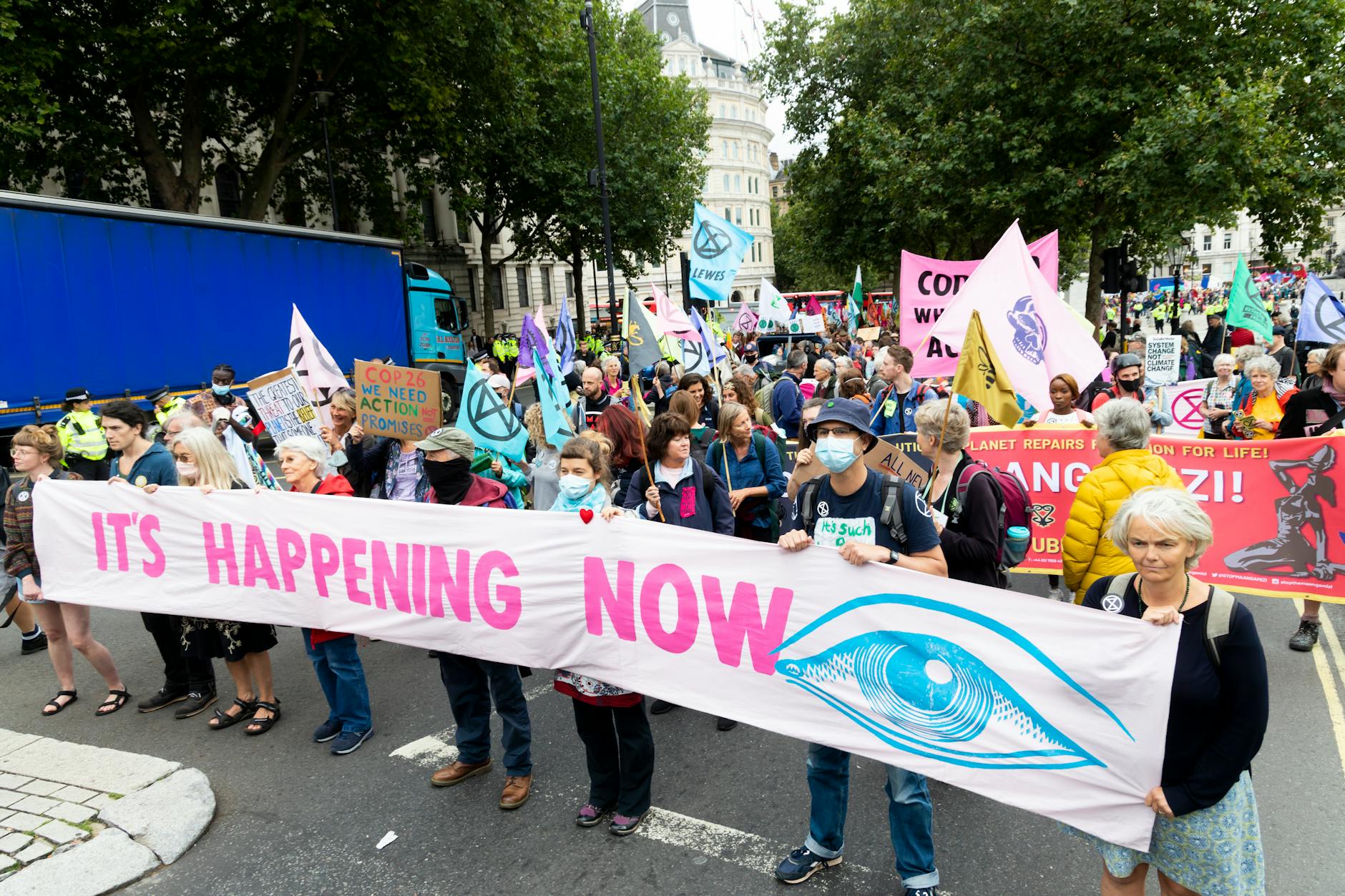
The Holocene Extinction: An Overview
The Holocene extinction, also known as the sixth mass extinction, differs from previous extinction events in that it’s primarily driven by a single species: Homo sapiens. Unlike natural disasters or climate shifts that caused past extinctions, human activities such as habitat destruction, overexploitation of resources, pollution, and the introduction of invasive species are the main culprits. The rate of species loss is estimated to be far higher than the background extinction rate, the natural rate at which species disappear. Some studies suggest it could be 1,000 to 10,000 times higher.

What colours are fish most attracted to?
Can you put your finger in a trout's mouth?
Is methylene blue anti bacterial?
Does aquarium salt raise pH in aquarium?
Key Drivers of Human-Induced Extinction

Several factors contribute to the human-caused extinction crisis:
-
Habitat Destruction: This is perhaps the most significant driver. As human populations grow, forests are cleared for agriculture, urbanization, and resource extraction. This loss of habitat leaves many species with nowhere to live, directly leading to population decline and extinction.
-
Overexploitation: Overhunting, overfishing, and overharvesting of other resources deplete populations faster than they can replenish. Iconic examples include the near-extinction of bison in North America and the ongoing crisis of overfishing in the world’s oceans.
-
Pollution: Chemical pollutants, plastics, and other forms of pollution contaminate ecosystems, harming or killing wildlife. Even subtle changes in environmental conditions can have devastating effects on sensitive species.
-
Climate Change: Driven by greenhouse gas emissions, climate change is altering habitats, shifting ecosystems, and exacerbating other threats. Many species struggle to adapt to these rapid changes, leading to population declines and extinctions.
-
Invasive Species: The introduction of non-native species can disrupt ecosystems, outcompete native species, and spread diseases. Invasive species are a major threat to biodiversity, particularly on islands and in isolated ecosystems.
The Consequences of Extinction
The loss of biodiversity has far-reaching consequences for ecosystems and human well-being:
-
Ecosystem Instability: Each species plays a role in its ecosystem. The loss of even a single species can trigger a cascade of effects, disrupting food webs and ecosystem functions.
-
Reduced Ecosystem Services: Ecosystems provide essential services such as pollination, water purification, and climate regulation. Biodiversity loss can impair these services, making ecosystems less resilient and less able to support human needs.
-
Economic Impacts: Many industries, such as agriculture, fisheries, and tourism, rely on healthy ecosystems and biodiversity. Extinction can have significant economic consequences.
-
Ethical Considerations: Many people believe that we have a moral obligation to protect biodiversity. The loss of species represents an irreplaceable loss of natural heritage.
Measuring Extinction Rates and Assessing the Damage
Scientists use various methods to estimate extinction rates and assess the extent of biodiversity loss:
-
Fossil Record Analysis: By studying fossils, scientists can estimate the background extinction rate and compare it to current extinction rates.
-
Species Distribution Modeling: Using data on species distributions and habitat conditions, scientists can predict how species will be affected by future environmental changes.
-
Red List Assessments: The International Union for Conservation of Nature (IUCN) Red List is a comprehensive assessment of the conservation status of species worldwide. It provides valuable data on extinction risk and trends.
-
Monitoring Programs: Long-term monitoring programs track populations of key species and assess changes in biodiversity over time.
Mitigation Strategies: What Can Be Done?
Addressing the human-caused extinction crisis requires a multi-faceted approach:
-
Conservation Efforts: Protecting and restoring habitats, combating poaching, and managing invasive species are essential for conserving biodiversity.
-
Sustainable Resource Management: Adopting sustainable practices in agriculture, fisheries, and forestry can reduce the impact of human activities on ecosystems.
-
Pollution Reduction: Reducing pollution from industry, agriculture, and other sources can improve environmental conditions and protect wildlife.
-
Climate Change Mitigation: Reducing greenhouse gas emissions is crucial for mitigating climate change and protecting species from its effects.
-
Raising Awareness and Education: Educating the public about the importance of biodiversity and the threats it faces can inspire action and support for conservation efforts.
| Strategy | Description | Benefits | Challenges |
|---|---|---|---|
| Habitat Protection | Establishing protected areas and conserving natural habitats. | Preserves biodiversity, protects ecosystem services, provides opportunities for recreation and education. | Requires significant resources, can be difficult to enforce, may conflict with economic development. |
| Sustainable Resource Management | Managing resources in a way that meets current needs without compromising future needs. | Reduces environmental impact, promotes economic sustainability, ensures long-term availability of resources. | Requires changes in practices, can be resisted by industries, may require regulations and enforcement. |
| Pollution Reduction | Reducing pollution from industry, agriculture, and other sources. | Improves environmental quality, protects human health, reduces the impact of pollution on wildlife. | Requires investment in cleaner technologies, can be costly, may face political opposition. |
| Climate Change Mitigation | Reducing greenhouse gas emissions to slow and reverse climate change. | Stabilizes the climate, reduces the impact of climate change on ecosystems and human societies. | Requires global cooperation, can be costly, may require significant changes in energy production and consumption. |
Frequently Asked Questions (FAQs)
What is the Holocene Extinction and why is it different from other extinctions?
The Holocene extinction, also called the sixth mass extinction, is the current ongoing extinction event caused primarily by human activities. It differs from previous mass extinctions, which were driven by natural events like asteroid impacts or volcanic eruptions, because it’s primarily anthropogenic, meaning caused by humans.
How fast are species going extinct compared to historical rates?
Current extinction rates are estimated to be 1,000 to 10,000 times higher than the background extinction rate, which is the natural rate at which species disappear. This means that species are going extinct at an alarmingly rapid pace.
What are the main human activities driving species extinctions?
The main human activities driving extinctions include habitat destruction, overexploitation of resources (such as overfishing and hunting), pollution, climate change, and the introduction of invasive species. These activities disrupt ecosystems and make it difficult for species to survive.
How does habitat destruction lead to extinction?
Habitat destruction removes the places where species live, find food, and reproduce. As forests are cleared for agriculture and urbanization, many species lose their homes and are unable to survive, directly leading to population declines and extinction.
What is overexploitation and how does it contribute to extinction?
Overexploitation refers to the unsustainable harvesting of resources, such as overfishing, overhunting, and over-logging. When resources are harvested faster than they can replenish, populations decline, and species can be driven to extinction.
How does pollution affect biodiversity?
Pollution, including chemical pollutants, plastic waste, and other forms of contamination, can harm or kill wildlife, damage habitats, and disrupt ecosystems. Even small changes in environmental conditions caused by pollution can have devastating effects on sensitive species.
What role does climate change play in species extinctions?
Climate change is altering habitats, shifting ecosystems, and exacerbating other threats. Many species struggle to adapt to these rapid changes in temperature, precipitation, and other environmental factors, leading to population declines and increased extinction risk.
What are invasive species and why are they a problem?
Invasive species are non-native species that are introduced to an ecosystem and cause harm to native species. They can outcompete native species for resources, spread diseases, and disrupt ecosystem functions, leading to declines in native populations.
What are the consequences of losing biodiversity?
The loss of biodiversity has far-reaching consequences for ecosystems and human well-being, including ecosystem instability, reduced ecosystem services (such as pollination and water purification), economic impacts, and ethical considerations.
What are some examples of species that have gone extinct due to human activities?
Many species have gone extinct due to human activities. Examples include the Dodo bird, the Passenger Pigeon, and the Tasmanian Tiger. Countless others are currently on the brink of extinction due to human impact.
What can individuals do to help prevent species extinctions?
Individuals can help by reducing their consumption, supporting sustainable businesses, advocating for conservation policies, reducing their carbon footprint, and educating themselves and others about the importance of biodiversity.
What are scientists and conservation organizations doing to combat the extinction crisis?
Scientists and conservation organizations are working to protect habitats, combat poaching, manage invasive species, reduce pollution, mitigate climate change, and raise awareness about the importance of biodiversity. They also conduct research to better understand the threats facing species and develop effective conservation strategies.