
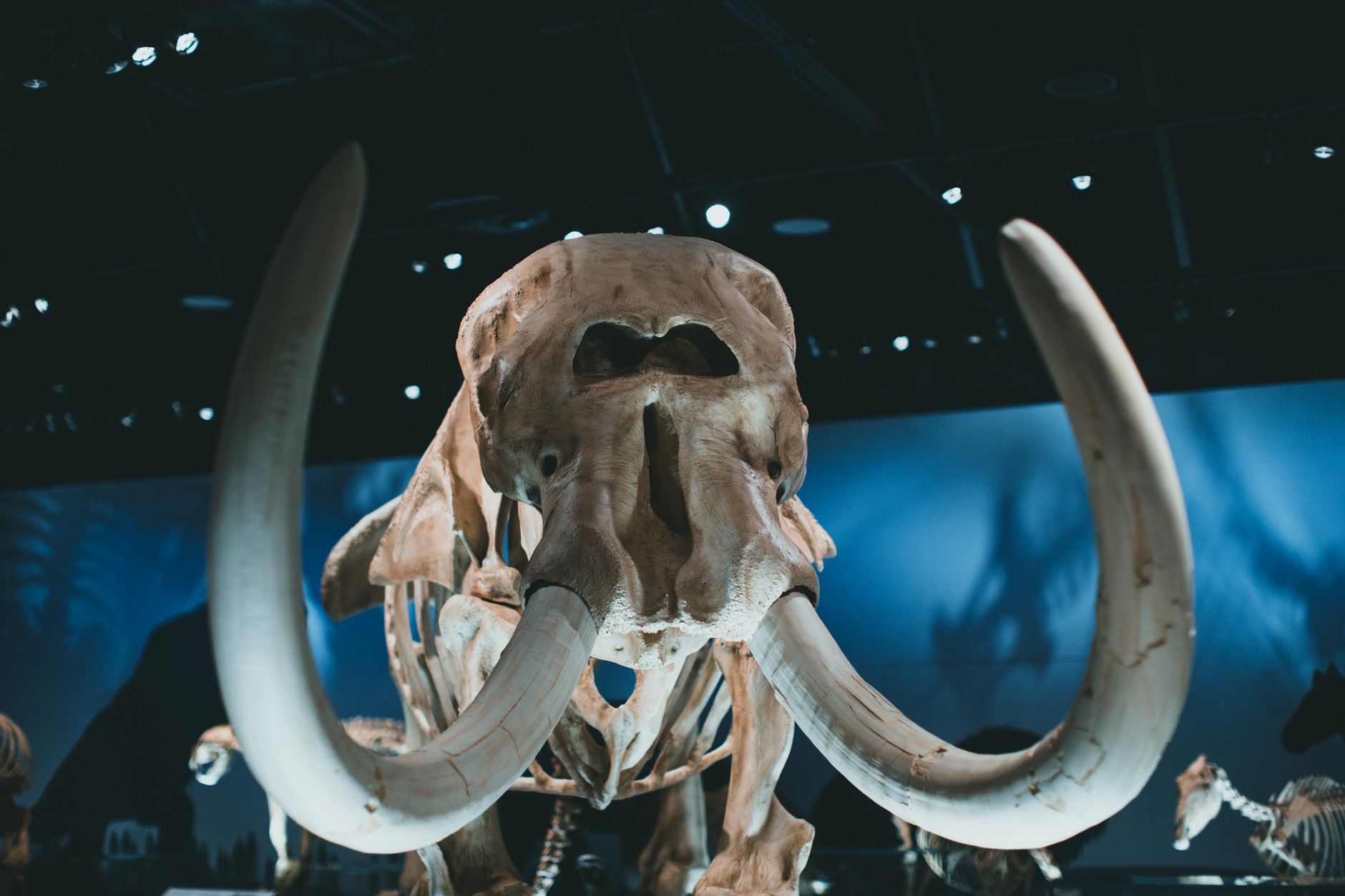
Could Mammoths Survive Now?
While technically possible, the chances of mammoths thriving in the modern world are slim. Habitat loss, climate change, and human interaction pose significant challenges, rendering long-term survival highly improbable.

A Woolly Legacy: Setting the Stage
The image of woolly mammoths, lumbering giants adapted to the frigid landscapes of the Pleistocene epoch, continues to capture our imagination. These magnificent creatures, closely related to modern elephants, roamed across vast stretches of North America, Europe, and Asia before their extinction approximately 4,000 years ago. As scientists explore the possibility of de-extinction, a crucial question arises: Could mammoths survive now, even if brought back from the brink? Understanding the factors contributing to their demise and the dramatic environmental shifts that have occurred since is paramount.

What colours are fish most attracted to?
Can you put your finger in a trout's mouth?
Is methylene blue anti bacterial?
Does aquarium salt raise pH in aquarium?
The Mammoth’s Ecological Niche: A Cold-Adapted Specialist

Mammoths were remarkably well-suited to life in cold, dry environments. Their key adaptations included:
- A thick coat of fur providing insulation against extreme temperatures.
- Layers of subcutaneous fat for energy storage and additional warmth.
- Small ears and tails to minimize heat loss.
- Specialized teeth designed to grind coarse grasses and other tough vegetation.
This suite of features allowed them to thrive in the mammoth steppe, a biome characterized by abundant grasslands and sparse tree cover. The mammoth steppe ecosystem supported a diverse array of large herbivores, including bison, horses, and reindeer, forming a complex food web.
Factors Contributing to Mammoth Extinction: A Complex Web of Causes
The exact reasons for the woolly mammoth’s extinction are debated among scientists, but a combination of factors is most likely responsible:
- Climate Change: The end of the last ice age brought about significant shifts in temperature and precipitation patterns. The mammoth steppe, once expansive and productive, gradually transitioned into less favorable environments like forests and wetlands, reducing the availability of suitable grazing areas.
- Human Hunting: As humans migrated across the globe, they encountered and hunted mammoths for food, clothing, and tools. Although the impact of human hunting is still debated, it undoubtedly contributed to the decline of mammoth populations in some regions.
- Disease: The introduction of novel diseases by migrating animals or human populations may have also played a role, weakening mammoth populations and making them more vulnerable to other stressors.
The interplay between these factors created a perfect storm, ultimately leading to the demise of these iconic creatures.
The Modern World: A Changed Landscape
The Earth today is vastly different from the Pleistocene epoch. Human activities have profoundly altered landscapes and ecosystems worldwide.
- Habitat Loss and Fragmentation: Agriculture, urbanization, and deforestation have significantly reduced and fragmented natural habitats, making it difficult for large herbivores like mammoths to roam freely and access sufficient resources.
- Climate Change: The accelerating pace of climate change is causing dramatic shifts in temperature, precipitation, and sea levels. These changes are disrupting ecosystems and threatening the survival of many species.
- Human-Wildlife Conflict: As human populations expand and encroach upon wildlife habitats, conflicts between humans and animals become increasingly common. Large herbivores like mammoths could pose a threat to crops and property, leading to retaliatory killings.
Could mammoths survive now? Facing the Challenges: A Realistic Assessment
Considering these challenges, the prospect of mammoths thriving in the modern world is highly uncertain. While some regions, such as Siberia and Alaska, may offer suitable habitat in terms of climate, the availability of sufficient resources and the potential for conflict with humans remain major obstacles. The introduction of a large herbivore into an already stressed ecosystem could have unintended consequences, potentially disrupting existing food webs and impacting other species.
The De-Extinction Debate: Ethical and Ecological Considerations
The possibility of resurrecting mammoths through de-extinction technology has sparked considerable debate among scientists and ethicists. While the scientific achievements of de-extinction are impressive, the ethical and ecological implications of bringing back extinct species must be carefully considered. Could mammoths survive now if brought back through these technological methods, and what effect would this have on existing ecosystems and species?
- Ecological Impact: The introduction of mammoths could alter plant communities, soil composition, and nutrient cycles. The potential for unforeseen ecological consequences must be thoroughly assessed before any de-extinction efforts are undertaken.
- Animal Welfare: Ensuring the welfare of de-extinct animals is paramount. They must be provided with suitable habitat, food, and social opportunities. Furthermore, the risks of disease and genetic defects associated with de-extinction must be minimized.
- Resource Allocation: De-extinction projects require significant financial and scientific resources. It is important to consider whether these resources could be better spent on conserving existing endangered species.
Frequently Asked Questions (FAQs)
What is de-extinction, and how does it work?
De-extinction refers to the process of bringing an extinct species back to life, usually through genetic engineering techniques. Scientists typically extract DNA from well-preserved remains of the extinct animal and use this DNA to modify the genome of a closely related living species. The resulting embryo is then implanted into a surrogate mother, ideally of the closest related species, to gestate.
Where would mammoths be released if they were de-extincted?
Potential release sites often considered include Siberia and Alaska, due to their cold climates and historical mammoth presence. These locations are preferred because they resemble the mammoth steppe ecosystem that supported mammoths for millennia. However, a major determining factor would need to be a safe and isolated location with minimal human interaction.
What are the potential benefits of bringing back mammoths?
Some argue that mammoth reintroduction could help restore degraded ecosystems and combat climate change. The theory is that their grazing habits could promote grassland ecosystems and sequester carbon in the soil. It’s also argued that it could help advance genetic and biological knowledge.
What are the potential risks of introducing mammoths into the modern world?
Major risks include the potential disruption of existing ecosystems, competition with native species for resources, and the spread of diseases. There’s a concern that introducing a large herbivore could negatively impact existing flora and fauna, leading to unforeseen ecological consequences.
How would mammoths cope with modern pollutants and toxins?
The modern world is filled with synthetic pollutants and toxins that mammoths would not have encountered historically. These could have detrimental effects on their health and reproduction, making survival difficult. This remains a significant concern.
Would mammoths be able to adapt to modern agriculture?
Mammoths evolved to graze on wild grasses, not cultivated crops. They could potentially damage agricultural lands, leading to conflict with farmers. Adapting to a human-dominated agricultural landscape would be a significant challenge.
What would mammoths eat in a world with less grassland and more forest?
The transition from grasslands to forests presents a significant challenge. Mammoths might struggle to find sufficient food in forested areas, and the nutritional value of modern vegetation may differ from what they historically consumed.
How would mammoths interact with modern elephants?
The interaction between de-extincted mammoths and existing elephant populations is uncertain. They could potentially compete for resources, leading to conflict. They might also be vulnerable to diseases carried by modern elephants to which they have no natural immunity.
What are the ethical considerations surrounding de-extinction?
Ethical concerns revolve around whether it is morally justifiable to bring back an extinct species. Some argue that it’s a form of playing God, while others believe it’s a responsibility to correct past environmental damage. Resource allocation and animal welfare are also key ethical considerations.
How would we ensure the long-term well-being of de-extinct mammoths?
Ensuring the long-term well-being of de-extinct mammoths would require dedicated conservation efforts, including habitat protection, veterinary care, and monitoring of their population dynamics. This would necessitate significant financial and logistical resources.
Who would be responsible for managing and protecting de-extinct mammoths?
The responsibility for managing and protecting de-extinct mammoths would likely fall upon governments, conservation organizations, and potentially indigenous communities living in areas where they are released. International cooperation would also be essential.
Could mammoths survive now if they were cloned versus genetically engineered?
Cloning, while simpler, faces challenges with obtaining intact mammoth DNA. Genetic engineering offers more flexibility, but both methods have limitations. Survival depends on factors beyond genetics, including habitat and adaptation capacity, and could mammoths survive now no matter the method.