

Can You Determine Deer Size from a Rub? Unveiling the Secrets of Tree Signposts
Determining deer size from a rub is complex but possible; the height and diameter of a rub offer clues, but environmental factors and deer behavior necessitate caution when estimating deer size based solely on this indicator.
Introduction: Deciphering the Language of Deer Rubs
Deer rubs, the scraped areas on trees left by bucks during the rut, are fascinating signposts in the deer’s world. They’re more than just territorial markers; they communicate dominance, maturity, and readiness to breed. For hunters, wildlife enthusiasts, and land managers, understanding the information encoded in a rub can offer valuable insights into the deer population inhabiting an area. But the burning question remains: Can you tell the size of a deer by a rub? While not a definitive measure, a rub can indeed offer clues when interpreted carefully.

What colours are fish most attracted to?
Can you put your finger in a trout's mouth?
Is methylene blue anti bacterial?
Does aquarium salt raise pH in aquarium?
The Mechanics of Rub Creation

Understanding how a rub is created is crucial to interpreting its potential size-related information. During the rut, bucks rub their antlers against trees to:
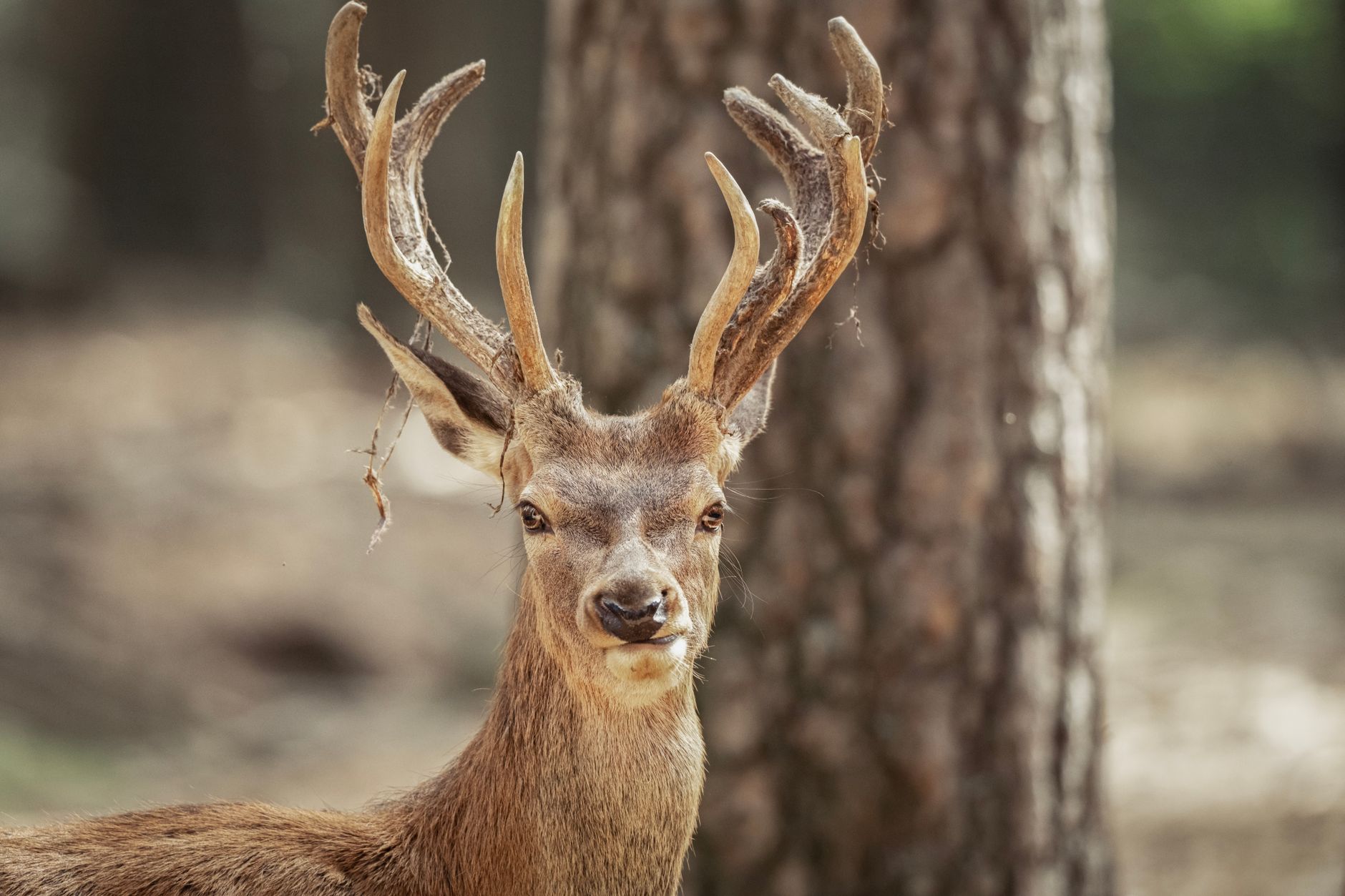
- Remove velvet: As antlers mature, the velvet dries and sheds, and rubbing accelerates this process.
- Deposit scent: Bucks possess scent glands on their foreheads and around their antlers. Rubbing deposits this scent, marking territory and communicating with other deer.
- Display dominance: Rubbing is a visual and olfactory display of strength and readiness to breed.
The type of tree selected and the intensity of the rub are also influenced by the buck’s individual characteristics and the environment.
Using Rub Height as an Indicator of Deer Size
The height of a rub is often the first indicator considered when assessing deer size. Taller rubs suggest a larger-bodied deer with a more significant antler reach. However, this is where caution is needed.
- Average heights: While there’s no one-size-fits-all answer, the height of the rubbed area’s upper edge can be compared to average shoulder heights for deer in the specific region.
- Tree species: The height of available trees influences rub placement. A buck may rub higher on a smaller sapling than a mature tree.
- Terrain: Uneven terrain can distort rub height relative to the deer’s actual size.
The Significance of Rub Diameter
The diameter of the tree rubbed can also provide clues. Larger bucks tend to prefer rubbing thicker trees.
- Antler size correlation: A buck with a wider antler spread is likely to choose a tree that provides sufficient resistance and surface area for rubbing.
- Tree availability: Like height, availability also plays a role. A buck might settle for a smaller diameter tree if no larger options are present.
- Bark type: Bucks often prefer smooth-barked trees that readily display the rub and scent.
Beyond Size: Interpreting Rub Characteristics
Beyond height and diameter, other characteristics can offer insights into the deer population.
- Rub frequency: A high density of rubs in a specific area suggests a high deer population or a preferred travel corridor.
- Rub location: Rubs along field edges or near bedding areas can indicate prime habitat.
- Fresh vs. old rubs: The presence of fresh rubs indicates recent activity, while older rubs may suggest a resident buck’s established territory.
The Importance of Context and Caution
Determining Can you tell the size of a deer by a rub requires more than just measuring height and diameter. Context is critical.
- Regional variations: Deer sizes vary significantly across different regions. What is considered a large rub in one area may be average in another.
- Environmental factors: Food availability, habitat quality, and predator pressure all influence deer size and behavior.
- Individual variability: Even within a population, there is significant individual variation in size and antler development.
Therefore, rub analysis should be part of a broader assessment that includes other indicators, such as tracks, scat, and direct observation.
Common Mistakes in Rub Interpretation
Misinterpreting rubs can lead to inaccurate assessments of deer populations. Here are some common mistakes to avoid:
- Over-reliance on height: Assuming that rub height is a definitive measure of deer size without considering environmental factors.
- Ignoring tree species: Not accounting for the influence of tree species on rub placement.
- Failing to consider terrain: Neglecting the impact of uneven terrain on rub height.
- Disregarding other sign: Ignoring other indicators of deer activity, such as tracks and scat.
- Anthropomorphism: Attributing human-like motivations or behaviors to deer rubbing.
By avoiding these mistakes and carefully considering the context, you can improve the accuracy of your rub analysis.
Tools and Techniques for Rub Analysis
Several tools and techniques can aid in rub analysis.
- Measuring tape: For accurately measuring rub height and tree diameter.
- GPS: For mapping rub locations and identifying patterns.
- Camera: For documenting rub characteristics and tracking changes over time.
- Compass: To record the direction that the rub faces, in relation to the deer run.
By using these tools and techniques, you can gather more comprehensive data and improve the accuracy of your interpretations.
Conclusion: Putting It All Together
While Can you tell the size of a deer by a rub with absolute certainty? No. However, by understanding the mechanics of rub creation, considering the environmental context, and avoiding common mistakes, you can gain valuable insights into the deer population inhabiting an area. Rub analysis is a powerful tool that, when used in conjunction with other indicators, can contribute to more informed deer management and hunting strategies. The ability to “read” these arboreal messages enhances our understanding of deer behavior and their place in the ecosystem.
Frequently Asked Questions (FAQs) about Deer Rubs and Size
1. Can a small buck make a rub that appears to be from a larger deer?
Yes, it is possible. A smaller buck might rub higher on a sapling or use uneven terrain to its advantage, creating a rub that appears to be from a larger deer. This is why it’s crucial not to rely solely on rub height when assessing deer size.
2. What type of trees do bucks typically prefer for rubs?
Bucks generally prefer smooth-barked trees like saplings and young trees. These trees display the rub more prominently and allow for easier scent deposition. Species like cedar, poplar, and aspen are commonly used.
3. How long does a rub last?
The visibility of a rub depends on environmental factors and the tree species. A rub on a soft-barked tree might fade more quickly than one on a harder-barked tree. Rain, snow, and sunlight can also accelerate the weathering process.
4. Can does (female deer) make rubs?
While primarily made by bucks, does may occasionally rub their heads or bodies against trees, but these rubs are typically less pronounced and less frequent than those made by bucks. These are more often scratching posts rather than scent markings.
5. How does habitat quality affect rub characteristics?
Higher quality habitat generally supports larger, healthier deer populations. This can lead to more frequent and intense rubbing activity, as well as larger overall deer sizes reflected in rub height and tree diameter.
6. What is the best time of year to look for rubs?
The peak rubbing season coincides with the rut, which typically occurs in the fall. This is when bucks are most actively marking their territory and displaying their dominance.
7. Can you age a rub?
Aging a rub can be challenging but is sometimes possible. Fresh rubs have exposed wood. Over time, the exposed wood will weather, darken, and potentially be colonized by fungi or insects. A very old rub will usually have bark growing back over the damaged area.
8. Are rubs always related to antler size?
While antler size is often correlated with body size, it’s not a perfect relationship. Some bucks may have relatively small antlers for their body size, while others may have exceptionally large antlers. Genetics and nutrition both play a role.
9. How can I use rubs to improve my hunting strategy?
Rubs can help you identify areas where bucks are actively traveling and marking their territory. Placing stands near fresh rubs can increase your chances of encountering a mature buck during the rut.
10. What other signs should I look for in conjunction with rubs?
In addition to rubs, look for tracks, scat, scrapes (areas where bucks paw the ground), and bedding areas. These signs, combined with rub analysis, can provide a more complete picture of deer activity.
11. Do bucks rub the same tree every year?
Some bucks may repeatedly rub the same trees year after year, especially if they are in a preferred location or part of an established travel corridor. These trees can become prominent landmarks in the deer’s territory.
12. How do climate change and habitat loss affect rub characteristics?
Climate change and habitat loss can disrupt deer populations and alter their behavior. Changes in vegetation patterns, food availability, and thermal cover can all impact deer size, antler development, and rubbing activity. This makes long-term monitoring of rub characteristics even more critical for understanding the health and resilience of deer populations.