
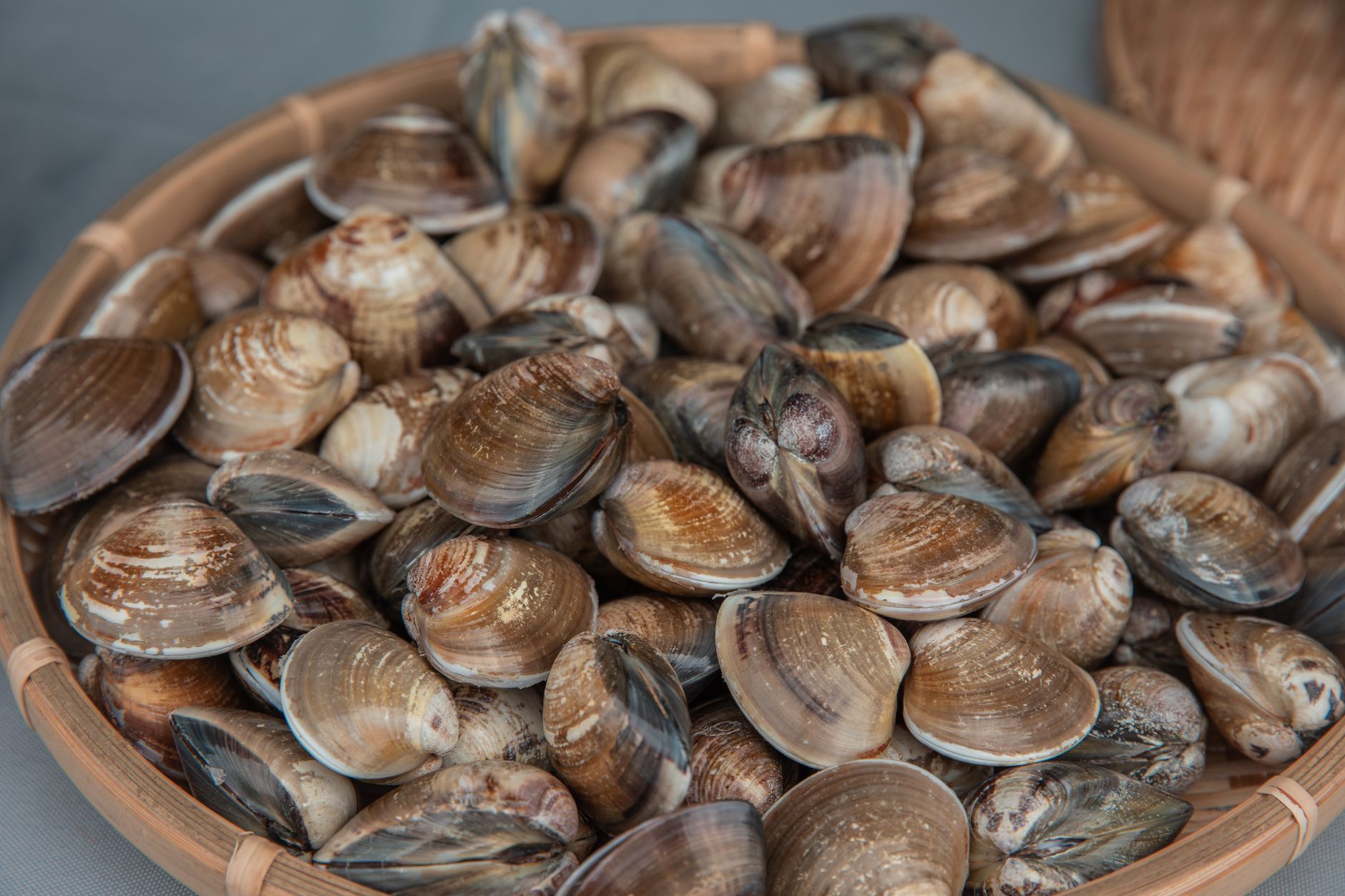
Can You Harvest a Clam Pearl Without Endangering the Clam’s Life?
The answer is complicated. While it’s possible under specific circumstances and with immense care, the process of harvesting a clam pearl typically involves, and often requires, sacrificing the clam. The viability of taking a clam pearl without killing it? is largely dependent on the pearl’s location within the clam and the harvester’s skill.
Clam Pearls: A Brief Background
Clam pearls, unlike the more commonly known oyster pearls, are generally non-nacreous, meaning they lack the iridescent sheen that makes oyster pearls so prized. Instead, they are composed of calcium carbonate and are often porcelain-like in appearance. They can range in color from white and beige to brown, purple, and even black. The formation process is similar to that of oyster pearls: an irritant enters the clam, and the clam coats it with layers of material to protect itself. However, the resulting pearl is unique in its composition and appearance.

Is distilled water good for goldfish?
What colours are fish most attracted to?
Can you put your finger in a trout's mouth?
Is methylene blue anti bacterial?
Why Clam Pearl Harvesting is Risky

The major reason why harvesting clam pearls is often fatal to the clam lies in the invasive nature of the process. Unlike oysters, which are routinely cultured for pearl production and can undergo careful grafting procedures, clams are less frequently farmed for this purpose. This means that most clam pearls are discovered during commercial fishing or by recreational clam diggers.
- The clam’s internal anatomy can be easily damaged during the attempt to retrieve the pearl.
- Stress from the procedure can weaken the clam, making it susceptible to infection or disease.
- Many clams are simply destroyed in the search for a pearl.
The (Rare) Scenario Where Survival Is Possible
Can you take a clams pearl without killing it? The answer is, theoretically, yes, but only under very specific circumstances:
- The Pearl’s Location: If the pearl is located very near the edge of the clam’s mantle (the tissue responsible for shell formation), outside of vital organs, the clam might survive a careful extraction.
- The Harvester’s Skill: A skilled biologist or experienced aquaculturist with the right tools and knowledge could potentially extract the pearl with minimal damage. This involves a delicate surgical procedure performed in a sterile environment.
- Immediate Aftercare: Even with a careful extraction, the clam requires immediate and specialized aftercare, including:
- Antiseptic treatment of the wound.
- Quarantine in a clean, oxygenated tank.
- Close monitoring for signs of infection or stress.
- Species: Certain hardier clam species may be more resilient to such procedures than others, making survival more probable.
The Ethical Considerations
Given the low success rate and the potential for suffering, the ethical implications of attempting to harvest a clam pearl without proper expertise and resources should be carefully considered. Is the value of the pearl worth risking the life of the clam?
A Comparison: Oyster vs. Clam Pearl Harvesting
| Feature | Oyster Pearl Harvesting | Clam Pearl Harvesting |
|---|---|---|
| Farming | Common; oysters are specifically cultured for pearls | Rare; clams are seldom farmed specifically for pearl production |
| Grafting | Standard practice to induce pearl formation | Not commonly practiced or well-developed |
| Survival Rate | Relatively high with proper techniques | Low; often results in the clam’s death |
| Technique | More refined and less invasive | Typically involves destructive methods |
| Can you take a clams pearl without killing it? | Often yes, especially with cultured pearls | Unlikely unless performed by experts under specific conditions |
The Future of Clam Pearl Harvesting
While culturing clams for pearl production remains uncommon, research into more sustainable and ethical methods is ongoing. Advancements in aquaculture techniques and a greater understanding of clam biology may eventually lead to harvesting practices that prioritize the clam’s survival.
Frequently Asked Questions
Is it illegal to harvest clam pearls?
The legality of harvesting clam pearls depends on the specific location and species of clam. Many areas have regulations regarding clam harvesting, including size limits, bag limits, and closed seasons. It’s crucial to check local regulations before attempting to harvest any clams.
What is the value of a clam pearl?
The value of a clam pearl is determined by several factors, including size, shape, color, and luster. Rare colors and unusual shapes can command higher prices. However, clam pearls are generally less valuable than high-quality oyster pearls.
How long does it take for a clam to form a pearl?
The exact timeframe for clam pearl formation is unknown and varies depending on several factors, including the size of the irritant, the species of clam, and the environmental conditions. It’s believed to take several years for a significant pearl to develop.
Can any type of clam produce a pearl?
While many clam species can potentially produce pearls, some species are more likely to do so than others. The Quahog clam (Mercenaria mercenaria) is known to produce purple pearls, while other species may produce white, brown, or black pearls.
What does a clam pearl look like?
Clam pearls typically lack the iridescent sheen of oyster pearls and are often porcelain-like in appearance. They can range in color from white, beige, and brown to purple and black. Their shape can vary from round to oval to irregular.
How are clam pearls different from oyster pearls?
The main difference between clam and oyster pearls lies in their composition. Oyster pearls are nacreous, meaning they are composed of layers of aragonite crystals that create an iridescent effect. Clam pearls, on the other hand, are generally non-nacreous and composed primarily of calcium carbonate.
How can I tell if a clam has a pearl inside?
There’s no easy way to tell if a clam has a pearl inside without opening it. Some clam diggers report that clams containing pearls may feel heavier than usual, but this is not a reliable indicator.
What is the best way to care for a clam pearl?
Clam pearls should be stored in a soft pouch or container to prevent scratching or damage. Avoid exposing them to harsh chemicals or extreme temperatures. Gentle cleaning with a soft cloth is recommended.
Are clam pearls rare?
Yes, clam pearls are considered relatively rare, especially those of high quality. Finding a clam pearl is a matter of chance, as most clams are not specifically cultured for pearl production.
If I find a clam pearl, what should I do?
If you find a clam pearl, you should first research its potential value by consulting with a gemologist or pearl expert. You can then decide whether to keep it, sell it, or have it set into jewelry.
What are the cultural uses of clam pearls?
Throughout history, clam pearls have been used for ornamentation, jewelry, and even as currency in some cultures. Some indigenous communities consider them sacred objects.
Besides harvesting for pearls, what other threats do clams face?
Clams face various threats, including overfishing, habitat destruction, pollution, and climate change. Sustainable harvesting practices and efforts to protect clam habitats are crucial for their survival. The question of Can you take a clams pearl without killing it? highlights the importance of ethical considerations surrounding clam harvesting in general.