

What is the Most Colorful Parrot?
The undisputed champion of avian artistry is the Hyacinth Macaw, boasting a vibrant, intense cobalt blue plumage that makes it a stunning spectacle in the parrot world. However, while it reigns supreme in monochromatic splendor, the Rainbow Lorikeet takes the crown for overall rainbow diversity, sporting a breathtaking kaleidoscope of colors.
Introduction: The Allure of Colorful Parrots
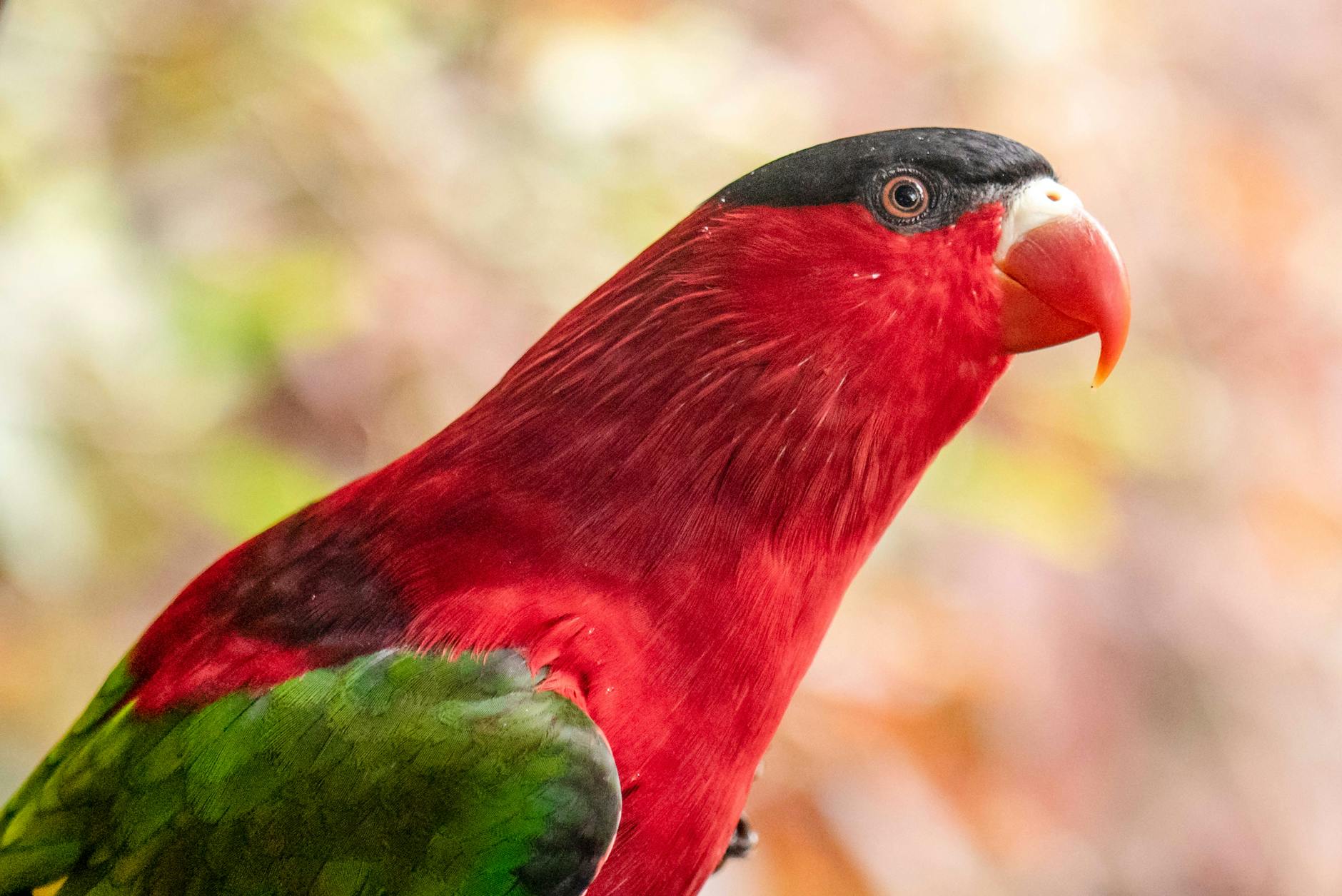
Parrots, with their intelligence, mimicry, and striking plumage, have captivated humanity for centuries. The vibrancy of their feathers serves various purposes, from attracting mates to providing camouflage in their natural habitats. The sheer diversity of colors across different parrot species makes the question, “What is the most colorful parrot?” a fascinating one. This article will delve into the world of vibrant parrot coloration, explore contenders for the title, and answer frequently asked questions about the science behind their captivating appearance.
Identifying the Contenders

Several parrot species stand out due to their exceptional coloration. However, the definition of “most colorful” can be subjective. Are we looking for a single, striking color, or the greatest diversity of colors on a single bird? Considering both perspectives is essential in answering, “What is the most colorful parrot?“
- Hyacinth Macaw: Known for its uniform, deep blue plumage with bright yellow markings around the eyes and beak.
- Rainbow Lorikeet: A true rainbow of colors, featuring a bright red beak, blue head, green back, orange breast, and yellow belly.
- Scarlet Macaw: This impressive bird boasts a vibrant combination of red, yellow, and blue feathers.
- Eclectus Parrot: Exhibiting striking sexual dimorphism, the male is predominantly bright green, while the female is primarily red and purple/blue.
Pigments and Structural Coloration
The vibrant colors of parrots are produced through two primary mechanisms: pigments and structural coloration.
- Pigments: These are chemical compounds that absorb certain wavelengths of light and reflect others. Melanin produces black and brown, carotenoids produce red, orange, and yellow, and psittacofulvins are unique pigments found only in parrots, responsible for a wide range of red, orange, and yellow hues.
- Structural Coloration: This phenomenon occurs when the microscopic structure of the feathers interacts with light, causing interference and diffraction. This is responsible for the blue, green, and iridescent colors seen in many parrots.
Understanding these mechanisms is key to appreciating the complexity behind the question, “What is the most colorful parrot?“
Factors Influencing Coloration
Several factors influence the coloration of parrots:
- Genetics: The genetic makeup of a parrot determines its capacity to produce specific pigments and the structure of its feathers.
- Diet: A nutrient-rich diet is crucial for the production and maintenance of vibrant plumage. Carotenoids, in particular, must be obtained through diet.
- Environment: Exposure to sunlight and other environmental factors can affect the intensity and longevity of feather colors.
- Age: Some parrots may develop more vibrant colors as they mature.
- Sex: In some species, like the Eclectus Parrot, males and females have dramatically different coloration.
The Hyacinth Macaw: A Study in Blue Perfection
The Hyacinth Macaw, Anodorhynchus hyacinthinus, is often cited as a prime example of avian beauty. Its intense cobalt blue plumage is breathtaking, creating a visual spectacle unmatched by many other parrots. While not the most diverse in colors, its singular, dominant hue is incredibly striking. The yellow markings around the eyes and beak provide a contrasting accent, enhancing its overall visual appeal.
The Rainbow Lorikeet: A Kaleidoscope of Colors
The Rainbow Lorikeet, Trichoglossus moluccanus, is a true testament to nature’s artistry. This parrot boasts a stunning array of colors, including a bright red beak, blue head, green back, orange breast, and yellow belly. This vibrant combination makes it a strong contender for the title of “What is the most colorful parrot?” Its playful nature and energetic demeanor only add to its charm.
Comparing Color Palettes: A Visual Showdown
The following table compares the color palettes of the Hyacinth Macaw and the Rainbow Lorikeet:
| Feature | Hyacinth Macaw | Rainbow Lorikeet |
|---|---|---|
| Dominant Color | Cobalt Blue | Mixture of Red, Blue, Green, Orange, Yellow |
| Secondary Colors | Yellow (around eyes & beak) | Varies across subspecies |
| Color Diversity | Low | High |
| Overall Impression | Striking Monochromatic | Vibrant Polychromatic |

Frequently Asked Questions (FAQs)
What is the scientific reason for parrot coloration?
Parrot coloration serves several important functions, including mate attraction, camouflage, and species recognition. Bright colors can signal health and genetic fitness to potential mates. Coloration can also provide camouflage in the parrot’s natural habitat, blending in with foliage and flowers. Finally, distinct color patterns help parrots identify members of their own species.
Are there any parrots that change color?
While not true chameleons, some parrots exhibit slight color changes due to dietary influences or feather wear. For example, a parrot with a diet deficient in carotenoids may experience a dulling of its red or orange feathers.
How do parrots perceive color?
Parrots have tetrachromatic vision, meaning they can see four primary colors: red, green, blue, and ultraviolet. This allows them to perceive a wider range of colors than humans, who have trichromatic vision.
What is the rarest color in parrots?
True blue coloration, especially a deep, intense blue, is relatively rare in parrots. This is because it requires specific feather structures to produce structural coloration.
Which parrot has the most vibrant red color?
The Scarlet Macaw is renowned for its vibrant red feathers. However, the specific shade of red can vary depending on individual genetics and diet.
Are albino parrots truly colorless?
Albino parrots lack melanin, the pigment responsible for black and brown coloration. They appear white with pink eyes due to the absence of pigment. They technically lack color, as opposed to having a very bright color.
Does the diet affect the color of parrots?
Yes, absolutely. A diet rich in carotenoids is essential for maintaining vibrant red, orange, and yellow feathers. Deficiencies can lead to dull or faded plumage.
How can I enhance my parrot’s feather color?
Provide a well-balanced diet rich in fruits, vegetables, and nuts. Supplementing with carotenoid-rich foods like carrots and sweet potatoes can also enhance feather color. Consulting with an avian veterinarian is recommended.
What is psittacofulvin?
Psittacofulvins are unique pigments found only in parrots. They are responsible for a wide range of red, orange, and yellow hues in their feathers.
Are there green parrots?
Yes, many parrot species are predominantly green. Examples include the Amazon Parrot, the Budgerigar (in its wild form), and the male Eclectus Parrot. Green is a common and effective camouflage color in many tropical habitats.
How do parrots get purple feathers?
Purple coloration in parrots is typically achieved through a combination of red and blue pigments or through structural coloration. The specific mechanism varies depending on the species.
What is structural coloration, and how does it work?
Structural coloration is when colors are produced by the microscopic structure of the feathers themselves rather than by pigments. The structure of the feathers interferes with light, causing some wavelengths to be reflected, thus resulting in the observed color. This is commonly how blues and greens are generated in parrot feathers.
Conclusion: Celebrating Avian Color
The question, “What is the most colorful parrot?” has no single, definitive answer. While the Hyacinth Macaw mesmerizes with its intense blue hue, the Rainbow Lorikeet wows with its kaleidoscopic array of colors. Ultimately, the “most colorful” parrot is a matter of personal preference, and each species contributes to the breathtaking diversity of the avian world. Their striking plumage, a testament to evolution and adaptation, continues to inspire awe and wonder in all who observe them.