

Can You Stop Rabbits From Fighting? Understanding and Resolving Bunny Battles
Yes, you can often stop rabbits from fighting, but it requires understanding the underlying causes and implementing appropriate strategies related to environment, bonding, and individual rabbit personalities. Preventing rabbit aggression is essential for their well-being and harmonious living.
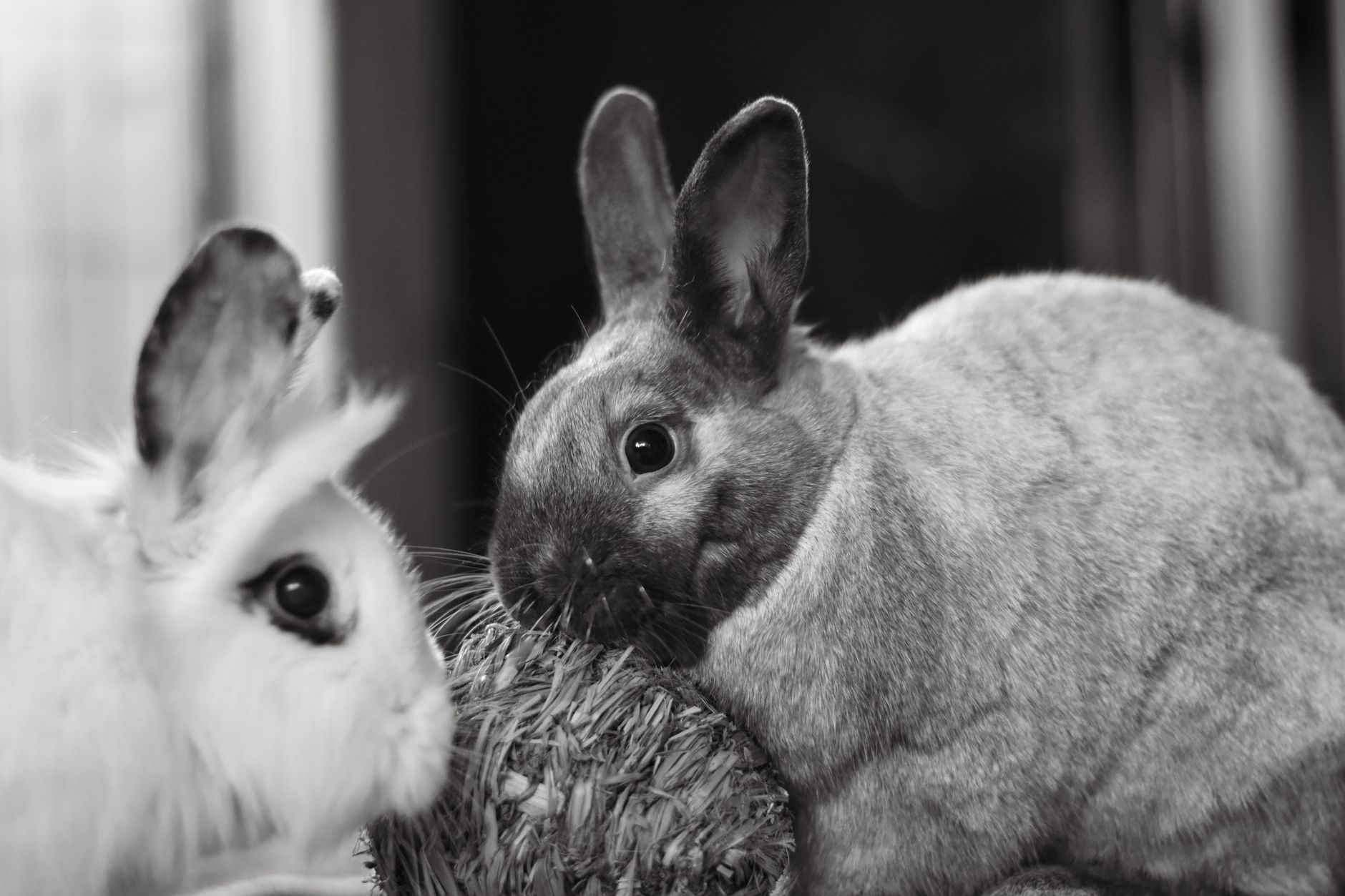
Rabbits, often perceived as docile and cuddly, can sometimes engage in aggressive behaviors. Understanding why rabbits fight and how to prevent or resolve these conflicts is crucial for responsible rabbit ownership and creating a safe and comfortable environment for your furry friends. This article delves into the complexities of rabbit aggression, providing insights and practical solutions to help you manage and mitigate fighting between your bunnies.
Understanding Rabbit Aggression: Why Do They Fight?
Rabbit aggression can stem from a variety of factors, including:
- Territoriality: Rabbits are naturally territorial animals, and fighting can occur when they feel their space is threatened. This is particularly common with unneutered or unspayed rabbits.
- Hormonal Influences: Hormones play a significant role in rabbit behavior, especially during puberty and mating seasons. Unaltered rabbits are more likely to display aggressive behaviors.
- Establishing Dominance: In a rabbit colony, a hierarchy exists. Rabbits may fight to establish or maintain their position in the social order.
- Lack of Space and Resources: Insufficient space, food, water, or hiding places can lead to competition and aggression.
- Incompatibility: Some rabbits simply don’t get along. Personality clashes can lead to ongoing conflict.
- Health Issues: Pain or illness can make rabbits more irritable and prone to aggression.
Is distilled water good for goldfish?
What colours are fish most attracted to?
Can you put your finger in a trout's mouth?
Is methylene blue anti bacterial?
Prevention is Key: Creating a Harmonious Environment

Preventing fights is far easier than stopping them once they start. Here are key strategies to minimize aggression:
- Spaying and Neutering: This is the single most important step in reducing aggression. It significantly lowers hormone levels, making rabbits calmer and less territorial. Ideally, this should be done before reaching sexual maturity (around 4-6 months for females, 3-5 months for males).
- Providing Ample Space: Rabbits need plenty of space to move around, exercise, and escape from each other if needed. A general rule is to provide at least 4 square feet of living space per rabbit, plus additional exercise space.
- Offering Multiple Resources: Ensure each rabbit has access to its own food bowl, water bottle, litter box, and hiding place. This reduces competition and territorial disputes.
- Careful Bonding: Introducing rabbits should be done gradually and supervised. Start with pen sharing, allowing them to get used to each other’s scents before direct interaction.
- Enrichment: Boredom can lead to destructive and aggressive behaviors. Provide plenty of toys, tunnels, and other forms of enrichment to keep your rabbits mentally and physically stimulated.
- Monitor and Intervene: Pay close attention to your rabbits’ interactions. Early signs of aggression, such as chasing, nipping, or mounting, should be addressed immediately.
The Bonding Process: A Step-by-Step Guide
Successfully bonding rabbits takes time, patience, and a structured approach.
- Pen Sharing: Place the rabbits in separate enclosures side-by-side so they can see and smell each other without direct contact.
- Scent Swapping: Regularly swap bedding and toys between the pens to familiarize them with each other’s scents.
- Supervised Visits: Allow short, supervised visits in a neutral territory. Watch carefully for signs of aggression and separate them if needed.
- Positive Reinforcement: Offer treats and praise during interactions to create positive associations.
- Gradual Increase in Time: Gradually increase the duration of supervised visits as they become more comfortable with each other.
- Full-Time Integration: Once they consistently exhibit positive interactions, they can be allowed to live together full-time.
Addressing Existing Aggression: Intervention Strategies
If your rabbits are already fighting, here’s how to intervene:
- Interrupt the Fight: Make a loud noise, such as clapping your hands or stomping your feet, to startle them and break up the fight. Avoid physically intervening, as you could get bitten.
- Separate the Rabbits: Immediately separate the rabbits into separate enclosures.
- Re-evaluate the Environment: Assess their living space, resources, and enrichment. Make sure they have enough of everything.
- Re-bond the Rabbits: Once they’ve calmed down, begin the bonding process again from the beginning, taking it slowly and carefully.
- Consult a Veterinarian: If the aggression persists or is severe, consult a veterinarian to rule out any underlying medical conditions.
- Consider Professional Help: A rabbit behaviorist can provide personalized guidance and support.
Common Mistakes to Avoid
- Forcing Interactions: Never force rabbits to interact if they are not ready. This can escalate aggression.
- Ignoring Early Warning Signs: Pay attention to subtle signs of aggression and address them before they escalate.
- Punishing Aggression: Punishment is ineffective and can actually worsen aggression by creating fear and anxiety.
- Insufficient Space: Providing too little space is a common cause of aggression.
- Rushing the Bonding Process: Bonding rabbits takes time and patience. Rushing the process can lead to fighting.
- Assuming All Rabbits Will Get Along: Not all rabbits are compatible. Sometimes, despite your best efforts, they may never be able to live together peacefully. Accepting incompatibility is crucial for their well-being.
Can you stop rabbits from fighting? Understanding the Underlying Causes
Understanding the causes is the first step toward successfully preventing and managing rabbit aggression. Knowing what triggers fighting – from territorial instincts to health problems – equips you to address the problem effectively.
| Cause | Explanation | Solution |
|---|---|---|
| Territoriality | Rabbits defend their space against perceived intruders. | Provide ample space, multiple resources, and consider neutering/spaying. |
| Hormones | Unaltered rabbits are driven by hormonal urges to mate and defend territory. | Spay/neuter rabbits to reduce hormone-driven aggression. |
| Dominance | Rabbits establish a social hierarchy through displays of aggression. | Supervise interactions, provide multiple resources to minimize competition, and avoid interfering unnecessarily. |
| Lack of Space | Confined spaces can lead to frustration and aggression. | Ensure rabbits have adequate space to move, exercise, and escape each other. |
| Health Issues | Pain or illness can make rabbits irritable and aggressive. | Consult a veterinarian for a thorough checkup and treatment. |
| Incompatibility | Some rabbits are simply not a good match in terms of personality. | Separate incompatible rabbits and provide them with individual living spaces. Consider rehoming if necessary. |
Frequently Asked Questions (FAQs)
Why is my bonded pair suddenly fighting?
A bonded pair suddenly fighting could indicate a change in the environment, a health issue in one of the rabbits, or a perceived threat. Carefully observe their behavior to identify any potential triggers. Consulting a veterinarian is also recommended to rule out underlying medical conditions.
How do I introduce a new rabbit to my existing rabbit?
Introduce rabbits gradually using the pen-sharing method. Allow them to get used to each other’s scents before direct interaction. Supervise visits in a neutral territory and separate them if you see any signs of aggression. The key is patience and positive reinforcement.
What are the signs of rabbit aggression?
Signs of rabbit aggression include chasing, nipping, mounting, fur pulling, growling, and boxing (standing on hind legs and swatting with front paws). Recognizing these signs early is crucial for preventing serious fights.
Is it normal for rabbits to groom each other and then fight?
Yes, it can be normal. Grooming is a sign of affection and bonding, but sometimes dominance displays can follow. If the grooming leads to fighting, it might be an attempt to assert dominance. Monitor the situation closely and intervene if necessary to prevent escalation.
What should I do if my rabbits are drawing blood when they fight?
If your rabbits are drawing blood, you need to separate them immediately and permanently into separate living spaces. This indicates a serious incompatibility, and they should not be allowed to interact again. Clean any wounds with a pet-safe antiseptic and monitor them for signs of infection.
Can stress cause rabbits to fight?
Yes, stress can definitely contribute to rabbit aggression. Changes in the environment, loud noises, the presence of predators, or other stressful situations can make rabbits more anxious and prone to fighting. Minimizing stress is essential for a harmonious environment.
How can I tell if my rabbits are just playing or actually fighting?
Playful behavior in rabbits typically involves chasing, gentle nipping, and binkies (happy jumps). Fighting, on the other hand, is usually more intense, with biting, fur pulling, and vocalizations like growling or hissing. The intensity and context are key to differentiating between play and aggression.
Is it possible to re-bond rabbits after they have had a serious fight?
It is possible, but it requires a great deal of patience and effort. You’ll need to start the bonding process from scratch, taking it very slowly and carefully. In some cases, re-bonding may not be successful.
What is the best way to create a neutral territory for bonding?
A neutral territory should be a space that neither rabbit considers their own. A room that neither rabbit frequents, or a clean pen placed in a new location, can work well. Thorough cleaning of the space is crucial to remove any lingering scents.
How important is diet in preventing rabbit aggression?
A balanced and appropriate diet is crucial for overall rabbit health and well-being, which can indirectly influence their behavior. Nutritional deficiencies or digestive problems can contribute to irritability and aggression. Ensure your rabbits are getting a diet rich in hay, with limited pellets and fresh vegetables.
Are some rabbit breeds more prone to aggression than others?
While individual personalities play a larger role, some breeds may be known for being more territorial or independent, which could potentially lead to more aggressive behaviors. However, generalizations about entire breeds should be avoided.
If I still can’t stop my rabbits from fighting, what are my options?
If you’ve tried everything and can you stop rabbits from fighting? still seems impossible, the kindest option may be to house them separately or, if necessary, consider rehoming one of the rabbits to a home where it can be a solo pet. Prioritize the well-being of both rabbits.