

What Not to Give a Dog with Yeast Infection: Protecting Your Canine Companion
To help your dog recover from a yeast infection, avoid feeding them foods high in sugar and simple carbohydrates as these fuel yeast growth. Focus on a low-carbohydrate, high-protein diet while addressing the underlying cause of the infection.
Understanding Canine Yeast Infections
Yeast infections in dogs, often caused by Malassezia pachydermatis, are unfortunately common, especially in warm, humid environments. These infections thrive on readily available sugars and can affect various parts of the body, including the skin, ears, and paws. Understanding the dietary impact on yeast overgrowth is critical for successful treatment and prevention.

What fish do not need a filtered tank?
How long does it take molly fish to give birth?
The Dietary Impact on Yeast Overgrowth

Malassezia yeast feeds on sugars. Therefore, a diet rich in simple carbohydrates directly fuels yeast growth. This means certain foods, seemingly harmless, can inadvertently exacerbate a yeast infection, hindering recovery and potentially leading to chronic issues. Addressing the root cause of the infection (allergies, suppressed immune system, etc.) is crucial, but dietary modifications are a critical component of treatment.
Foods to Absolutely Avoid
Knowing what not to give a dog with yeast infection is the first step to recovery. Some foods are particularly problematic:
- Sugary Treats and Processed Foods: These are loaded with simple sugars and artificial sweeteners that yeast love.
- Grains: Rice, corn, wheat, and other grains break down into sugars, feeding the yeast. Even “whole grains” should be limited.
- Fruits: While nutritious for other reasons, fruits are high in sugar and should be restricted during a yeast infection. Exceptions might include small amounts of low-sugar fruits like blueberries or cranberries, but only under veterinary guidance.
- Starches: Potatoes, sweet potatoes, and other starchy vegetables should be avoided due to their high carbohydrate content.
- Dairy: Milk and cheese contain lactose, a sugar that can contribute to yeast overgrowth.
Focus on a Yeast-Starving Diet
The goal is to deprive the yeast of its primary food source: sugar. This doesn’t mean starving your dog, but rather providing a diet that supports overall health while hindering yeast proliferation. A low-carbohydrate diet is essential.
- High-Quality Protein: Meat-based protein sources are ideal. Consider options like chicken, turkey, beef, and fish.
- Healthy Fats: Essential fatty acids are beneficial for skin health and can help reduce inflammation. Sources include fish oil, flaxseed oil (in moderation), and olive oil.
- Low-Carb Vegetables: Some vegetables are safe in moderation. Consider options like broccoli, spinach, kale, and other leafy greens.
- Probiotics: These beneficial bacteria can help restore balance to the gut microbiome, which can be disrupted by yeast overgrowth. Consult your veterinarian about appropriate probiotic supplements.
Supplements That May Help
Certain supplements can support your dog’s immune system and overall health during a yeast infection. These can include:
- Omega-3 Fatty Acids: Help reduce inflammation and support skin health.
- Vitamin C: A powerful antioxidant that supports the immune system.
- Digestive Enzymes: Can help break down food more effectively, reducing the amount of undigested material that can feed yeast.
- Caprylic Acid: A natural antifungal derived from coconut oil. (Consult your vet first)
Working with Your Veterinarian
Dietary changes are an important part of managing a canine yeast infection, but they are rarely the only solution. What not to give a dog with yeast infection? is only half the battle. It’s crucial to work closely with your veterinarian to identify the underlying cause of the infection and develop a comprehensive treatment plan, which may include antifungal medications, topical treatments, and allergy management. Never attempt to self-diagnose or treat a yeast infection without veterinary guidance.
| Food Group | Foods to Avoid | Foods to Consider (in moderation) |
|---|---|---|
| Grains | Rice, Corn, Wheat, Oats, Barley | None (generally best to avoid grains completely) |
| Fruits | Apples, Bananas, Grapes, Oranges, Melons | Small amounts of Blueberries or Cranberries (under vet supervision) |
| Vegetables | Potatoes, Sweet Potatoes, Carrots, Peas | Broccoli, Spinach, Kale, Leafy Greens, Cauliflower |
| Dairy | Milk, Cheese, Yogurt | None |
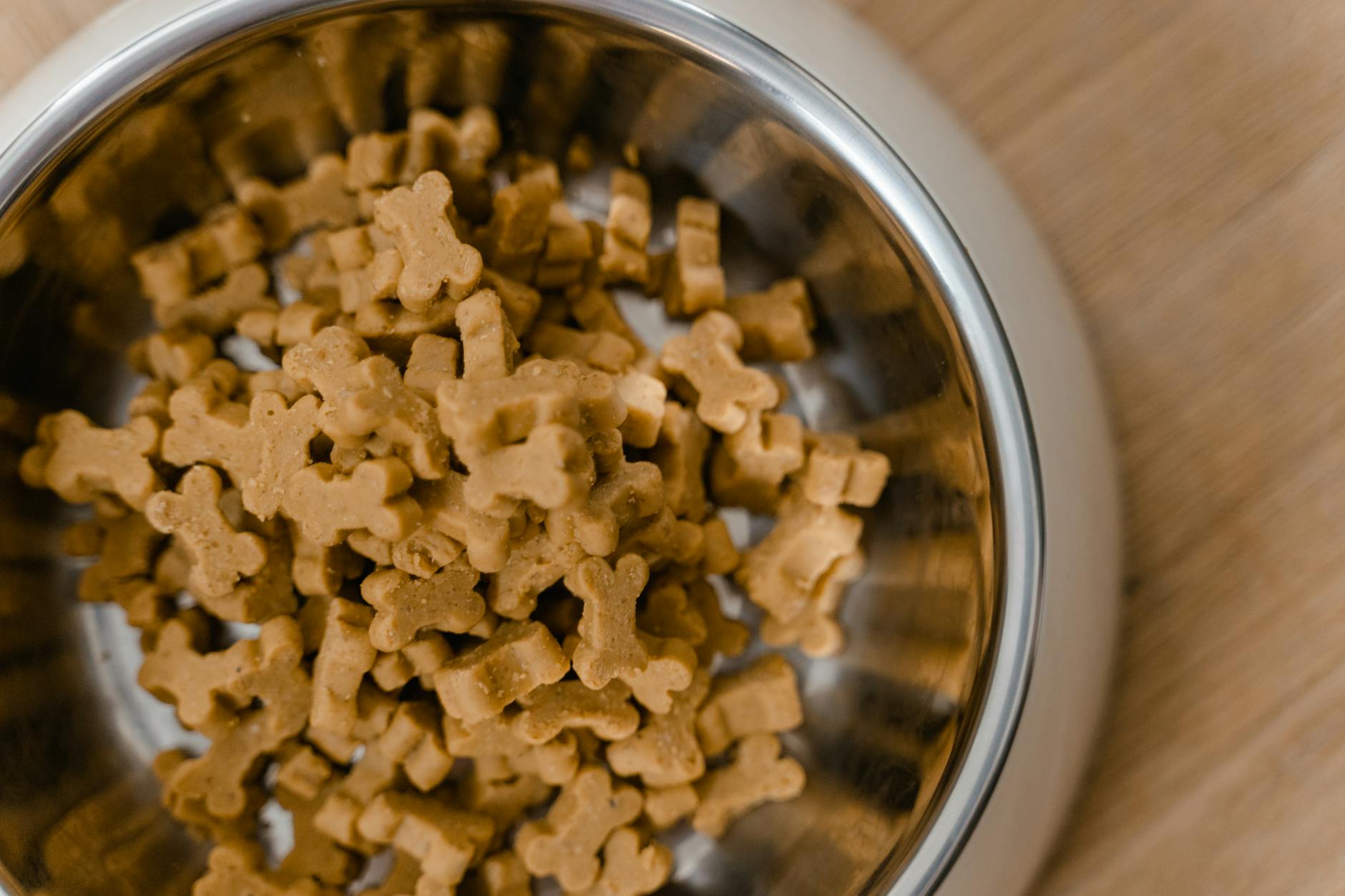
| Treats | Commercial dog treats, rawhide, processed chews | Limited ingredient, protein-based treats (check ingredients carefully for hidden sugars) |
| Other | Honey, Maple Syrup, Corn Syrup, Artificial Sweeteners, Table Scraps (especially those high in carbohydrates) | None |
Frequently Asked Questions
What are the signs of a yeast infection in dogs?
Common signs of a yeast infection in dogs include intense itching, especially around the ears, paws, armpits, and groin area. You might also notice redness, inflammation, hair loss, a musty odor, and thickened or darkened skin. Recurring ear infections are also a frequent symptom.
Can I use coconut oil to treat my dog’s yeast infection?
Coconut oil contains caprylic acid, which has antifungal properties. While it can be used topically to help soothe irritated skin, it’s not a primary treatment for yeast infections and won’t eliminate the infection entirely. Consult your veterinarian before using coconut oil, as it may not be appropriate for all dogs.
Are certain dog breeds more prone to yeast infections?
Yes, some breeds are more susceptible to yeast infections due to their skin folds, allergies, or immune system predispositions. Common breeds include West Highland White Terriers, Basset Hounds, Cocker Spaniels, and Shih Tzus. However, any dog can develop a yeast infection.
How long does it take to get rid of a yeast infection in a dog?
The duration of treatment depends on the severity of the infection and the underlying cause. Mild infections may clear up within a few weeks with appropriate medication and dietary changes. However, more severe or chronic infections can take several months to resolve. Regular veterinary check-ups are essential to monitor progress.
Can I bathe my dog with a yeast infection?
Yes, medicated shampoos specifically formulated to treat yeast infections can be helpful. These shampoos often contain antifungal ingredients like ketoconazole or miconazole. Follow your veterinarian’s instructions carefully regarding frequency and application. Avoid over-bathing, as this can dry out the skin.
How do I prevent yeast infections from recurring?
Preventing recurrence involves identifying and addressing the underlying cause of the infection, such as allergies, hormonal imbalances, or a weakened immune system. Maintaining a healthy diet, ensuring proper grooming, and regular veterinary check-ups are also crucial. Consider using hypoallergenic shampoos and avoiding excessive use of antibiotics unless necessary.
Can I give my dog yogurt for a yeast infection?
While plain, unsweetened yogurt with live cultures can be beneficial in some cases due to the probiotics, it also contains lactose, a sugar that can potentially feed yeast. Therefore, it’s generally best to avoid yogurt during a yeast infection, especially if lactose intolerance is suspected. Probiotic supplements are a safer alternative.
Is a raw food diet good for dogs with yeast infections?
A well-formulated raw food diet can be beneficial for some dogs with yeast infections, as it’s typically lower in carbohydrates than commercial kibble. However, it’s crucial to ensure the diet is balanced and complete and that proper food safety practices are followed to avoid bacterial contamination. Consult with a veterinary nutritionist to develop a suitable raw food plan.
Can I give my dog homemade treats if he has a yeast infection?
Yes, but you need to be very careful about the ingredients. Avoid using grains, sugar, and fruits. Opt for protein-based treats made with low-carbohydrate ingredients like lean meat, eggs, or vegetables like broccoli or zucchini. Always check with your vet.
Are ear infections always caused by yeast?
No, ear infections in dogs can be caused by bacteria, yeast, or a combination of both. It’s essential to have your veterinarian perform a thorough ear exam and cytology (microscopic examination of ear debris) to determine the specific cause and prescribe the appropriate treatment.
My dog is itching all the time, but the vet didn’t find any yeast. What could be wrong?
Persistent itching can be caused by various factors, including allergies (food or environmental), fleas, dry skin, skin parasites (mites), or anxiety. Further diagnostic testing, such as allergy testing or skin scrapes, may be necessary to determine the underlying cause.
If I switch my dog to a low-carb diet, can I still give him regular dog treats?
It’s best to avoid giving your dog regular dog treats during a yeast infection, as most commercial treats contain grains, sugar, or other ingredients that can exacerbate the problem. Look for limited-ingredient treats made with protein-based ingredients and free of grains, sugar, and artificial additives. Always read the ingredient list carefully. Consider healthy alternatives like small pieces of cooked meat or vegetables. When considering what not to give a dog with yeast infection?, treats need to be a part of the picture.