

Can You Squish a Red Velvet Ant? Exploring the Armored World of Velvet Ants
The answer is complex: While technically yes, you can squish a red velvet ant, it’s incredibly difficult due to their exceptionally hard exoskeleton and doing so requires significant force. Attempting to squish a red velvet ant is not recommended.

What are Red Velvet Ants?
Red velvet ants aren’t actually ants at all; they are wingless female wasps belonging to the family Mutillidae. The males are winged and less frequently observed. They are known for their dense, velvety fur, typically bright red or orange, and their potent sting. There are thousands of species worldwide, with a significant number found in the southern United States. Their vibrant coloration serves as a warning signal to potential predators – a classic example of aposematism.

What colours are fish most attracted to?
Can you put your finger in a trout's mouth?
Is methylene blue anti bacterial?
Does aquarium salt raise pH in aquarium?
The Secret to Their Resilience: The Exoskeleton
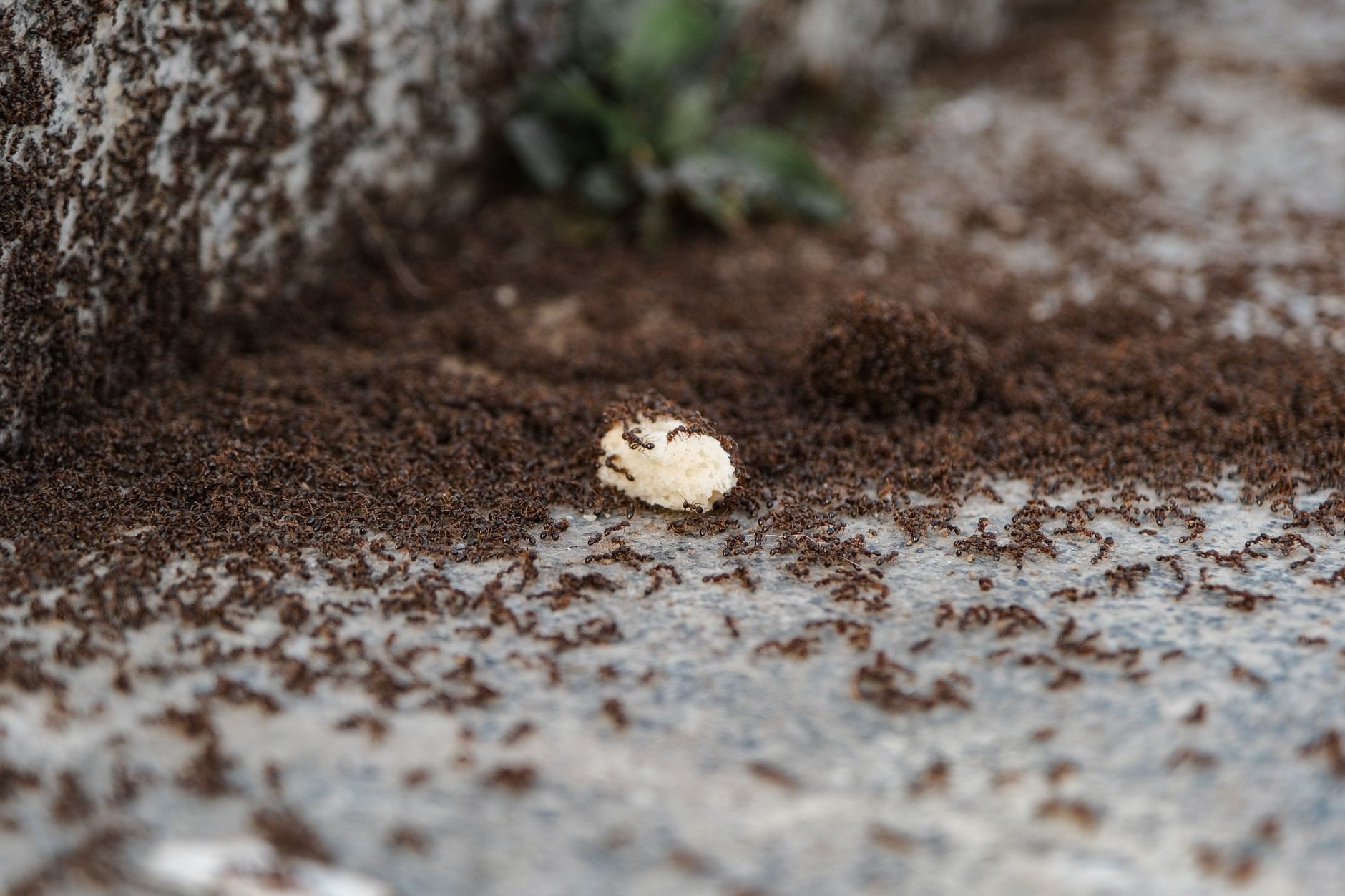
The reason it’s so difficult to squish a red velvet ant lies in their exceptionally hard exoskeleton. This outer shell, composed primarily of chitin, provides a robust protective barrier. Compared to many other insects, the exoskeleton of a velvet ant is significantly thicker and more heavily sclerotized (hardened). This makes them remarkably resistant to physical pressure and predation.
Think of it as wearing a suit of armor. While enough force will eventually break through, casual attempts at squishing are unlikely to succeed.
Why Such Strong Armor?
The evolutionary advantage of this strong exoskeleton is clear: protection. Red velvet ants are ground-dwelling insects, often found in areas with dense vegetation and potential predators. Their bright coloration makes them easily visible, so the robust exoskeleton is essential for survival.
Moreover, female velvet ants are parasitic on ground-nesting bees and wasps. They need to enter established nests to lay their eggs, a potentially dangerous situation. The tough exoskeleton protects them from attacks by the host insects.
The Stinger: Another Line of Defense
While the exoskeleton is their primary defense against being squished, red velvet ants also possess a formidable stinger. Although wingless and seemingly defenseless, the sting of a female velvet ant is notorious for its intense pain. This is why they are sometimes referred to as “cow killers,” although there’s no evidence that their sting can actually kill a cow. The potent venom and long stinger are a strong deterrent to potential predators.
Identifying Red Velvet Ants
Identifying red velvet ants is relatively straightforward:
- Appearance: Look for wingless insects with dense, velvety fur, typically bright red or orange.
- Size: They range in size from a few millimeters to over two centimeters.
- Habitat: They are commonly found in sandy or dry soil, often near bee or wasp nests.
- Movement: They move relatively slowly and deliberately.
What to Do if You Encounter One
The best course of action when encountering a red velvet ant is to simply leave it alone. Avoid handling them or attempting to disturb them. If you are stung, seek medical attention if you experience severe symptoms or an allergic reaction.
Common Mistakes When Dealing with Velvet Ants
- Underestimating their sting: Many people underestimate the pain of a red velvet ant sting.
- Trying to handle them: Attempting to pick them up or move them can provoke a sting.
- Assuming they are harmless because they are wingless: The lack of wings does not make them harmless.
- Thinking they are easy to squish: Their tough exoskeleton makes them surprisingly resilient.
Safety Precautions
- Wear shoes when walking in areas where red velvet ants are common.
- Avoid disturbing bee or wasp nests.
- Supervise children when playing outdoors.
- Educate yourself and others about the dangers of red velvet ants.
Ecological Role
Red velvet ants play an important ecological role as parasites of other insects. They help to regulate populations of ground-nesting bees and wasps, preventing them from becoming overpopulated. They are also a food source for some animals, such as birds and reptiles.
Frequently Asked Questions (FAQs)
Are red velvet ants dangerous?
Yes, red velvet ants are dangerous due to their painful sting. While the venom is not typically life-threatening to humans unless an allergic reaction occurs, the sting can cause intense pain, swelling, and itching that can last for several hours or even days. Treat red velvet ants with respect and avoid provocation.
What does a red velvet ant sting feel like?
The sting of a red velvet ant is often described as intensely painful, comparable to that of a bee or wasp sting but possibly more severe and longer-lasting. The pain is often accompanied by swelling, redness, and itching around the sting site. Some individuals may experience nausea, headache, or dizziness. The level of pain varies depending on the individual and the amount of venom injected.
What should I do if I get stung by a red velvet ant?
If you are stung by a red velvet ant, wash the area with soap and water. Apply a cold compress to reduce swelling and pain. Over-the-counter pain relievers, such as ibuprofen or acetaminophen, can help alleviate discomfort. Antihistamines can help reduce itching. If you experience severe symptoms, such as difficulty breathing, swelling of the face or throat, or dizziness, seek immediate medical attention. Always monitor for signs of an allergic reaction.
How can I prevent red velvet ants from entering my yard?
Preventing red velvet ants from entering your yard can be challenging, as they are naturally occurring insects. However, you can take steps to reduce their attraction to your property. Eliminate potential nesting sites for ground-nesting bees and wasps, such as piles of wood or debris. Keep your yard clean and well-maintained. Seal any cracks or openings in your home’s foundation to prevent them from entering. Regular pest control treatments may also help.
Do red velvet ants bite?
No, red velvet ants do not bite. They are equipped with a stinger, which they use to inject venom. They do not have mandibles designed for biting. Their primary defense mechanism is their sting.
Are red velvet ants found all over the world?
While the Mutillidae family (to which red velvet ants belong) is found worldwide, red velvet ants are most common in the southern United States and other parts of North America. Different species of velvet ants are found in various regions around the world, but the bright red, velvety appearance is often associated with those found in North America. Their distribution depends on the specific species.
What is the lifespan of a red velvet ant?
The lifespan of a red velvet ant varies depending on the species and environmental conditions. The larval stage is dependent on a host insect to develop. Adult females typically live for several months, while males may have a shorter lifespan. Research on specific lifespan is limited for many species.
Do red velvet ants live in colonies like other ants?
No, red velvet ants do not live in colonies like true ants. Female red velvet ants are solitary insects that lay their eggs in the nests of other insects. They do not have a complex social structure or a queen like ants do. They are parasitic, not social, insects.
Are red velvet ants protected or endangered?
The conservation status of red velvet ants varies depending on the species and location. Some species may be considered rare or threatened in certain areas due to habitat loss or other factors. However, there is no widespread protection for red velvet ants as a whole. Specific conservation efforts are needed for vulnerable species.
Can you squish a red velvet ant if you step on it?
While stepping on a red velvet ant might seem like a definitive way to squish a red velvet ant, their tough exoskeleton makes even this difficult. It would likely require a significant amount of focused pressure. However, attempting to do so is not recommended, as it could provoke a sting.
What do red velvet ants eat?
Red velvet ant larvae are parasitic, feeding on the larvae or pupae of their host insects, typically ground-nesting bees and wasps. Adult red velvet ants primarily feed on nectar, pollen, and other sweet substances. Their diet changes throughout their lifecycle.
Are male red velvet ants also dangerous?
While male red velvet ants do not have a stinger, they should still be treated with caution. Although they cannot sting, they can potentially bite if provoked. They are also typically winged, making them more mobile. However, they are generally considered less of a threat than the wingless, stinging females.