

Can You Scare Off Lions? A Guide to Lion Deterrence
The ability to scare off lions can be life-saving in areas where human-wildlife conflict is prevalent; the short answer is yes, you can scare off lions, but the methods and their effectiveness vary greatly depending on the situation and the lion’s motivation.
Understanding Lion Behavior
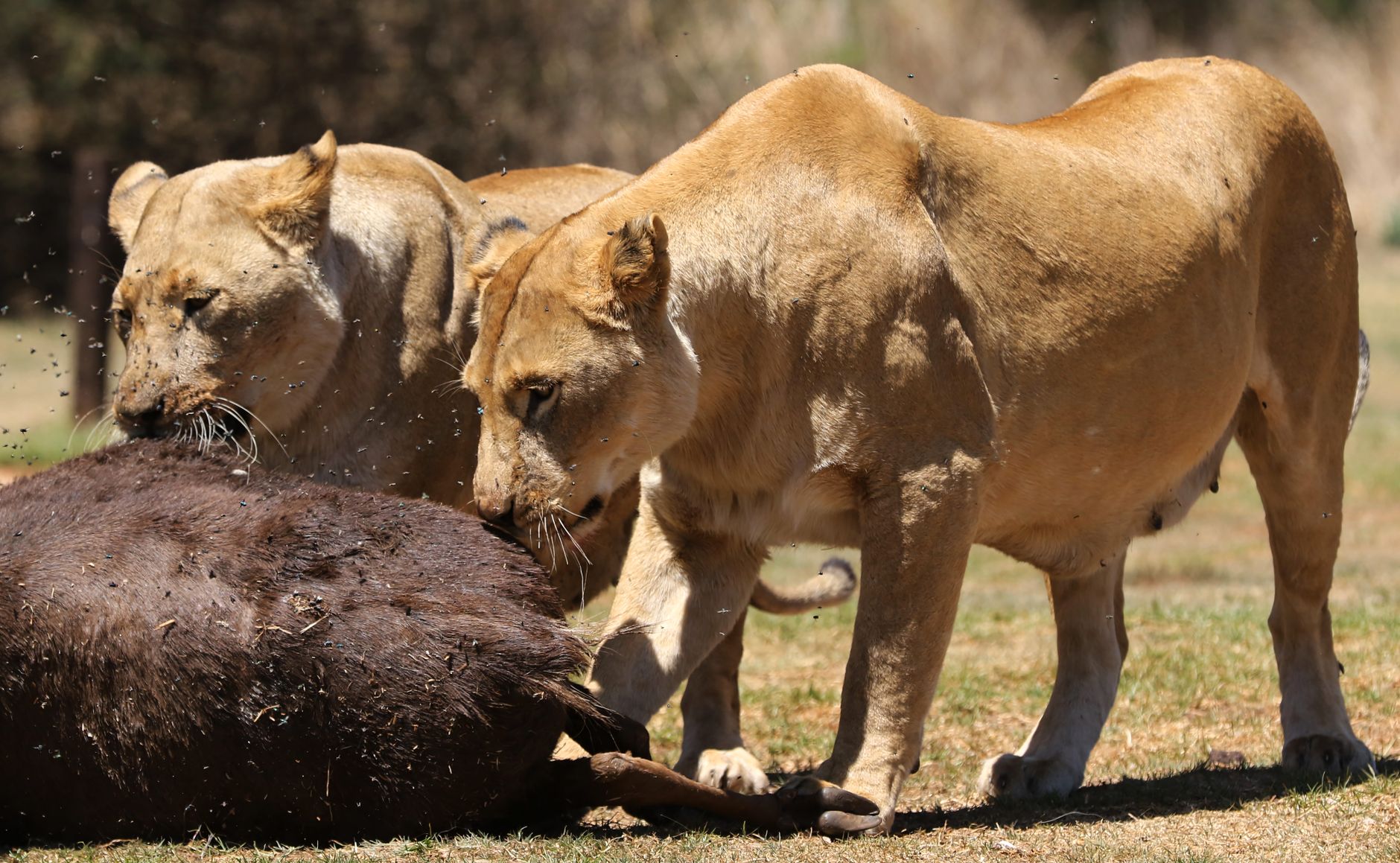
Lions, majestic apex predators, command respect and, often, fear. Understanding their behavior is crucial for anyone venturing into lion territory. Their motivations are typically centered on acquiring food, protecting their territory, and safeguarding their young. Lions are also intelligent animals that quickly learn from their experiences. If a lion successfully obtains food from a human source, it may become habituated and more likely to approach humans again. Conversely, if a lion experiences a negative encounter, it is more likely to avoid humans in the future.
What colours are fish most attracted to?
Can you put your finger in a trout's mouth?
Is methylene blue anti bacterial?
Does aquarium salt raise pH in aquarium?
Factors Influencing Lion Deterrence

Several factors affect the success of scaring off a lion. These include:
- The lion’s motivation: A hungry lion is less likely to be deterred than a satiated one. A lion protecting cubs will be extremely aggressive.
- The lion’s previous experiences with humans: Lions habituated to humans are less likely to be intimidated.
- The environment: Dense vegetation can embolden a lion, while open areas give humans an advantage.
- The method used: Some methods are more effective than others, and the effectiveness can vary depending on the individual lion.
- Group size: Being in a group significantly increases your chances of deterring a lion.
Effective Lion Deterrence Strategies
Various methods can be employed to scare off lions, ranging from simple to more sophisticated techniques. Here are some options:
- Making Noise: Loud noises are often effective. Shouting, clapping, blowing whistles, banging pots and pans, or using an air horn can startle a lion. The more unexpected and startling the noise, the better.
- Visual Deterrents: Making yourself appear larger and more threatening can deter a lion. Waving your arms, opening your jacket to appear bigger, or holding up a large object can create a more imposing presence.
- Throwing Objects: Throwing rocks, sticks, or other objects towards the lion can dissuade it. Aim for the ground near the lion, not directly at it, to avoid escalating the situation unnecessarily.
- Fire: Lions are generally afraid of fire. Starting a fire or brandishing a burning stick can be an effective deterrent. However, be mindful of fire safety and environmental regulations.
- Defensive Sprays: Bear spray, specifically designed to deter aggressive animals, can also work on lions. Aim for the lion’s face and be prepared to move quickly after spraying.
- Vehicle: If you are in a vehicle, using the horn and moving towards the lion slowly can deter it. Never attempt to run over a lion.
What NOT to Do When Encountering a Lion
It’s equally important to know what not to do in a lion encounter:
- Run: Running triggers a lion’s instinct to chase.
- Turn Your Back: Always face the lion and maintain eye contact.
- Crouch Down: This makes you appear smaller and more vulnerable.
- Panic: Stay calm and think clearly. Panicking will impair your judgment.
- Feed the Lion: Never, ever feed a lion. This habituates them to humans and can create dangerous situations for future encounters.
Technology’s Role in Lion Deterrence
Modern technology offers advanced solutions for lion deterrence, particularly in areas with frequent human-wildlife conflict:
- Electric Fences: These fences provide a physical barrier and deliver a non-lethal shock, deterring lions from entering protected areas.
- Early Warning Systems: Systems that use sensors and cameras to detect lion presence and alert communities can prevent encounters.
- Lion Lights: Automated lights that mimic the appearance of human presence can deter lions from approaching livestock at night.
The Ethical Considerations of Lion Deterrence
While deterring lions is often necessary for human safety and the protection of livestock, it’s important to do so ethically and responsibly. Lethal methods should only be considered as a last resort when all other options have failed and there is an immediate threat to human life. Efforts should focus on non-lethal methods that protect both humans and lions.
Coexistence Strategies
The most sustainable solution is fostering coexistence between humans and lions. This includes:
- Improving livestock management practices: Using stronger enclosures and guard animals can reduce livestock depredation.
- Educating communities about lion behavior and safety: This empowers people to take proactive measures to avoid conflicts.
- Supporting conservation efforts that protect lion habitats: This ensures that lions have adequate space and prey, reducing their need to venture into human-populated areas.
Tools And Techniques
| Tool/Technique | Effectiveness | Cost | Safety |
|---|---|---|---|
| Shouting | Moderate | Low | High |
| Air Horn | High | Low | High |
| Throwing Rocks | Moderate | Low | High |
| Fire | High | Moderate | Moderate |
| Bear Spray | High | Moderate | High |
| Electric Fence | High | High | Moderate |
Impact on Ecosystem
Scaring lions has both direct and indirect impacts on the ecosystem:
- Direct Impacts: Altered behavior may affect hunting patterns and territory dynamics.
- Indirect Impacts: Changes in lion behavior can influence prey populations and vegetation structure. Careful monitoring is crucial to ensure that lion deterrence strategies do not negatively impact the broader ecosystem.
Frequently Asked Questions (FAQs) About Lion Deterrence
Is it legal to kill a lion in self-defense?
Laws regarding killing lions in self-defense vary by location. Generally, it is permissible if there is an imminent threat to human life, but it is crucial to be aware of and comply with local regulations. Documentation and reporting are usually required.
How close is too close to a lion?
There is no set distance, as it depends on the lion’s behavior and the environment. However, generally, any distance closer than 50-100 meters should be considered risky. If a lion shows signs of aggression (e.g., staring, crouching, growling), it’s too close.
Can I protect my livestock from lions without killing them?
Yes, several non-lethal methods can effectively protect livestock. These include using stronger enclosures, employing livestock guardian animals (such as dogs or donkeys), and implementing lion lights.
What are the best livestock guardian animals for protecting against lions?
Various breeds of dogs, such as the Anatolian Shepherd, Great Pyrenees, and Akbash Dog, are known for their effectiveness in guarding livestock against predators. Donkeys and llamas are also used as guardian animals. The key is to properly train and integrate the animals with the livestock from a young age.
How can I make my home more lion-proof?
Strengthen your home’s perimeter with strong fencing, especially if you live in an area where lions are common. Ensure that your pets are secured at night and that food sources are not accessible to lions. Motion-sensor lights can also deter lions from approaching your property.
What should I do if a lion starts stalking me?
Do not run. Stand your ground, make yourself appear as large as possible, and make loud noises. Maintain eye contact and slowly back away while facing the lion. If the lion continues to approach, be prepared to use a deterrent such as bear spray or thrown objects.
Are there any natural lion repellents?
While there isn’t a guaranteed natural repellent, some anecdotal evidence suggests that certain strong smells, such as chili peppers or garlic, may deter lions. However, these methods are not scientifically proven and should not be relied upon as the sole means of protection.
How can I teach my children to be safe around lions?
Educate your children about lion behavior and the importance of respecting wildlife. Teach them never to approach or feed lions and to always stay close to adults when in lion country. Practice safety drills, such as what to do if they encounter a lion.
Is it safer to be in a group when encountering a lion?
Yes, absolutely. Lions are less likely to attack a group of people than a single individual. Being in a group provides more eyes to spot potential threats and more voices to create a deterrent noise.
What is the role of conservation in reducing human-lion conflict?
Conservation efforts that protect lion habitats and prey populations are crucial for reducing human-lion conflict. When lions have access to adequate resources, they are less likely to venture into human-populated areas in search of food.
Can you scare off lions with loud music?
Loud music might temporarily startle a lion, but it is not a reliable deterrent. Lions can quickly become habituated to sounds. More effective methods include shouting, using an air horn, or making other startling noises.
What is the long-term solution for reducing human-lion conflict?
The long-term solution involves a multi-faceted approach that includes conservation efforts, improved livestock management practices, community education, and responsible tourism. Coexistence strategies that benefit both humans and lions are essential for ensuring the survival of these magnificent animals.