
Can You Recycle Nalgene Bottles? Navigating the Recycling Maze

Yes, Nalgene bottles are generally recyclable, but the ease and success of recycling depend heavily on the type of plastic used and the capabilities of your local recycling facilities. Understanding these nuances is crucial to ensuring your reusable water bottle doesn’t end up in a landfill.
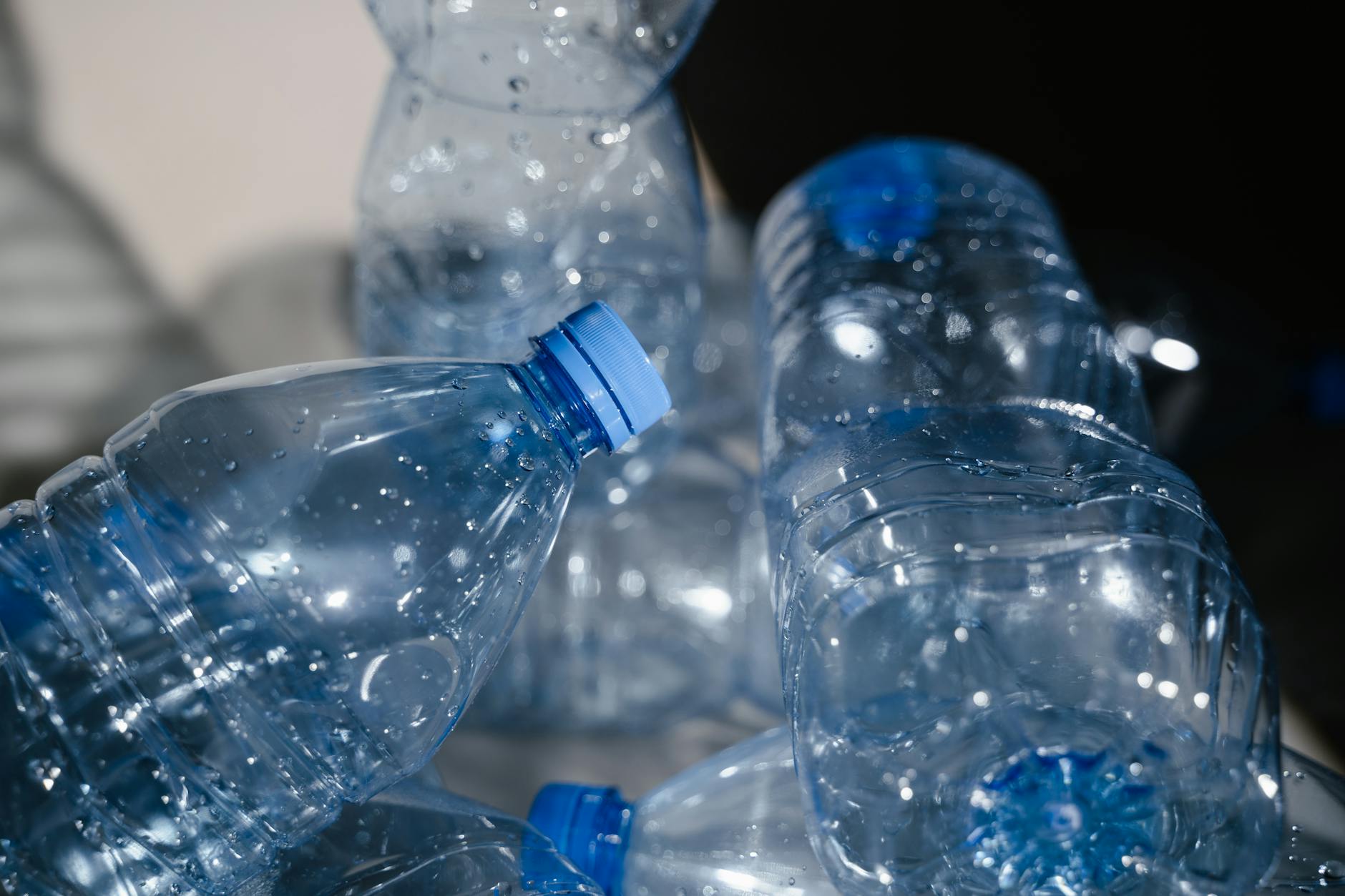
Understanding Nalgene Materials and Recycling Codes
Nalgene bottles are primarily made from two types of plastic: polyethylene terephthalate (PET, #1) and Tritan (a copolyester, often #7). These materials have vastly different recycling profiles, which significantly impacts their end-of-life management.
PET (#1) Nalgene Bottles
PET, designated by the recycling code #1, is one of the most widely recycled plastics globally. Its robust recycling infrastructure stems from its use in common items like soda bottles and food containers. PET can be easily broken down and repurposed into new products like carpeting, clothing fibers, and even new PET bottles. Consequently, PET Nalgene bottles have a high chance of being successfully recycled in most municipal recycling programs.

What colours are fish most attracted to?
Can you put your finger in a trout's mouth?
Is methylene blue anti bacterial?
Does aquarium salt raise pH in aquarium?
Tritan (#7) Nalgene Bottles

Tritan, identifiable by the recycling code #7, presents a more complicated scenario. Category #7 encompasses a diverse range of plastics, including those that are difficult or impossible to recycle using conventional methods. Tritan itself is a durable, BPA-free plastic, but its compatibility with existing recycling streams varies considerably. While some recycling facilities can process Tritan, many others lack the necessary equipment or infrastructure. This can lead to Tritan bottles being sorted out and ultimately disposed of in landfills.
Navigating Local Recycling Programs
The success of recycling your Nalgene bottle hinges on understanding the rules and capabilities of your local recycling program. Contact your local waste management authority or visit their website to determine the specific types of plastics they accept. Many programs explicitly list accepted recycling codes.
Contacting Your Recycling Provider
Direct communication with your recycling provider is the most reliable way to ascertain whether they accept #7 plastics, and specifically, whether they can process Tritan. Asking specific questions, such as “Do you accept rigid #7 plastics?” or “Can you process Tritan copolyester?” will provide more accurate information than simply inquiring about #7 in general.
Understanding Single-Stream Recycling
Many municipalities utilize single-stream recycling, where all recyclable materials are collected together in a single bin. While convenient, this system can sometimes lead to contamination and lower recycling rates. Ensure that your Nalgene bottle is clean and empty before placing it in the recycling bin to minimize contamination and improve the chances of successful recycling.
Alternatives to Recycling: Repurposing and Proper Disposal
When recycling isn’t a viable option, consider alternative methods to minimize the environmental impact of your Nalgene bottle. Repurposing the bottle for other uses or ensuring proper disposal can help divert it from landfills.
Repurposing Nalgene Bottles
Before discarding a Nalgene bottle, explore creative ways to repurpose it. Nalgene bottles are remarkably durable and versatile. They can be used for:
- Storing dry goods in the pantry.
- Organizing art supplies or craft materials.
- Holding toiletries while traveling.
- Watering plants.
- Containing small parts in a workshop.
Proper Disposal
If recycling and repurposing are not feasible, proper disposal becomes essential. In most cases, this means placing the bottle in the regular trash. However, consider checking with local hazardous waste disposal facilities. While unlikely, some may have specific programs for handling certain types of plastics.
FAQs About Recycling Nalgene Bottles
Here are 12 frequently asked questions (FAQs) that provide even deeper insights into the topic of recycling Nalgene bottles:
FAQ 1: Are all Nalgene bottles made from the same type of plastic?
No. Nalgene bottles are primarily made from PET (#1) or Tritan (#7). PET bottles are generally more recyclable due to the established infrastructure for PET recycling.
FAQ 2: How do I know what type of plastic my Nalgene bottle is made from?
Look for the recycling code (the number inside the triangle) on the bottom of the bottle. A “1” indicates PET, while a “7” signifies Tritan or another type of plastic.
FAQ 3: What does the “#7” recycling code mean?
The “#7” recycling code is a catch-all category that includes a wide range of plastics. It doesn’t necessarily mean the plastic is unrecyclable, but it does indicate that it may require specialized processing.
FAQ 4: Can I recycle my Nalgene bottle if it’s scratched or damaged?
Slightly scratched or damaged Nalgene bottles can still be recycled as long as they are clean and empty. However, severely damaged bottles might not be accepted, as they can contaminate the recycling stream.
FAQ 5: Do I need to remove the lid before recycling my Nalgene bottle?
Yes, it’s generally recommended to remove the lid before recycling. Lids are often made from a different type of plastic than the bottle itself, and they can interfere with the recycling process.
FAQ 6: What happens to Nalgene bottles that end up in landfills?
Nalgene bottles in landfills will persist for extended periods, contributing to plastic pollution. Plastic does not biodegrade in landfills, and it can take hundreds of years to break down, releasing harmful chemicals into the environment.
FAQ 7: Are there any Nalgene bottle recycling programs offered by Nalgene themselves?
Currently, Nalgene does not offer a direct take-back or recycling program for their bottles. However, they encourage consumers to recycle through local municipal programs. Check their website for any future updates on sustainability initiatives.
FAQ 8: Is Tritan plastic BPA-free?
Yes, Tritan is a BPA-free plastic. This is one of its primary advantages over some older plastics that contain bisphenol A (BPA), a potentially harmful chemical.
FAQ 9: Can I melt down my Nalgene bottle and recycle it myself?
While technically possible with proper equipment and safety precautions, melting down and recycling plastic at home is generally not recommended. It requires specialized knowledge and equipment to ensure safe and effective processing. The process can also release harmful fumes.
FAQ 10: Are there any eco-friendly alternatives to Nalgene bottles?
Yes, there are several eco-friendly alternatives to Nalgene bottles, including bottles made from stainless steel, glass, and biodegradable plastics.
FAQ 11: What can I do to encourage better plastic recycling practices?
You can support improved plastic recycling practices by advocating for better recycling infrastructure in your community, educating others about proper recycling procedures, and choosing products made from recycled materials.
FAQ 12: Where can I find more information about local recycling programs?
You can find information about local recycling programs by contacting your municipal waste management authority, visiting your city or county’s website, or using online resources like Earth911.com.
By understanding the nuances of plastic types and local recycling programs, you can make informed decisions about the end-of-life management of your Nalgene bottles and contribute to a more sustainable future. Remember, responsible consumption and disposal practices are key to mitigating the environmental impact of plastics.