

Can You Raise a Wolf Pup as a Pet?: Exploring the Complexities
Can you raise a wolf pup as a pet? No, generally speaking, it is not advisable, ethically responsible, or even legal in many jurisdictions to raise a wolf pup as a pet due to the inherent wild nature of wolves, significant safety concerns, and the vast differences between wolf and dog behavior.

Understanding the Wolf: A Wild Animal, Not a Domesticated Dog
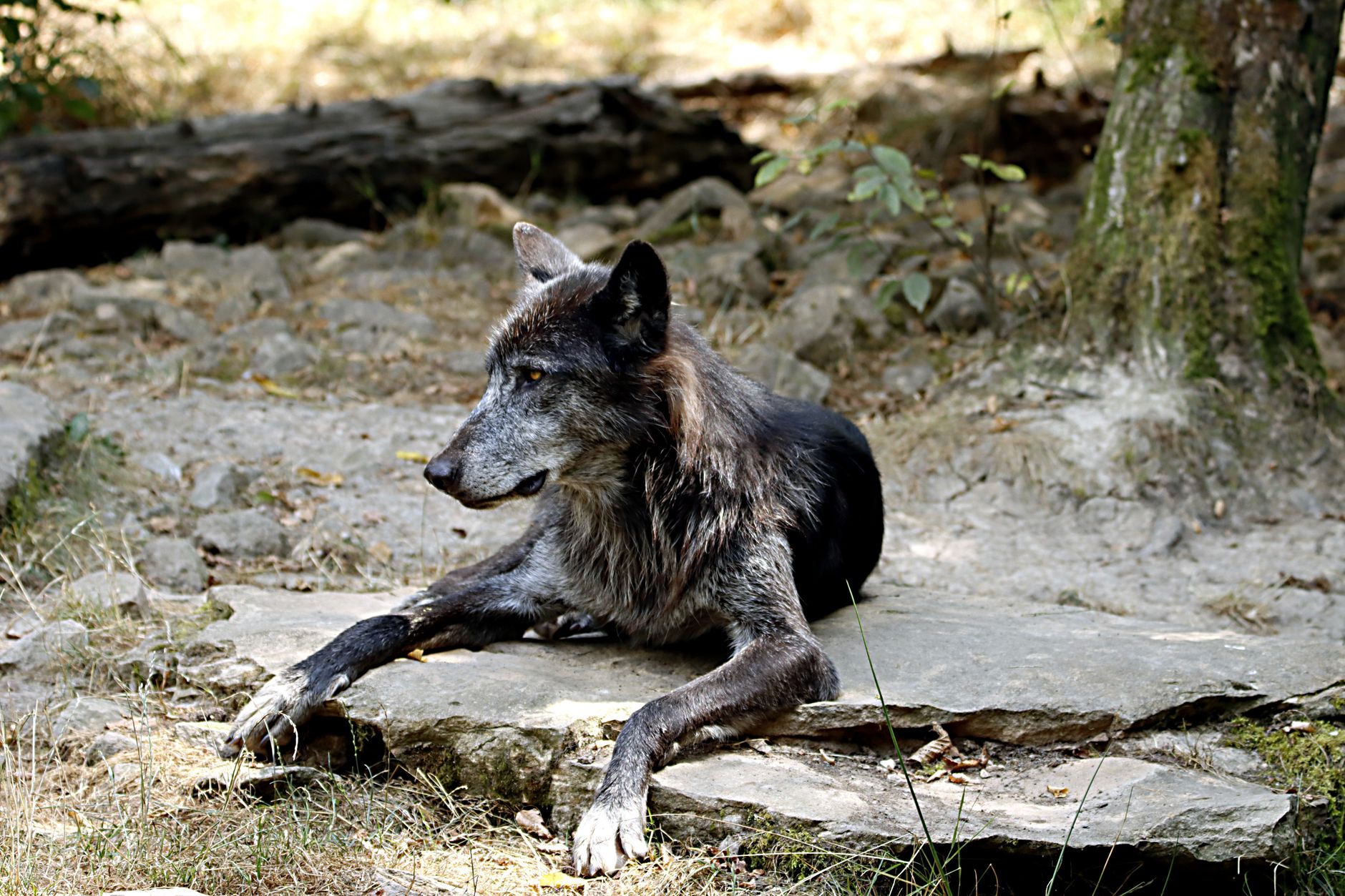
The idea of raising a wolf pup often stems from a romanticized view of these majestic animals. However, it’s crucial to understand that wolves are fundamentally different from domesticated dogs. While dogs have been selectively bred for thousands of years to exhibit traits suitable for companionship, wolves retain their wild instincts and behaviors. This distinction presents insurmountable challenges for anyone attempting to raise a wolf pup as a pet.
What is the GREY African clawed frog?
Is distilled water good for goldfish?
What colours are fish most attracted to?
Can you put your finger in a trout's mouth?
The Challenges: Why Wolves Aren’t Meant for Domestic Life

Several key factors make raising a wolf pup as a pet extremely difficult, if not impossible:
- Instinctual Behavior: Wolves have strong prey drives, territorial instincts, and pack behaviors that are not easily suppressed. These instincts can lead to destructive behaviors in a domestic setting.
- Unpredictability: Unlike dogs, wolves are less predictable. Their behavior can change rapidly, especially during hormonal shifts or when faced with perceived threats.
- Safety Concerns: Even a wolf pup raised from a young age can pose a significant safety risk to humans, especially children. Their powerful jaws and inherent instincts can lead to accidental or intentional injuries.
- Environmental Needs: Wolves require vast territories and complex social structures that cannot be replicated in a typical domestic environment. Confinement can lead to stress, aggression, and mental health issues.
- Legal Restrictions: Many states and municipalities have strict laws regarding the possession of wolves or wolf hybrids. Violating these laws can result in hefty fines, confiscation of the animal, and even criminal charges.
The Myth of Wolf-Dog Hybrids
While wolf-dog hybrids are sometimes presented as a compromise, they are often even more challenging than pure wolves. Hybrids inherit a mix of wolf and dog traits, resulting in unpredictable temperaments and behaviors. Furthermore, many shelters and rescues struggle to place wolf-dog hybrids, contributing to overpopulation and euthanasia rates. Thinking can you raise a wolf pup as a pet? and thinking a wolf-dog hybrid is the answer is a dangerous and irresponsible decision.
The Welfare of the Wolf
Beyond the challenges for the owner, keeping a wolf in a domestic environment is detrimental to the animal’s well-being. Wolves are highly intelligent and social creatures that require:
- Large Territories: Wolves need significant space to roam and explore.
- Complex Social Structures: Wolves thrive in packs with established hierarchies.
- Species-Specific Enrichment: Wolves require opportunities to engage in natural behaviors, such as hunting, digging, and scent marking.
- Appropriate Diet: Wolves have specific dietary needs that are not easily met with commercial dog food.
Failing to provide these essential elements can lead to significant stress, behavioral problems, and physical health issues. Ethically, it is our responsibility to prioritize the well-being of animals, and keeping a wolf as a pet is a clear violation of this principle.
Alternatives to Wolf Ownership
For those fascinated by wolves, there are responsible ways to appreciate and support these animals:
- Visit Accredited Sanctuaries: Reputable wolf sanctuaries provide safe and enriching environments for wolves and offer educational opportunities for the public.
- Support Conservation Efforts: Organizations dedicated to wolf conservation play a vital role in protecting wolf populations and their habitats.
- Adopt a Dog: Many dog breeds resemble wolves in appearance and temperament, offering a fulfilling companionship without the ethical and practical challenges of wolf ownership.
Table: Comparison of Wolves and Domestic Dogs
| Feature | Wolves | Domestic Dogs |
|---|---|---|
| Domestication | Undomesticated | Domesticated for thousands of years |
| Temperament | Unpredictable, independent, strong prey drive | More predictable, often eager to please, lower prey drive |
| Social Structure | Complex pack hierarchy | More adaptable to human social structures |
| Environmental Needs | Large territories, species-specific enrichment | Adaptable to smaller spaces, readily accepts human-provided enrichment |
| Trainability | Difficult to train, limited obedience | Highly trainable, capable of complex commands |
| Legal Status | Often restricted or prohibited | Generally legal to own, with breed-specific restrictions in some areas |
| Safety | Poses a significant safety risk to humans, especially children | Typically safe around humans, with responsible training and socialization |
Frequently Asked Questions
Can you raise a wolf pup as a pet? This is a question often asked, and hopefully, it is clear that the answer is generally no.
Are wolf-dog hybrids a good compromise?
No, wolf-dog hybrids are often even more challenging than pure wolves due to their unpredictable temperaments and the combination of wild and domestic traits. Finding suitable homes for them is difficult, and they often end up in shelters.
Is it legal to own a wolf or wolf hybrid?
Laws vary significantly by state and municipality. Some areas prohibit wolf ownership entirely, while others have specific regulations regarding permits, enclosures, and handling. It’s crucial to research and comply with all applicable laws.
What are the signs that a wolf pup is becoming aggressive?
Signs of aggression in a wolf pup may include growling, snapping, baring teeth, lunging, and guarding resources. These behaviors should be taken seriously and addressed immediately by a professional experienced with wolf behavior.
How much space does a wolf need?
Wolves require vast territories, often ranging from several square miles to hundreds of square miles, depending on the availability of prey and the size of the pack. Replicating this in a domestic environment is virtually impossible.
What do wolves eat?
Wolves are primarily carnivores, feeding on large mammals such as deer, elk, and moose. Their diet also includes smaller animals, birds, and occasionally fruits and vegetables. Feeding a wolf an appropriate diet in captivity is challenging and expensive.
Can I train a wolf like a dog?
While wolves can be trained to some extent, their trainability is significantly limited compared to dogs. Wolves are independent and less eager to please, making obedience training difficult.
What are the long-term consequences of keeping a wolf in captivity?
Long-term captivity can lead to significant stress, behavioral problems, and physical health issues in wolves. They may develop repetitive behaviors, aggression, and compromised immune systems.
Are there any ethical breeders of wolves?
There are no ethically responsible breeders of wolves. Because the inherent traits of wolves make them unsuitable as pets, breeding them for this purpose is unethical and contributes to the problem of unwanted wolves.
What should I do if I find an abandoned wolf pup?
Do not attempt to handle or care for the wolf pup yourself. Contact your local wildlife authorities or a reputable wildlife rehabilitation center immediately. They have the expertise and resources to properly care for the animal.
What’s the difference between a wolf and a coyote?
While both are canids, wolves are larger and more robust than coyotes. Wolves also have broader muzzles, shorter ears, and a more pronounced ruff of fur around their necks. Coyote behavior is also significantly different from wolf behavior.
Where can I learn more about wolves?
Reputable wolf sanctuaries, wildlife conservation organizations, and academic institutions are excellent sources of information about wolves. Avoid unreliable sources that promote misinformation or romanticize wolf ownership.
In conclusion, while the idea of raising a wolf pup as a pet may seem appealing to some, it is ultimately an impractical, unethical, and often illegal endeavor. The challenges are immense, and the welfare of the animal is invariably compromised. Considering can you raise a wolf pup as a pet?, the answer is a resounding “no” for the safety of the owner and well-being of the animal.