

Can You Put Soap on a Sea Sponge? The Definitive Guide
The short answer is: yes, you can put soap on a sea sponge, and in many cases, it’s beneficial! However, understanding the proper type of soap and maintenance is crucial for the sponge’s longevity and effectiveness.
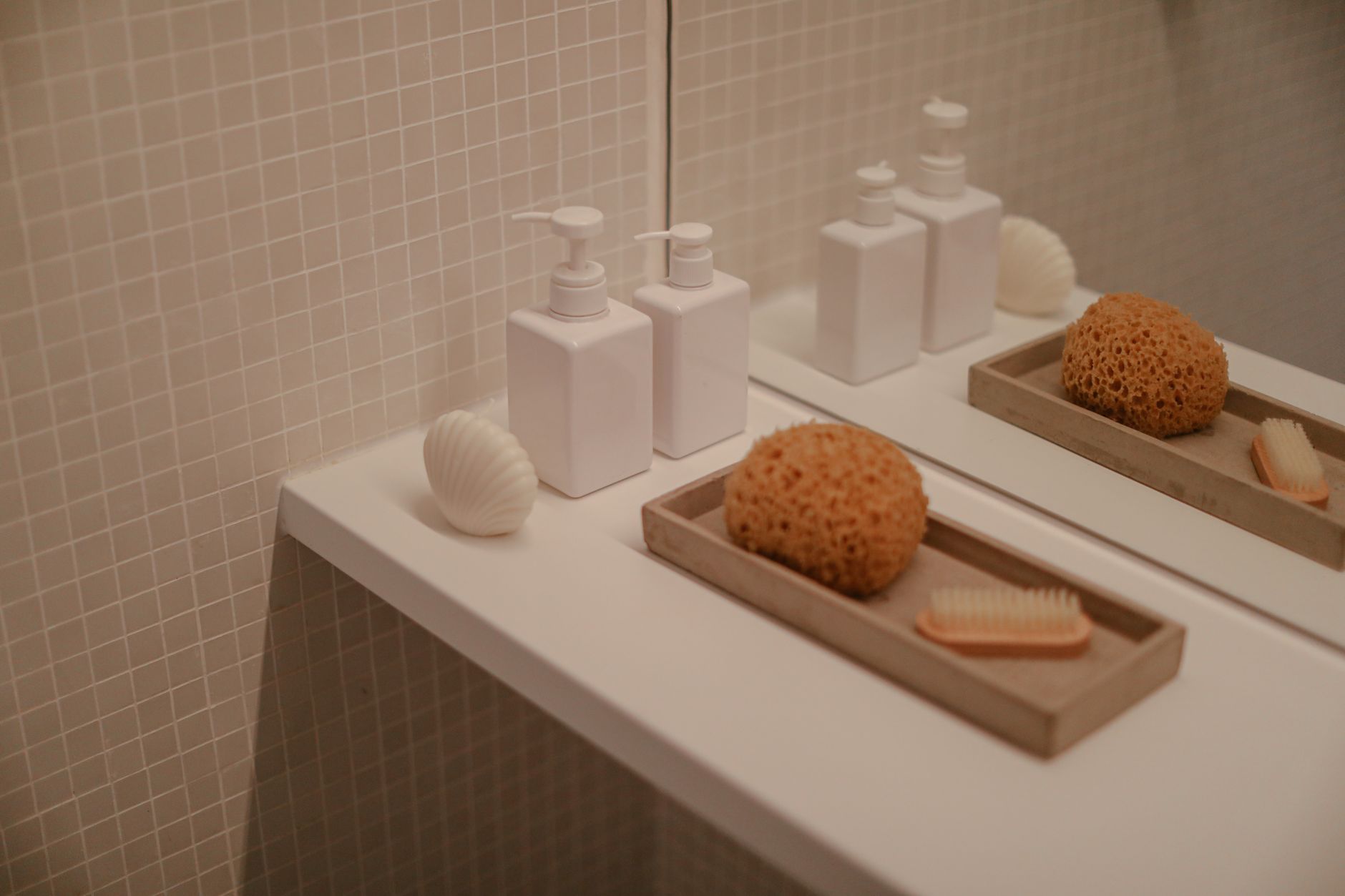
Understanding Sea Sponges: A Natural Cleaning Tool
Sea sponges have been used for hygiene and cleaning for centuries. Their porous structure and natural enzymes make them absorbent, gentle, and surprisingly effective at removing dirt and grime. Unlike synthetic sponges, sea sponges are biodegradable and a sustainable alternative to plastic-based products. The question, ” Can you put soap on a sea sponge?” often stems from concerns about damaging this natural wonder.

Is distilled water good for goldfish?
What colours are fish most attracted to?
Is methylene blue anti bacterial?
Does aquarium salt raise pH in aquarium?
Benefits of Using Soap with Sea Sponges
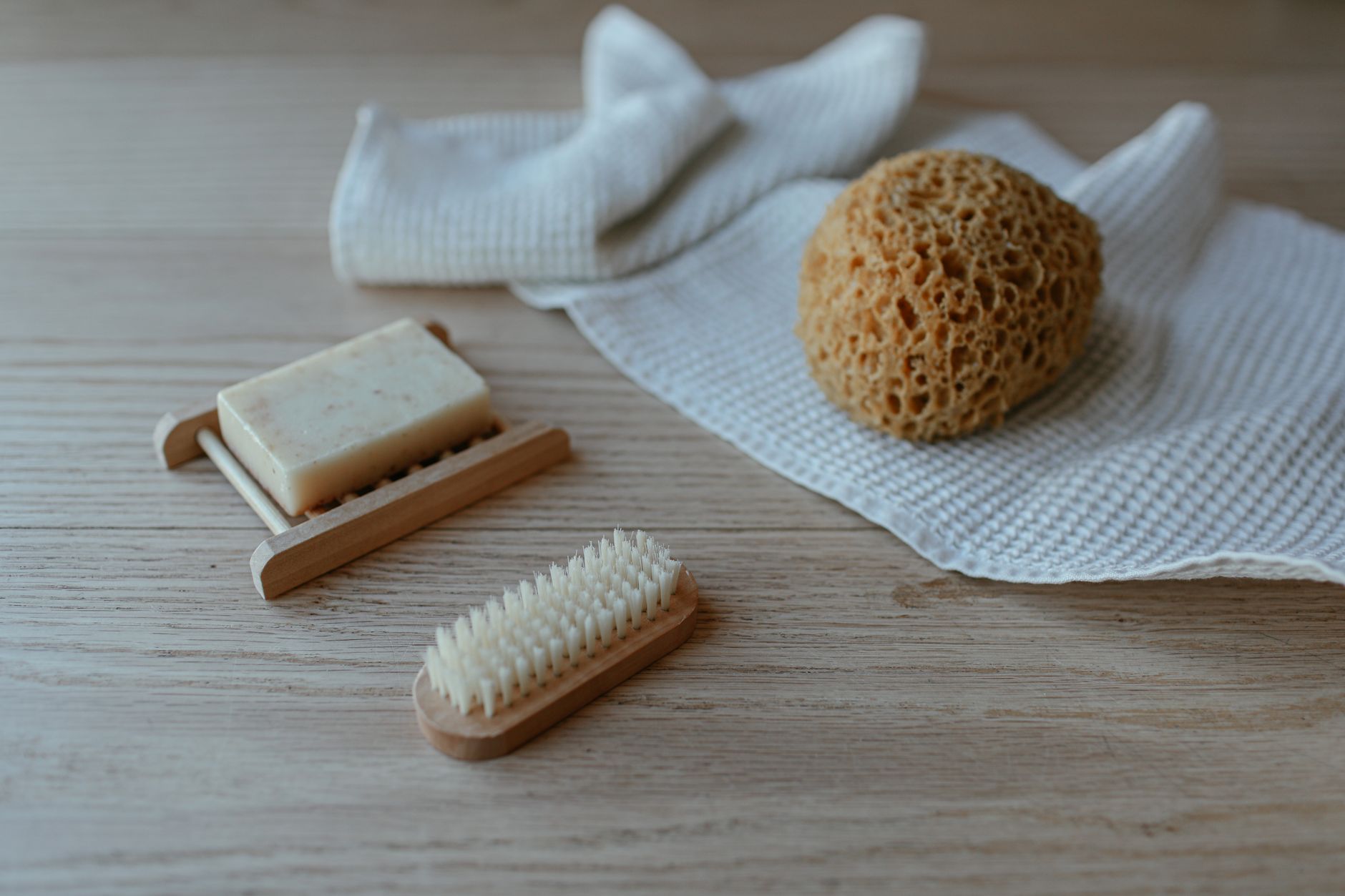
- Enhanced Cleaning: Soap, when used correctly, helps to break down oils and grime, allowing the sea sponge to effectively remove them from your skin or surfaces.
- Improved Hygiene: Using soap in conjunction with a sea sponge can help prevent the buildup of bacteria within the sponge itself, promoting a more hygienic cleaning experience.
- Extended Lifespan: Contrary to common misconceptions, some soaps, when used correctly and followed by proper rinsing, can actually help maintain the sponge’s integrity and extend its lifespan.
Choosing the Right Soap
Not all soaps are created equal, and the type of soap you use on a sea sponge significantly impacts its health and longevity. Harsh chemicals and synthetic fragrances can damage the delicate fibers of the sponge, causing it to deteriorate quickly.
- Ideal Soaps: Opt for mild, natural soaps with minimal additives. Look for options specifically labeled as “gentle,” “hypoallergenic,” or “for sensitive skin.” Liquid soaps are often easier to rinse out thoroughly than bar soaps.
- Soaps to Avoid: Steer clear of soaps containing:
- Harsh chemicals (e.g., sulfates, parabens)
- Artificial fragrances and dyes
- Abrasives or exfoliants
Proper Usage and Cleaning Process
Knowing can you put soap on a sea sponge? is just the first step. Knowing how to use soap with the sponge correctly is just as important.
- Wet the Sponge: Thoroughly wet the sea sponge with warm water.
- Apply Soap: Add a small amount of your chosen mild soap to the sponge. Gently squeeze the sponge to distribute the soap throughout its pores.
- Cleanse: Use the soapy sponge to cleanse your body or the surface you are cleaning, using gentle circular motions.
- Rinse Thoroughly: This is the most crucial step. Rinse the sponge under running water until all traces of soap are gone. Squeeze the sponge gently to remove excess water.
- Air Dry: Allow the sponge to air dry completely in a well-ventilated area. Avoid leaving it in a damp environment, as this can promote bacterial growth.
Common Mistakes to Avoid
- Using Too Much Soap: Excessive soap can be difficult to rinse out, leading to residue buildup and premature deterioration of the sponge.
- Using Harsh Chemicals: Harsh chemicals can damage the delicate fibers of the sponge, shortening its lifespan.
- Improper Rinsing: Failing to rinse the sponge thoroughly leaves soap residue, which can attract bacteria and break down the sponge’s structure.
- Storing Wet: Storing a wet sponge in a damp environment promotes bacterial growth and mildew.
Comparing Soap Types for Sea Sponges
| Soap Type | Suitability | Advantages | Disadvantages |
|---|---|---|---|
| Mild Liquid Soap | Excellent | Easy to rinse out, gentle on the sponge, often formulated with natural ingredients. | May require more frequent reapplication. |
| Natural Bar Soap | Good | Often contains fewer harsh chemicals, can be long-lasting. | Can leave residue if not rinsed thoroughly. |
| Castile Soap | Very Good | Versatile, biodegradable, and gentle. | Can be drying if used in excess. |
| Harsh Detergents | Poor | Effective at cleaning, but damaging to the sponge and potentially irritating to the skin. | Shortens lifespan, can cause discoloration and structural damage. |
| Exfoliating Soaps | Poor | Abrasive particles can damage the sponge’s delicate fibers. | Can wear down the sponge quickly. |
Longevity and Care
With proper care, a sea sponge can last for months or even years. Regular cleaning, proper storage, and avoiding harsh chemicals are key to maximizing its lifespan. If you see signs of deterioration, such as discoloration, crumbling, or a foul odor, it’s time to replace the sponge.
Frequently Asked Questions (FAQs)
How often should I clean my sea sponge?
You should rinse your sea sponge thoroughly after each use with fresh, clean water. Additionally, you should sanitize it weekly by soaking it in a solution of water and either vinegar, baking soda, or a mild bleach solution.
Can I use dish soap on a sea sponge?
Generally, it’s not recommended to use dish soap on a sea sponge, especially if you are using it for personal hygiene. Most dish soaps are formulated to cut through grease and contain harsh chemicals that can damage the sponge’s delicate structure and irritate your skin.
How can I disinfect my sea sponge naturally?
You can disinfect your sea sponge naturally by soaking it in a solution of warm water and white vinegar (1 part vinegar to 3 parts water) for about 15-20 minutes. Alternatively, you can use a solution of warm water and baking soda (1 tablespoon of baking soda per cup of water). Be sure to rinse thoroughly afterwards.
Will soap damage my sea sponge?
Using the wrong type of soap or not rinsing the sponge properly can damage it over time. However, mild, natural soaps, used sparingly and followed by thorough rinsing, are generally safe and can even help to keep the sponge clean. So, can you put soap on a sea sponge? Yes, but be careful about the type of soap used.
How do I store my sea sponge properly?
After rinsing, squeeze out excess water and allow the sponge to air dry completely in a well-ventilated area. Avoid storing it in a damp or enclosed space, which can promote bacterial growth. You can also store it in a mesh bag to allow for better air circulation.
How long does a sea sponge typically last?
With proper care, a sea sponge can last anywhere from several months to a couple of years. Factors that affect its lifespan include the frequency of use, the type of soap used, and the quality of care it receives. If you notice any signs of deterioration, it’s time to replace the sponge.
Can I use a sea sponge on my face?
Yes, sea sponges are gentle enough to use on your face, especially if you have sensitive skin. Just be sure to use a mild soap and avoid scrubbing too hard.
What are the environmental benefits of using a sea sponge?
Sea sponges are a sustainable and biodegradable alternative to synthetic sponges. They are a renewable resource that is harvested responsibly, making them an environmentally friendly choice.
Is it normal for my sea sponge to have a slight odor?
A slight ocean-like odor is normal for sea sponges, especially when wet. However, if the odor becomes strong or foul, it could indicate bacterial growth, and the sponge should be thoroughly cleaned or replaced.
Can I boil my sea sponge to sanitize it?
Boiling is not recommended as it can damage the delicate fibers of the sea sponge and shorten its lifespan. Gentler methods like soaking in vinegar or baking soda solutions are more effective and less damaging.
What are the different types of sea sponges?
There are several types of sea sponges, including:
- Honeycomb Sponges: Known for their soft texture and absorbent qualities.
- Wool Sponges: More dense and durable than honeycomb sponges.
- Grass Sponges: Firmer and more abrasive, ideal for exfoliation.
- Yellow Sponges: More economical and used for a variety of cleaning tasks.
Can you put soap on a sea sponge? if the sponge has a cut or tear?
If your sea sponge has a cut or tear, it’s generally still safe to use, provided you clean it thoroughly and regularly. The damage might make it more prone to harboring bacteria, so extra care in rinsing and drying is essential. However, significant damage might indicate it’s time for a replacement, even if you clean it and use soap carefully.