

Can You Pet a Finch? Unveiling the Truth
The answer is a nuanced “maybe.” While most finches aren’t cuddly pets, gentle interaction and building trust can lead to limited, positive experiences beyond simple observation.

Understanding Finch Personality and Behavior
Finches, unlike parrots or cockatiels, are generally not considered affectionate birds. They belong to the Passeriformes order, which includes songbirds known for their vibrant colors and melodious chirps but not necessarily for physical interaction with humans. Their small size and inherent skittishness make handling them a delicate and potentially stressful process. Understanding their natural instincts is crucial before attempting any kind of petting.

Is distilled water good for goldfish?
What colours are fish most attracted to?
Can you put your finger in a trout's mouth?
Is methylene blue anti bacterial?
Why Finches Aren’t Typically “Pet Birds”
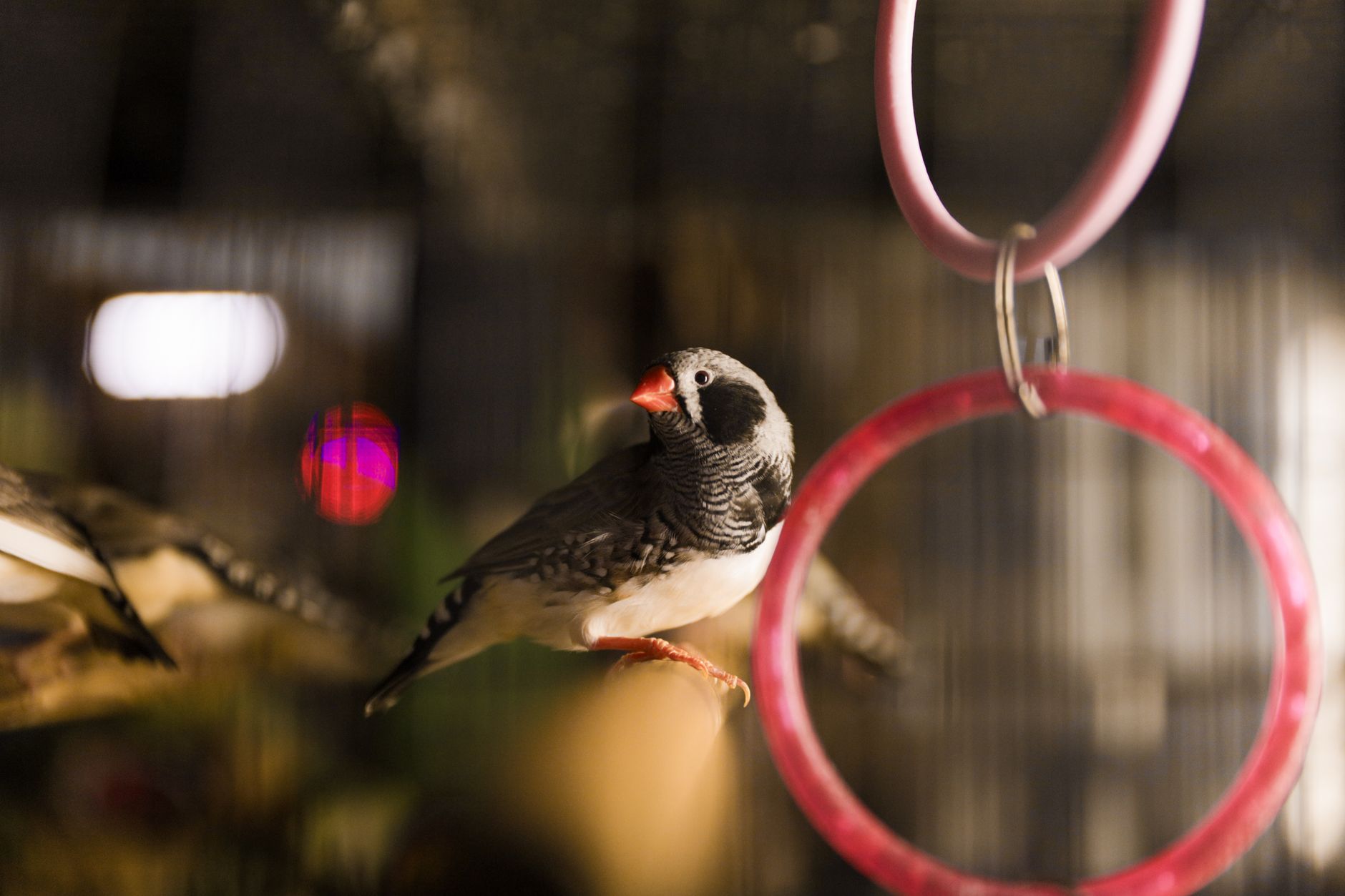
Several factors contribute to why finches aren’t typically considered “pet birds” in the same way as other companion animals:
- Stress Sensitivity: Finches are easily stressed. Handling can trigger anxiety, leading to feather plucking, suppressed immune systems, and even premature death.
- Small Size and Fragility: Their tiny bodies are incredibly fragile. Accidental squeezing or rough handling can cause serious injury.
- Flocking Instincts: Finches thrive in flocks and derive comfort from their social interactions. Isolating them for individual attention can be detrimental to their well-being.
- Limited Cognitive Abilities: While intelligent, finches don’t possess the same capacity for bonding and complex interaction as parrots or some other bird species.
Building Trust and Positive Associations
While a full-on “petting” session might be unrealistic, you can build trust and create positive associations with your finches through consistent and gentle interaction:
- Consistent Presence: Spend time near the cage, talking softly and observing their behavior.
- Positive Reinforcement: Offer treats like millet sprays or fresh greens through the cage bars.
- Open Cage Door (Under Supervision): Allow the finches to explore their environment outside the cage, under strict supervision to prevent escape or injury.
- Hand-Feeding (Advanced): With patience, some finches may learn to accept treats from your hand. This requires a slow and gradual approach.
The “Hand Method” of Interaction
The “hand method” is about acclimating your finch to your presence and scent. The goal is not necessarily to physically pet them, but to make them comfortable enough to approach your hand:
- Start Slow: Begin by simply placing your hand near the cage for short periods each day.
- Offer Treats: Gradually introduce millet sprays or other favorite treats in your hand, close to the bars.
- Open the Cage: Once the finches seem comfortable, open the cage door and hold your hand with treats inside.
- Be Patient: It may take weeks or even months for a finch to approach your hand.
- Never Force Interaction: If the finch seems scared or uncomfortable, retreat and try again later.
Common Mistakes to Avoid
Attempting to force a finch to interact with you will only lead to stress and fear. Avoid these common mistakes:
- Chasing the finches: Never chase them around the cage or try to grab them.
- Loud noises or sudden movements: Maintain a calm and quiet demeanor.
- Ignoring their body language: Pay attention to their posture and vocalizations. If they’re puffed up, breathing heavily, or chirping frantically, they’re stressed.
- Using the wrong treats: Offer only healthy and appropriate treats in moderation.
- Giving up too easily: Building trust takes time and patience.
Alternatives to Physical Petting
Since physical petting is generally discouraged, consider these alternative ways to bond with your finches:
- Create a Stimulating Environment: Provide a spacious cage with plenty of toys, perches, and enrichment activities.
- Observe Their Behavior: Learn to recognize their individual personalities and preferences.
- Provide High-Quality Care: Ensure they have fresh food, water, and a clean living space.
- Enjoy Their Song: Appreciate their beautiful vocalizations and vibrant colors.
Understanding Finch Body Language
Learning to interpret your finch’s body language is essential to knowing when they are comfortable and when they are stressed. Some key signs to watch for include:
| Body Language | Meaning |
|---|---|
| Relaxed posture | Calm, comfortable |
| Puffed up feathers | Cold, sick, or stressed |
| Rapid breathing | Scared, overheated, or respiratory issue |
| Feather plucking | Stress, boredom, or nutritional deficiency |
| Chirping softly | Contentment, communication |
| Loud, frantic chirping | Distress, alarm |
Frequently Asked Questions
What is the best way to approach a new finch?
The best approach is to be patient and unobtrusive. Give your new finches time to adjust to their surroundings. Avoid sudden movements or loud noises. Observe them from a distance and allow them to acclimate to your presence before attempting any interaction. Focus on providing a comfortable and stimulating environment.
Can all finch species be trained to come to your hand?
While some individual finches may be more receptive to training than others, generalizing across species is difficult. Some species, like Gouldian finches, may be more skittish than others, like Zebra finches. Success depends largely on the individual bird’s temperament and your dedication to consistent, positive reinforcement.
Is it cruel to try to handle a finch at all?
It’s not inherently cruel to attempt gentle interaction, but it can quickly become cruel if the finch exhibits signs of stress. Always prioritize their well-being and discontinue any interaction that causes them discomfort. Forced handling is never acceptable.
What kind of treats do finches like best?
Finches generally enjoy millet sprays, small pieces of fruit (like apple or banana), and fresh greens (like spinach or kale). Always offer treats in moderation as part of a balanced diet. Be sure to research safe foods for finches, as some common human foods can be toxic to birds.
How often should I interact with my finches?
Short, frequent interactions are generally better than long, infrequent ones. Aim for a few minutes of quiet observation and gentle interaction each day. Consistency is key to building trust.
What if my finch bites me?
A finch bite is unlikely to be painful, but it’s a clear sign that they’re uncomfortable. If a finch bites you, stop the interaction immediately and reassess your approach. Consider what might have triggered the bite and avoid repeating that action.
Can finches learn tricks like parrots?
While finches aren’t as trainable as parrots, they can learn simple tasks like coming to your hand or stepping onto a perch on command. This requires patience, consistency, and positive reinforcement. However, their limited cognitive abilities mean that complex tricks are unlikely.
Are some finches more friendly than others?
Yes, individual finches can have varying personalities. Some may be naturally more curious and approachable than others. Observe your finches carefully to understand their individual temperaments and adjust your approach accordingly.
What is the best time of day to interact with my finches?
Early mornings or late afternoons are often good times to interact with finches, as they tend to be most active during these periods. Avoid interacting with them when they’re sleeping or appear tired.
How can I tell if my finch is happy?
Signs of a happy finch include active behavior, healthy appetite, bright eyes, smooth feathers, and cheerful chirping. They will also interact with their cage mates and explore their environment.
My finch seems scared of me. What can I do?
Give your finch space and time to adjust. Avoid direct eye contact and move slowly and deliberately around the cage. Offer treats from a distance and gradually decrease the distance as they become more comfortable. Patience is essential.
Is it possible to “over-bond” with a finch?
While “over-bonding” might not be the correct term, it is possible to stress a finch by constantly seeking their attention. Finches need their space and independence. Respect their boundaries and avoid forcing interaction. Remember, observation and providing excellent care are important expressions of affection, too.