
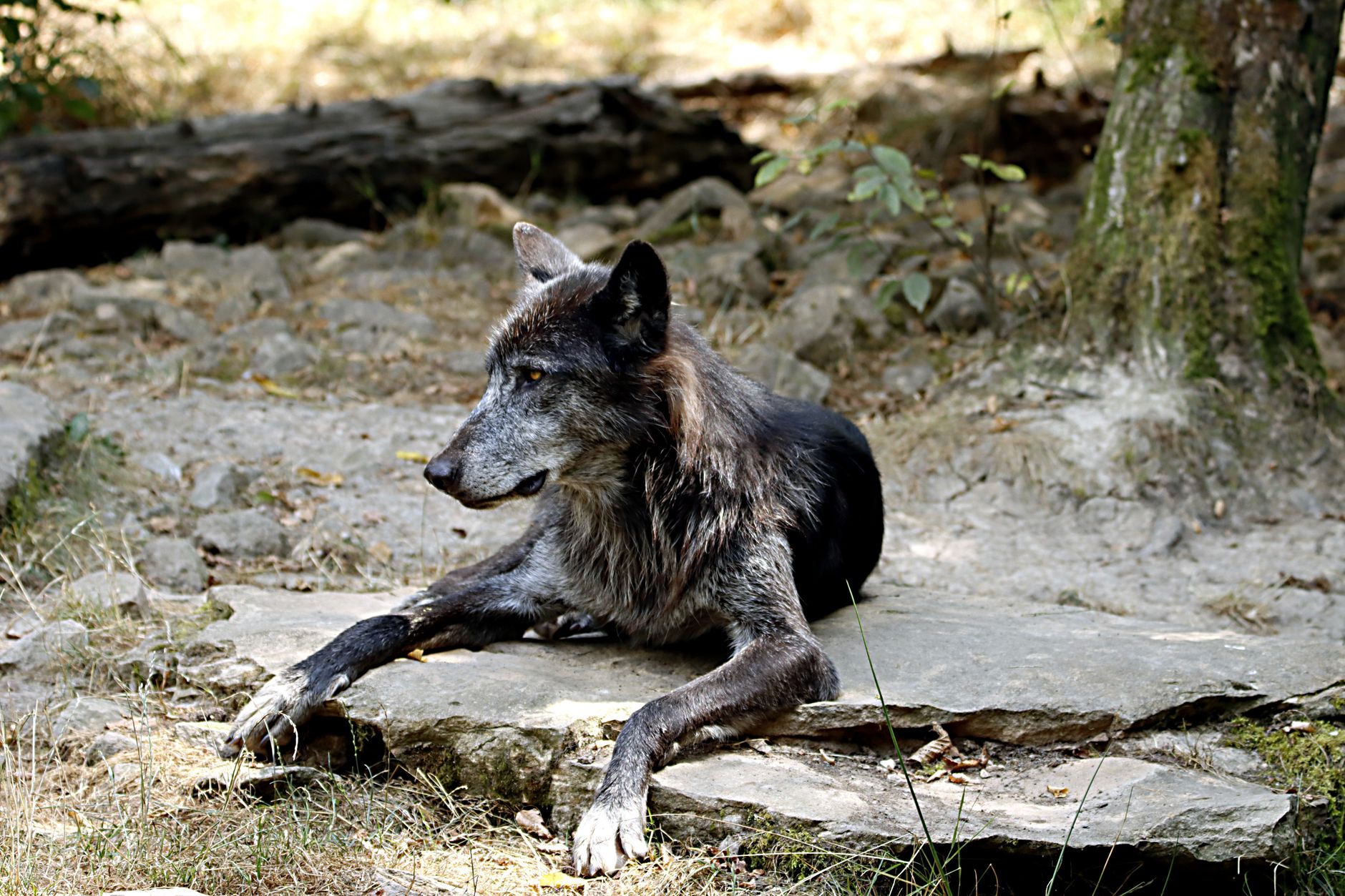
Can You Own a Wolf in Colorado?: Understanding the Laws and Realities
No, you cannot legally own a pure wolf in Colorado. While owning wolf-dog hybrids is permitted under certain conditions, owning a true wolf is strictly prohibited due to wildlife regulations and safety concerns.
Introduction: The Allure and Restrictions of Wolf Ownership
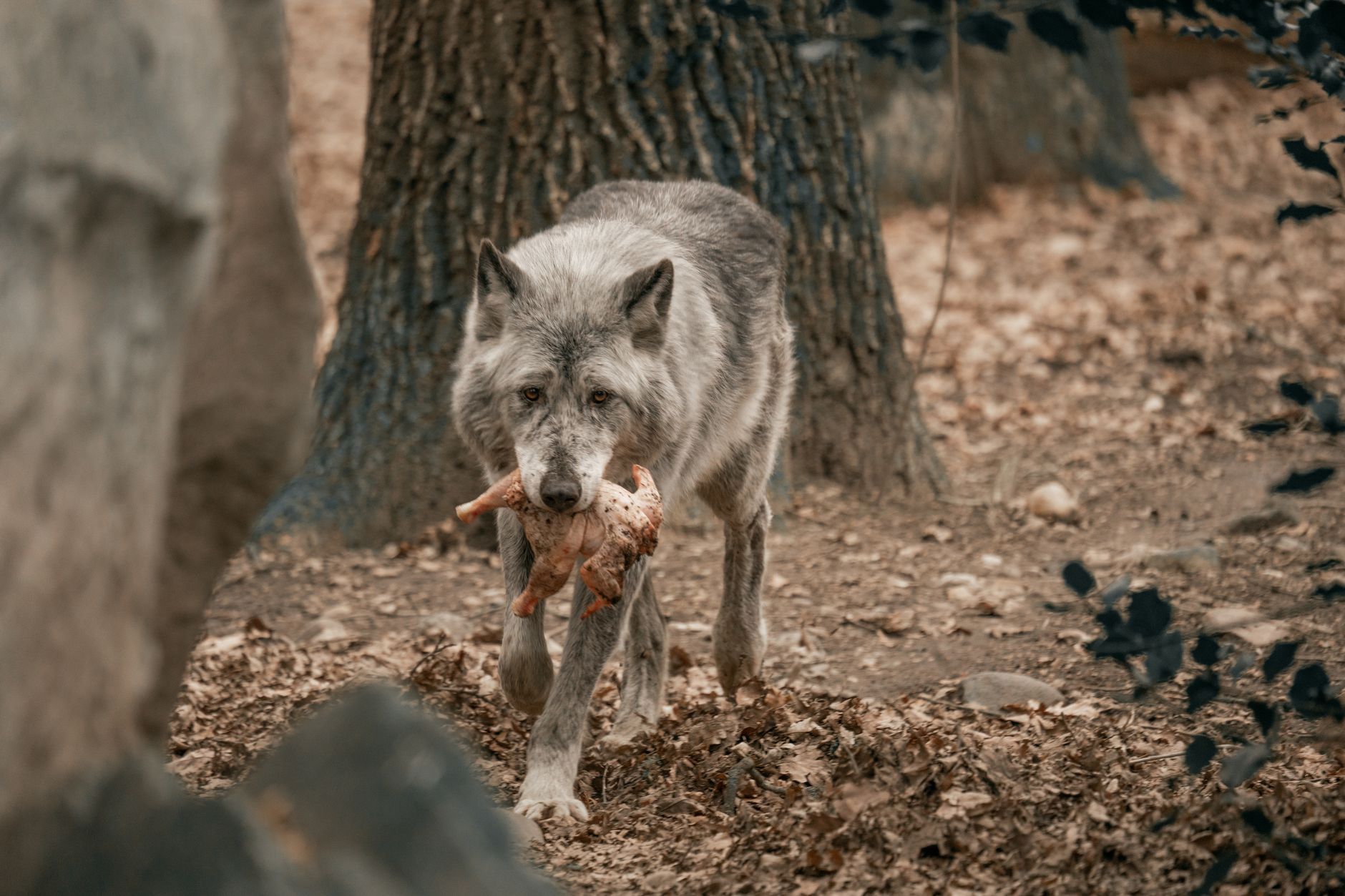
The mystique of the wolf, a symbol of wilderness and untamed nature, has long captivated the human imagination. This fascination often leads to the question: Can you own a wolf in Colorado? The answer, however, is complex and rooted in a web of legal, ethical, and practical considerations. While the idea of sharing your life with such a magnificent creature may seem appealing, Colorado law, driven by concerns for public safety and the well-being of the animals themselves, strictly regulates, and mostly prohibits, wolf ownership. This article will delve into the specifics of these regulations, explore the implications of owning wolf-dog hybrids, and address common misconceptions surrounding wolf ownership in Colorado.

What colours are fish most attracted to?
Can you put your finger in a trout's mouth?
Is methylene blue anti bacterial?
Does aquarium salt raise pH in aquarium?
Understanding Colorado’s Wildlife Regulations
Colorado Parks and Wildlife (CPW) is the governing body responsible for managing and regulating wildlife within the state. Their regulations are designed to protect both native species and the public. Understanding these regulations is crucial for anyone considering bringing any animal, especially one with wild origins, into their home.
- Pure Wolves Prohibited: CPW regulations specifically prohibit the ownership of pure wolves. This prohibition stems from the inherent dangers associated with these animals, their unpredictable behavior, and the difficulty in providing them with the appropriate care and environment.
- Wolf-Dog Hybrids: A Grey Area: While pure wolves are illegal, the status of wolf-dog hybrids (animals with a percentage of wolf ancestry) is more nuanced. Colorado law does not explicitly prohibit wolf-dog ownership, but local ordinances and breed-specific legislation often place significant restrictions on them.
- Permitting Requirements: Even where wolf-dog hybrids are permitted, obtaining the necessary permits and complying with local regulations can be a complex process. These requirements often include secure enclosures, specific insurance coverage, and registration with local authorities.
The Realities of Wolf and Wolf-Dog Hybrid Ownership
Owning any animal is a significant responsibility, but owning a wolf or wolf-dog hybrid presents unique challenges that many people are ill-prepared for. Understanding these realities is essential before considering such a decision.
- Behavioral Challenges: Wolves and wolf-dog hybrids retain many of their wild instincts, which can manifest as destructive behaviors, aggression, and difficulty in training. They require specialized handling and a deep understanding of canine ethology.
- Environmental Needs: These animals need large, secure enclosures that mimic their natural habitat. Providing adequate space and enrichment can be costly and demanding.
- Veterinary Care: Finding veterinarians experienced in treating wolves and wolf-dog hybrids can be difficult, and their medical needs may differ from those of domestic dogs.
- Socialization: Wolves and wolf-dog hybrids require extensive socialization from a young age to prevent fear and aggression. Failure to properly socialize them can lead to serious behavioral problems.
Local Ordinances and Breed-Specific Legislation
While Colorado law does not explicitly prohibit wolf-dog ownership, it’s crucial to remember that local cities and counties can impose their own restrictions. This means that even if wolf-dog hybrids are technically legal under state law, they may be prohibited or heavily regulated within your specific municipality.
- Checking Local Regulations: Before considering owning a wolf-dog hybrid, you must contact your local animal control or city/county government to determine if there are any breed-specific regulations or ordinances that would prohibit or restrict ownership.
- Homeowners Associations (HOAs): Even if allowed by local law, many HOAs have breed restrictions that could prohibit wolf-dog ownership. Check your HOA bylaws carefully.
Ethical Considerations: Is Ownership Justifiable?
Beyond the legal and practical considerations, there are significant ethical questions surrounding wolf and wolf-dog hybrid ownership. The welfare of the animal should always be the top priority.
- Quality of Life: Can a wolf or wolf-dog hybrid truly thrive in a domestic environment? Are you able to meet their complex behavioral and environmental needs?
- Conservation Concerns: Supporting the breeding of wolf-dog hybrids can detract from efforts to conserve wild wolf populations and may contribute to genetic contamination of wild wolf genes.
- Public Safety: Even well-socialized wolf-dog hybrids can pose a risk to the public. Are you prepared to accept responsibility for any injuries or damage they may cause?
The Misconceptions Surrounding Wolf-Dog Hybrids
Popular culture often romanticizes wolf-dog hybrids, portraying them as loyal and majestic companions. However, this portrayal is often inaccurate and can lead to unrealistic expectations.
- They are not simply “bigger, fluffier dogs.” Their genetics and instincts are significantly different from domestic dogs.
- They are not inherently dangerous, but their behavior is unpredictable. Their wild instincts can surface even in well-trained individuals.
- Their appearance is not a reliable indicator of their behavior. A wolf-dog hybrid’s appearance can vary greatly depending on its lineage, making it difficult to assess its potential behavior based solely on its looks.
Alternatives to Wolf Ownership: Supporting Conservation Efforts
If your fascination with wolves stems from a desire to connect with nature and support wildlife conservation, there are numerous alternatives to owning one.
- Volunteer at a Wildlife Sanctuary: Many wildlife sanctuaries and rescue organizations offer opportunities to work with wolves and other animals in a safe and ethical environment.
- Support Wolf Conservation Organizations: Donate to organizations that are working to protect wolf populations and their habitats.
- Visit Zoos and Wildlife Centers: Observe wolves in naturalistic enclosures and learn about their biology and behavior from experts.
Frequently Asked Questions (FAQs)
Can you own a wolf in Colorado?
No, it is illegal to own a pure wolf in Colorado. State law prohibits private ownership of wild animals like wolves, due to public safety and animal welfare concerns.
What is the difference between a wolf and a wolf-dog hybrid?
A pure wolf is a wild animal that has not been bred with domestic dogs. A wolf-dog hybrid is a cross between a wolf and a domestic dog. The percentage of wolf ancestry can vary greatly, impacting the animal’s behavior and temperament.
Are wolf-dog hybrids legal in Colorado?
Colorado law does not explicitly prohibit wolf-dog hybrids statewide, but local ordinances and breed-specific legislation often place restrictions or prohibitions on them. You must check with your local government for specific regulations.
What kind of enclosure is needed for a wolf-dog hybrid?
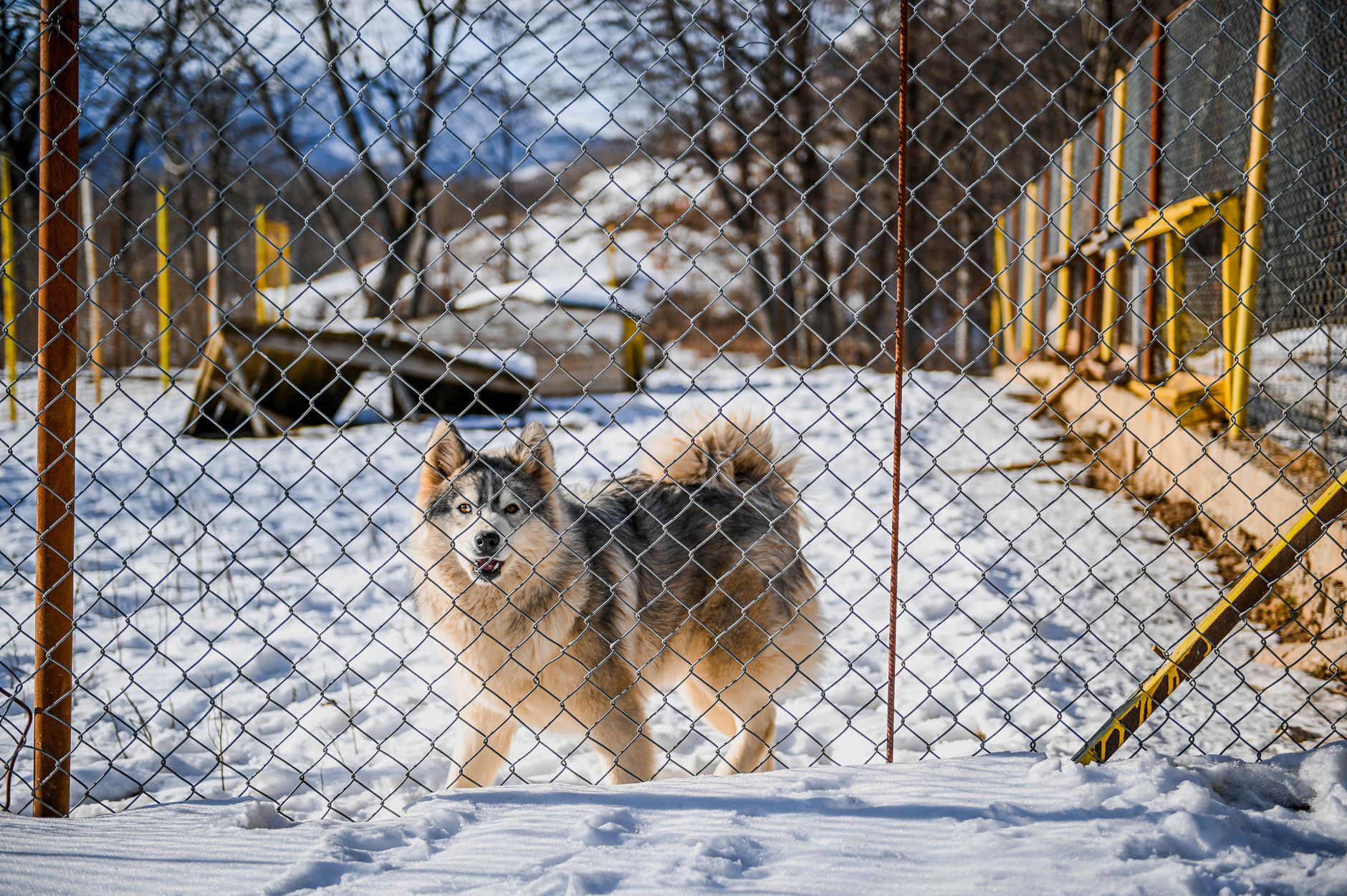
If legal in your area, a secure and spacious enclosure is essential for a wolf-dog hybrid. The enclosure should be tall enough to prevent escape, have a dig-proof barrier, and provide ample space for the animal to exercise and exhibit natural behaviors.
What are the potential dangers of owning a wolf-dog hybrid?
Wolf-dog hybrids can be unpredictable and potentially dangerous due to their wild instincts. They may exhibit aggressive behaviors towards strangers, other animals, or even their owners, particularly if they are not properly socialized and trained.
What kind of training is required for a wolf-dog hybrid?
Wolf-dog hybrids require specialized training that goes beyond basic obedience. They need early socialization and consistent, experienced handling to manage their complex behaviors. Traditional dog training methods may not be effective.
Do wolf-dog hybrids make good pets?
Generally, no. Wolf-dog hybrids are not suitable pets for most people. Their unique needs and challenging behaviors require a significant commitment of time, resources, and expertise that few individuals can provide.
Are there any specific permits required to own a wolf-dog hybrid in Colorado?
This depends on your locality. Always consult your local animal control or government to determine if there are specific permitting requirements for owning a wolf-dog hybrid in your area. These requirements may include registration, insurance, and proof of secure confinement.
Where can I find a wolf-dog hybrid in Colorado?
Rescues and shelters occasionally have wolf-dog hybrids available for adoption. However, it’s important to thoroughly research the animal’s history and temperament before considering adoption and ensure it is legal in your area. Be extremely cautious of breeders offering “low-content” wolfdogs.
What are the legal consequences of owning a wolf in Colorado?
Owning a pure wolf in Colorado is a violation of state wildlife laws and can result in significant fines, confiscation of the animal, and even criminal charges.
How can I tell if an animal is a pure wolf or a wolf-dog hybrid?
Determining an animal’s genetic makeup can be challenging. DNA testing is the most reliable way to determine the percentage of wolf ancestry. Physical appearance is not a reliable indicator, as wolf-dog hybrids can vary greatly in appearance.
What should I do if I suspect someone is illegally owning a wolf in Colorado?
If you suspect someone is illegally owning a wolf, contact Colorado Parks and Wildlife (CPW) immediately. Providing them with as much information as possible, such as the location and description of the animal, will help them investigate the situation. It’s best to not approach the individual directly.