
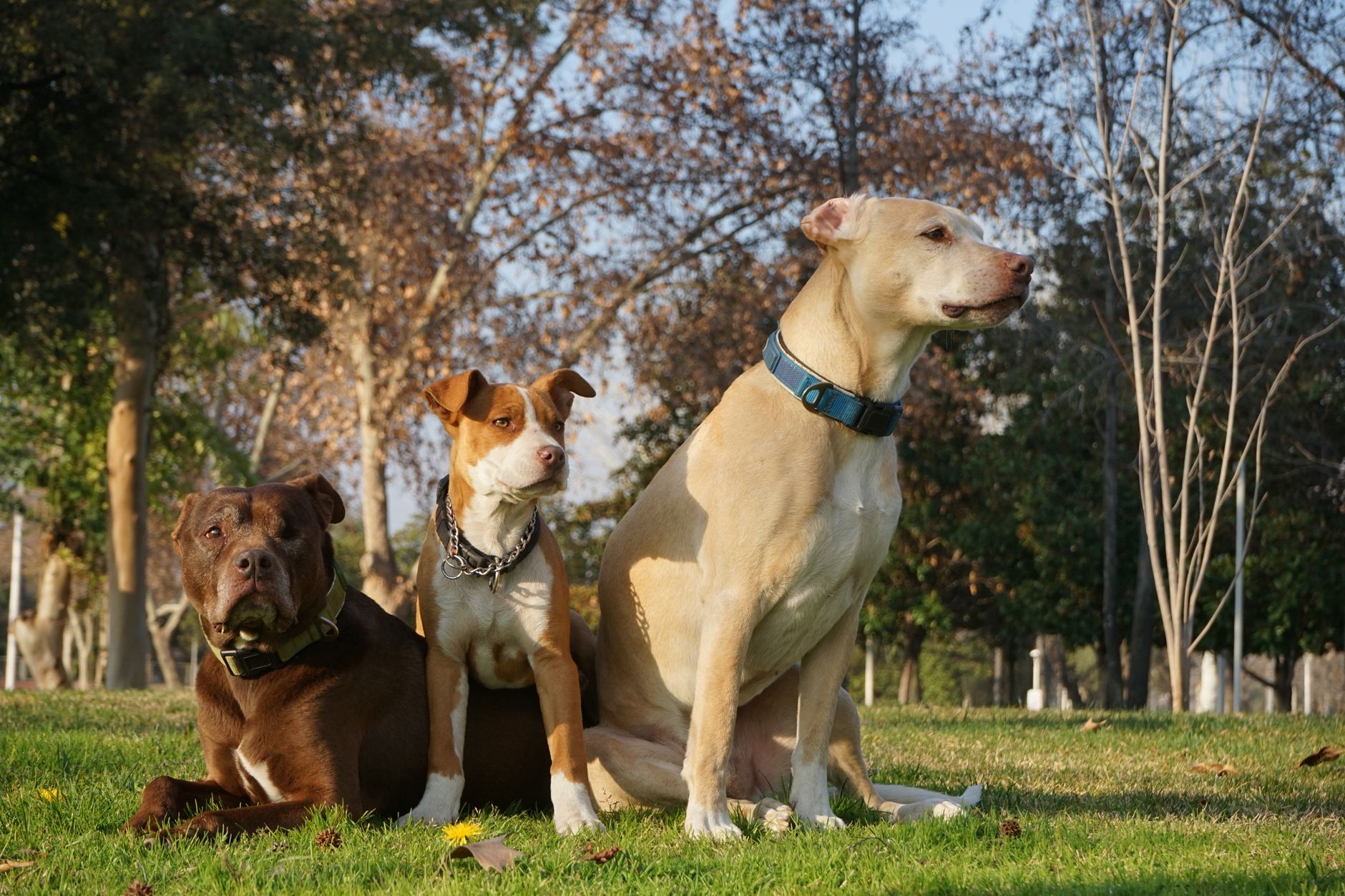
Can You Mix a Red Nose and Blue Nose Pitbull?: Understanding the Genetics
The answer is a resounding yes. You absolutely can mix a red nose and blue nose pitbull, as they are both variations within the American Pit Bull Terrier breed, not separate breeds themselves.

Understanding the American Pit Bull Terrier and Nose Color
The American Pit Bull Terrier (APBT) is a breed known for its strength, loyalty, and intelligence. While commonly associated with specific colorations, it’s crucial to understand that “red nose” and “blue nose” are simply variations in pigmentation within the breed. They do not denote distinct breeds.
Is distilled water good for goldfish?
What colours are fish most attracted to?
Can you put your finger in a trout's mouth?
Does aquarium salt raise pH in aquarium?
The Genetics Behind Nose Color

Nose color in Pit Bulls, like coat color, is determined by genetics. Specifically, it’s controlled by multiple genes, with the primary ones affecting melanin production – eumelanin (black pigment) and phaeomelanin (red/yellow pigment).
- Red Nose: The red nose phenotype is a result of a recessive gene that affects the production of eumelanin, leading to a copper-red coloration of the nose, lips, eye rims, and sometimes the coat.
- Blue Nose: Similarly, the blue nose is also a result of a recessive gene, but it’s a dilution gene that affects the production of eumelanin, resulting in a grayish-blue coloration of the nose, lips, eye rims, and sometimes the coat. This “blue” is essentially a diluted black.
Therefore, can you mix a red nose and blue nose pitbull? Genetically speaking, yes. Because both traits are controlled by recessive genes, understanding how these genes interact is key to predicting the potential offspring’s nose and coat colors.
Potential Outcomes of Mixing
When you mix a red nose and blue nose pitbull, the possible outcomes regarding nose color depend on the genetic makeup of each parent. Here’s a simplified overview:
- If both parents are homozygous for their respective traits: If the red nose parent carries two copies of the red nose gene (rr) and the blue nose parent carries two copies of the blue nose gene (bb), all offspring will inherit one copy of each gene (rb). These pups would likely appear with black noses (or a darker, more dominant color) as the carriers of both recessive genes.
- Subsequent generations: Breeding the rb carriers to each other could then produce offspring with red, blue, or black noses depending on the combination of genes inherited from each parent. The Punnett square below shows the theoretical outcomes of breeding two carrier Pit Bulls.
| b | r | |
|---|---|---|
| :—- | :—- | :—- |
| b | bb | br |
| r | br | rr |
Key:
- rr = Red Nose
- bb = Blue Nose
- br = Black Nose (carriers)
Considerations Beyond Nose Color
While nose color is an interesting aspect, responsible breeding involves far more than just aesthetic traits.
- Temperament: Focus on breeding dogs with stable temperaments to avoid perpetuating aggression or anxiety.
- Health: Prioritize the health and well-being of the dogs. Screen for common health issues in Pit Bulls, such as hip dysplasia, heart problems, and skin allergies.
- Ethical Responsibility: Consider the overpopulation of dogs in shelters and the importance of responsible pet ownership.
Common Mistakes
- Assuming “rare” equals “valuable”: Blue nose and red nose Pit Bulls are not inherently more valuable simply because of their color. Demand is often driven by novelty rather than true quality.
- Ignoring Temperament: Prioritizing color over temperament can lead to dangerous and unpredictable dogs.
- Lack of Health Testing: Breeding without proper health screening can perpetuate genetic problems within the breed.
Can you mix a red nose and blue nose pitbull ethically?
The most important thing to ask is this: Can you breed Pit Bulls ethically? Consider the responsible breeding practices mentioned above and focus on what is best for the animals and the breed.
Frequently Asked Questions (FAQs)
Are red nose and blue nose Pit Bulls more aggressive?
No. Nose color has absolutely no correlation to temperament or aggression. A dog’s temperament is influenced by genetics, training, socialization, and environment, not its nose color.
Are red nose and blue nose Pit Bulls rarer than other colors?
While they may appear less common in some areas, they are not inherently rarer than other colors. Their appearance depends on the frequency of the recessive genes within a specific population.
Are red nose and blue nose Pit Bulls considered separate breeds?
No. They are variations within the American Pit Bull Terrier breed. Breed standards focus on conformation, temperament, and health, not specific colorations.
What health problems are more common in red nose or blue nose Pit Bulls?
There is no evidence that red nose or blue nose Pit Bulls are inherently more prone to specific health problems compared to other Pit Bulls. However, poor breeding practices can lead to health issues regardless of nose color.
Does nose color affect a Pit Bull’s value?
Nose color may influence price due to supply and demand, but it shouldn’t be the primary factor in determining a dog’s value. A dog’s health, temperament, and lineage are far more important.
Is it ethical to breed solely for nose color?
No. Ethical breeding focuses on improving the overall health, temperament, and conformation of the breed, not just achieving a specific color.
How can I find a reputable breeder of red nose or blue nose Pit Bulls?
Look for breeders who prioritize health testing, temperament evaluation, and socialization. They should be knowledgeable about the breed and willing to answer your questions thoroughly. Visit their facilities and meet the parent dogs if possible.
What is the lifespan of a red nose or blue nose Pit Bull?
The lifespan of a Pit Bull, regardless of nose color, is typically 12-16 years. Factors such as genetics, diet, exercise, and veterinary care all play a role.
What are the grooming requirements for red nose and blue nose Pit Bulls?
Pit Bulls generally have short coats that require minimal grooming. Regular brushing, occasional bathing, and nail trimming are usually sufficient.
Are red nose and blue nose Pit Bulls good family dogs?
With proper socialization and training, Pit Bulls can be excellent family dogs. However, it’s important to remember that every dog is an individual, and temperament can vary.
What kind of training is best for red nose and blue nose Pit Bulls?
Positive reinforcement training methods are highly effective for Pit Bulls. Consistency, patience, and early socialization are key to developing a well-behaved dog.
What should I feed a red nose or blue nose Pit Bull?
Feed your Pit Bull a high-quality dog food that is appropriate for their age, size, and activity level. Consult with your veterinarian for specific recommendations.