
Can You Legally Own a Tank? Unveiling the Truth
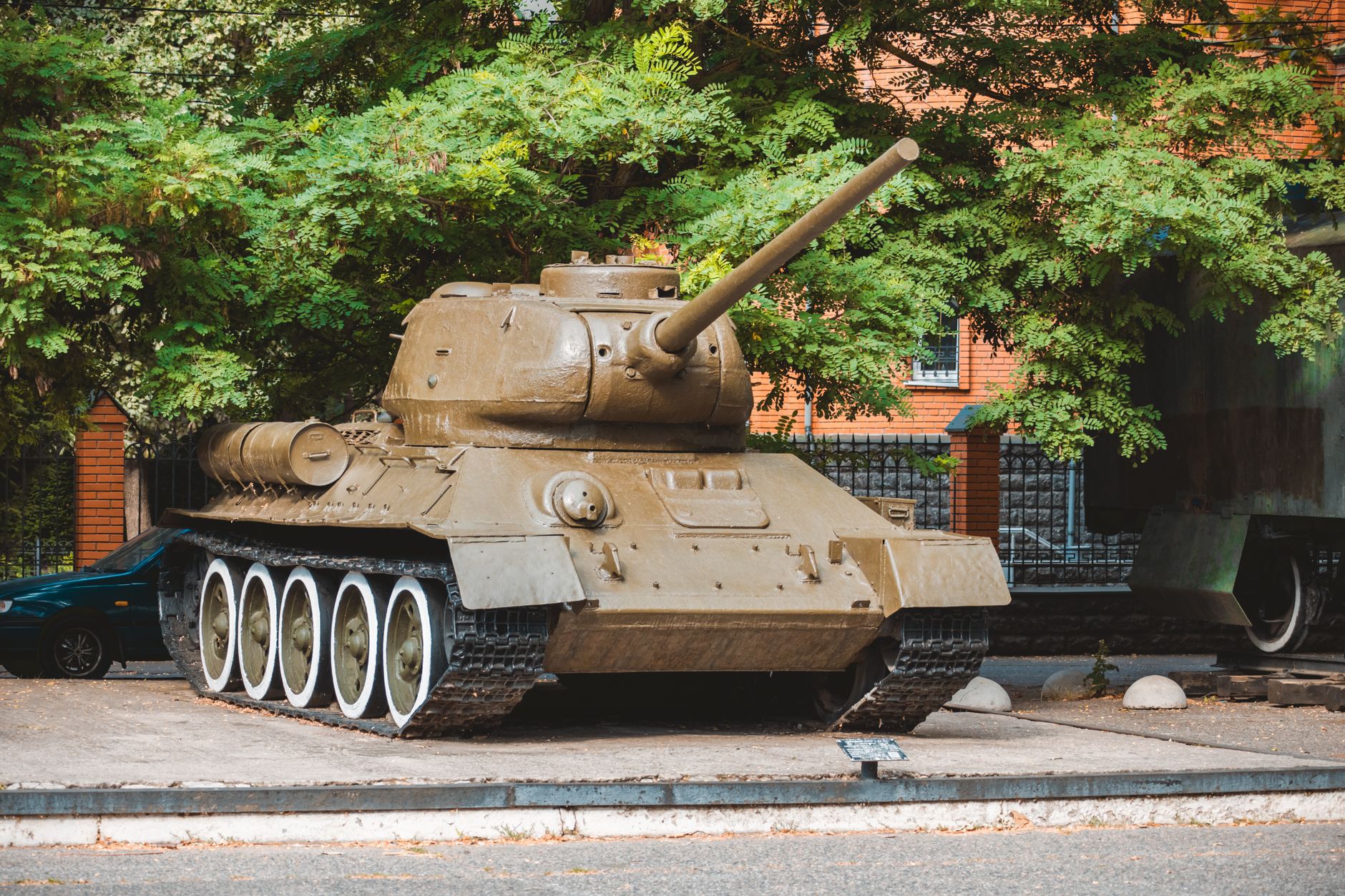
The answer is a resounding maybe. Can you legally own a tank? Yes, often. However, the specifics depend heavily on its armament and modifications.

A Historical Perspective on Tank Ownership
The allure of owning a piece of military history, a powerful symbol of engineering prowess, is undeniable. But how did these behemoths of the battlefield become available to civilians? Post-World War II, many tanks were decommissioned and sold as scrap metal. Some were repurposed for industrial or agricultural use. Over time, a niche market developed for restoring and collecting these armored vehicles. The regulations surrounding tank ownership, however, are complex and vary significantly based on the tank’s configuration.
What colours are fish most attracted to?
Can you put your finger in a trout's mouth?
Is methylene blue anti bacterial?
Does aquarium salt raise pH in aquarium?
What Defines a “Tank” Legally?

The crucial distinction lies in whether the vehicle is considered a “destructive device” under the National Firearms Act (NFA). A tank, in this context, is any self-propelled vehicle equipped with a weapon capable of firing a projectile with an explosive charge, or with a bore diameter of more than one-half inch. This definition applies if the weapon is still functional. Deactivated tanks, or those with non-functional main guns (e.g., welded shut), are generally not considered destructive devices.
The Process: Navigating Legal Requirements
If the tank is classified as a destructive device, owning it involves a multi-step process regulated by the Bureau of Alcohol, Tobacco, Firearms and Explosives (ATF):
- Identify the Tank’s Classification: Determine if the tank meets the NFA’s definition of a destructive device.
- ATF Form 4 Application: File an ATF Form 4 (“Application to Transfer and Register Firearm”) with the ATF. This requires detailed information about the tank, the seller, and the buyer.
- Background Check and Fingerprinting: Undergo a comprehensive background check and provide fingerprints.
- Law Enforcement Notification: Notify the chief law enforcement officer (CLEO) in your area of your intent to own the tank.
- $200 Tax Stamp: Pay a $200 transfer tax for each destructive device.
- Secure Storage: Provide proof of secure storage for the tank to prevent unauthorized access.
Deactivation: Rendering a Tank NFA-Exempt
Many enthusiasts opt to deactivate the main gun to avoid NFA regulations. Acceptable deactivation methods typically involve:
- Welding the Breech Closed: Permanently sealing the breech mechanism to prevent loading.
- Cutting the Barrel: Cutting a significant portion of the barrel and welding it shut.
- Filling the Barrel: Filling the barrel with a solid material, such as concrete or lead.
It is crucial to document the deactivation process thoroughly and consult with a qualified gunsmith or the ATF to ensure compliance with all regulations.
Common Mistakes and Pitfalls
- Assuming Deactivation is Enough: Some owners believe that simply removing the firing pin is sufficient. This is often not the case, and the ATF may still classify the tank as a destructive device.
- Ignoring State and Local Laws: Federal regulations are just the starting point. Many states and localities have their own restrictions on tank ownership, including outright bans.
- Improper Paperwork: Failing to complete the ATF Form 4 correctly can lead to delays or denial of the application.
- Unsecured Storage: Storing a tank in a way that allows unauthorized access can result in criminal charges.
Costs Associated with Tank Ownership
Beyond the initial purchase price (which can range from tens of thousands to millions of dollars), there are significant ongoing costs:
| Cost Category | Estimated Range | Notes |
|---|---|---|
| Purchase Price | $20,000 – $1,000,000+ | Varies based on condition, model, and historical significance. |
| Transportation | $1,000 – $10,000+ | Requires specialized equipment and permits. |
| Storage | $500 – $2,000+/month | Covered, secure storage is essential. |
| Maintenance | $1,000 – $10,000+/year | Includes parts, repairs, and regular servicing. |
| Fuel | $5 – $10+/gallon | Tanks consume a significant amount of fuel. |
| Insurance | $500 – $5,000+/year | Liability coverage is crucial. |
| Legal Fees (if NFA) | $200 + Attorney Fees | Cost of NFA tax stamp and consulting with an attorney regarding NFA compliance. |
Safety Considerations
Operating a tank is inherently dangerous. These vehicles are heavy, powerful, and difficult to maneuver. It is essential to obtain proper training and follow strict safety protocols to prevent accidents.
Alternatives to Owning a Functional Tank
For those who want to experience the thrill of driving a tank without the legal complexities, several alternatives exist:
- Tank Driving Experiences: Numerous companies offer tank driving experiences where you can operate a tank under supervision.
- Museums and Historical Sites: Many museums and historical sites display tanks and offer guided tours.
- Realistic Simulators: High-fidelity tank simulators provide a realistic and safe way to experience tank warfare.
Frequently Asked Questions (FAQs)
Is it legal to drive a tank on public roads?
Generally, no. Tanks are not street legal due to their size, weight, and lack of safety features. Some exceptions may exist with special permits and modifications, but these are rare. Check your state and local laws regarding the operation of tracked vehicles on public roads.
Do I need a special license to operate a tank?
Potentially, yes. While a standard driver’s license may not be required, you may need a commercial driver’s license (CDL) or a special permit, depending on the tank’s weight and your state’s regulations. Contact your local DMV to inquire about the specific requirements in your area.
What happens if I violate NFA regulations regarding my tank?
Violating the NFA can result in severe penalties, including fines, imprisonment, and forfeiture of the tank. It’s crucial to comply with all regulations to avoid legal trouble.
Can I own a tank if I have a felony conviction?
Generally, no. Individuals with felony convictions are typically prohibited from owning firearms, and destructive devices fall under this category. State laws may also have additional restrictions.
Are there any specific types of tanks that are easier to own than others?
Yes, older tanks that were never equipped with weapons meeting the NFA definition (e.g., some armored personnel carriers modified to appear like tanks) may be easier to own as they aren’t necessarily considered destructive devices. However, this depends on the exact configuration and applicable laws.
What documentation should I keep related to my tank?
Maintain meticulous records, including the bill of sale, ATF Form 4 (if applicable), documentation of any deactivation work, and insurance policies. This documentation can be invaluable in demonstrating compliance with regulations.
How can I find a reputable dealer who sells tanks?
Search online for military vehicle dealers and check their reputation by reading reviews and seeking recommendations from other collectors. Ensure the dealer is knowledgeable about NFA regulations and can assist you with the legal process.
Is it possible to export or import a tank?
Yes, but it’s complicated. Exporting and importing tanks are subject to strict regulations by the U.S. Department of State and other agencies. You will likely need an export/import license and must comply with all applicable laws and regulations.
What are the ethical considerations of owning a tank?
Some people may find the ownership of a war machine to be insensitive or inappropriate. Consider the potential impact on others and ensure you store and operate the tank responsibly.
Where can I find more information about tank ownership laws?
Consult with an attorney specializing in NFA law or contact the ATF directly. They can provide accurate and up-to-date information about the regulations in your area.
Can I use my tank for recreational purposes, like off-roading?
While legally possible in certain private locations, it’s important to be mindful of potential environmental damage and noise pollution. Obtain permission from landowners and avoid sensitive areas.
How does the Second Amendment apply to tank ownership?
The application of the Second Amendment to tank ownership is a complex legal question. The courts have generally held that the Second Amendment does not protect the ownership of military-grade weapons like tanks, especially those classified as destructive devices. However, this is an evolving area of law.