
Can You Hunt Badger in California? Untangling the Regulations
No, you cannot legally hunt badger in California. Badgers are a fully protected species in California, making hunting, trapping, or possessing them illegal under most circumstances.

California’s diverse wildlife draws both fascination and concern. Among its native species, the American badger holds a unique place. Understanding its protected status and the regulations surrounding it is crucial for responsible coexistence with this fascinating creature.
The American Badger: A California Native
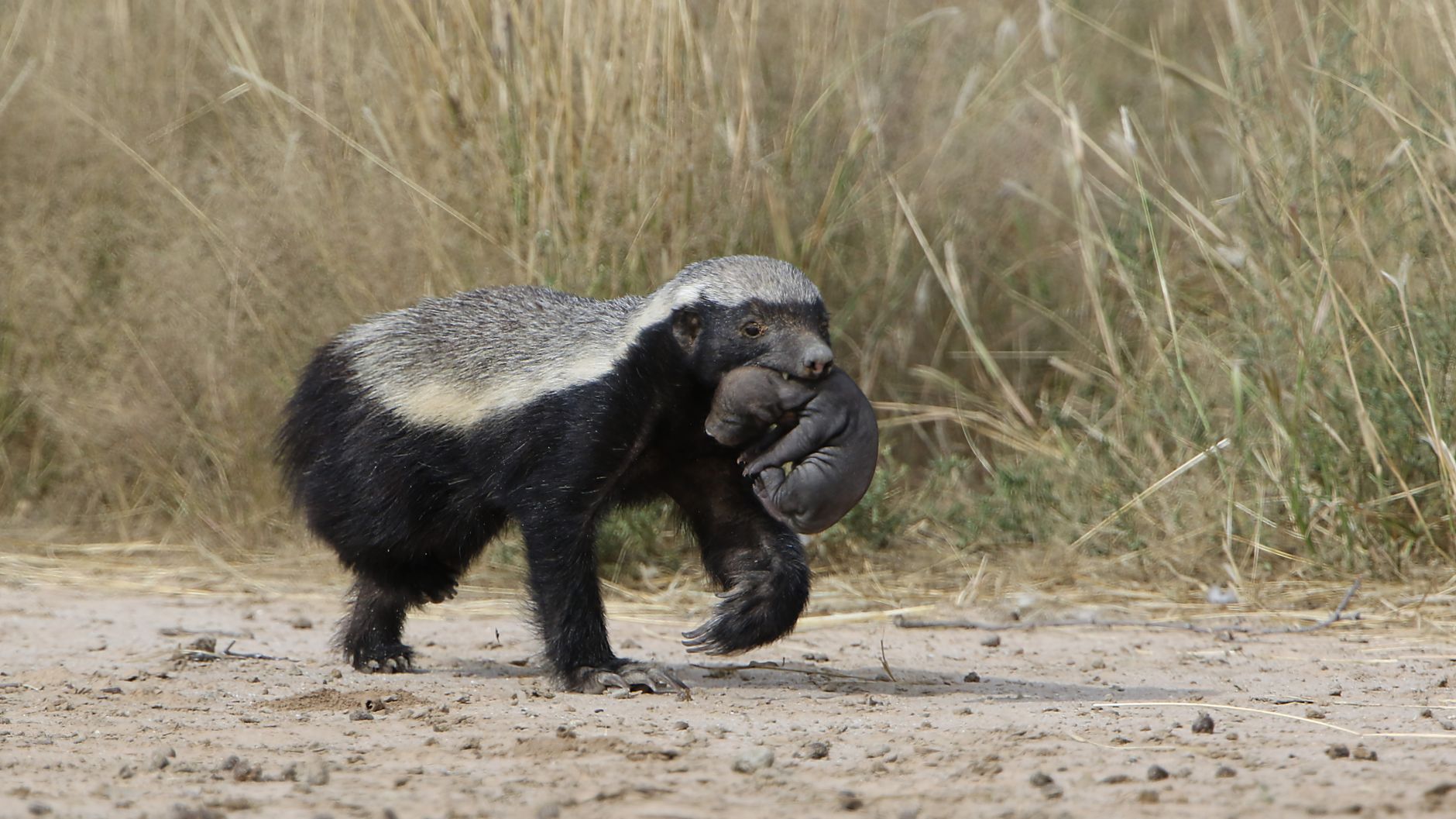
The American badger (Taxidea taxus) is a medium-sized mammal belonging to the weasel family. Known for their powerful digging abilities, badgers play an important ecological role in controlling rodent populations and aerating soil. They are found in a variety of habitats across California, including grasslands, woodlands, and even some agricultural areas.
Their physical characteristics include:
- A stocky build, low to the ground
- Short, powerful legs with long claws for digging
- A distinctive white stripe running from their nose to their shoulders
- A flattened body shape
While not commonly seen due to their nocturnal habits, badgers are an integral part of California’s biodiversity.

What colours are fish most attracted to?
Can you put your finger in a trout's mouth?
Is methylene blue anti bacterial?
Does aquarium salt raise pH in aquarium?
Badger Protection Status in California

The legal status of the American badger in California is that of a fully protected species. This designation, afforded under the California Fish and Game Code, provides the highest level of legal protection. It strictly prohibits the take, possession, or destruction of badgers, except under very specific circumstances, such as scientific research permits. Can you hunt badger in CA? The answer is a resounding no.
This protection is a response to historical population declines and ongoing threats. While exact badger population numbers in California are difficult to ascertain, habitat loss, fragmentation, and potential conflicts with humans have raised conservation concerns.
Exceptions to Badger Protection
While generally prohibited, there are limited exceptions to the protection afforded to badgers. These include:
- Scientific Research: Permits may be issued for bona fide scientific research projects that require the handling or observation of badgers. These permits are strictly regulated and require detailed proposals outlining the research methodology and justification.
- Incidental Take Permits: In rare cases, an incidental take permit might be issued if a project, such as construction, unavoidably impacts badgers. These permits require extensive mitigation measures to minimize harm to badgers and their habitat.
- Public Safety: In extreme circumstances, and only when all other options have been exhausted, badgers may be removed or lethally controlled if they pose an immediate and demonstrable threat to human safety. This requires approval from the California Department of Fish and Wildlife (CDFW).
It is crucial to understand that these exceptions are rare and highly regulated. Ignoring the protection status of badgers can lead to severe penalties, including fines and imprisonment.
The Consequences of Illegal Badger Hunting
Engaging in illegal badger hunting in California carries significant legal consequences. Violators may face:
- Substantial fines: Penalties can range from several hundred to several thousand dollars per violation.
- Imprisonment: In some cases, jail time may be imposed, particularly for repeat offenders.
- Confiscation of equipment: Any equipment used in the illegal hunting of badgers, such as traps or firearms, may be seized by authorities.
- Loss of hunting privileges: Individuals convicted of badger hunting violations may have their hunting licenses revoked.
More importantly than the legal ramifications, illegally hunting badgers harms a protected species and disrupts the ecological balance.
Understanding the Law and Reporting Violations
It is the responsibility of all citizens to be aware of and abide by California’s wildlife protection laws. If you encounter a badger, observe it from a safe distance and avoid disturbing its habitat. If you suspect someone is illegally hunting badgers, report it to the CDFW immediately.
You can report violations anonymously through the CalTIP (Californians Turn in Poachers and Polluters) program. Providing accurate information, such as the location of the incident, the date and time, and a description of the individuals involved, will assist authorities in their investigation.
Can you hunt badger in CA? The answer remains definitively no. Protecting these valuable animals requires ongoing vigilance and a commitment to responsible stewardship of California’s natural resources.
Conservation Efforts and How to Contribute
While direct hunting is prohibited, several conservation efforts aim to protect badger populations and their habitats. These include:
- Habitat restoration projects
- Research and monitoring programs
- Public education initiatives
Individuals can contribute to badger conservation by:
- Supporting organizations dedicated to wildlife conservation
- Educating others about the importance of badgers
- Practicing responsible land management
- Reporting any suspected illegal activity to the CDFW
Frequently Asked Questions about Badger Protection in California
Why are badgers protected in California?
Badgers are protected in California because of historical population declines and ongoing threats such as habitat loss, fragmentation, and potential conflicts with humans. The fully protected species status aims to ensure their long-term survival within the state’s ecosystem. Protecting them maintains biodiversity and ecological balance.
What should I do if I find an injured badger?
If you find an injured badger, do not attempt to handle it yourself. Contact your local animal control agency or a licensed wildlife rehabilitator immediately. They have the expertise and resources to safely capture and care for injured wildlife. Approaching an injured badger can be dangerous.
Are there any exceptions for controlling badgers that are causing property damage?
While badgers are protected, the CDFW may grant permission for relocation or lethal control in very specific cases where badgers are causing significant and unavoidable property damage. However, this is rare and requires demonstrating that all other non-lethal options have been exhausted. Contact the CDFW for specific guidance.
Can I trap and relocate a badger from my property?
Trapping and relocating badgers without a permit is illegal in California. Moving a badger can disrupt its established territory and social structure, and it can also introduce diseases to new areas. Contact the CDFW for assistance if you have a badger problem on your property.
What is the difference between a “fully protected species” and an “endangered species”?
While both designations provide legal protection, fully protected species receive a higher degree of protection in California. Hunting or taking a fully protected species is generally prohibited, while endangered species are subject to additional regulations related to habitat protection and recovery efforts. Can you hunt badger in CA? Again, no.
How can I tell if a badger is causing problems or just living in my area?
Badgers are naturally fossorial animals, so seeing diggings is normal. Problematic behavior might include extensive digging under structures or repeatedly disturbing livestock. If you have concerns, consult with a wildlife specialist to assess the situation. Do not attempt to handle the situation yourself.
Are there any non-lethal methods for deterring badgers from my property?
Yes, several non-lethal methods can deter badgers, including:
- Fencing: Installing a sturdy fence around vulnerable areas.
- Motion-activated lights: Deterring nocturnal activity.
- Odor repellents: Using scents that badgers find unpleasant.
Consult with a wildlife expert for the best solution for your specific situation.
What role do badgers play in the ecosystem?
Badgers are important predators that help control rodent populations, contributing to the health of grasslands and agricultural areas. Their digging activities also aerate the soil, promoting plant growth. They are a crucial part of the California ecosystem.
How can I report suspected illegal badger hunting activities?
You can report suspected illegal badger hunting activities to the California Department of Fish and Wildlife (CDFW) through the CalTIP (Californians Turn in Poachers and Polluters) program. You can also call the CDFW directly. Provide as much detail as possible to assist in the investigation.
Where do badgers typically build their dens?
Badgers prefer to build their dens in areas with well-drained soil, such as grasslands, woodlands, and agricultural fields. They often choose locations near abundant food sources. They may have multiple dens within their territory.
Is it true that badgers and coyotes sometimes hunt together?
Yes, there is evidence suggesting that badgers and coyotes sometimes engage in cooperative hunting, particularly in open areas. The badger’s digging skills and the coyote’s speed and agility can complement each other, increasing their hunting success.
Does the protection status of badgers differ in other states?
Yes, the protection status of badgers can vary significantly from state to state. In some states, badgers may be hunted or trapped under specific regulations, while in others, they may have some level of protection. Always check the local wildlife regulations before taking any action.