
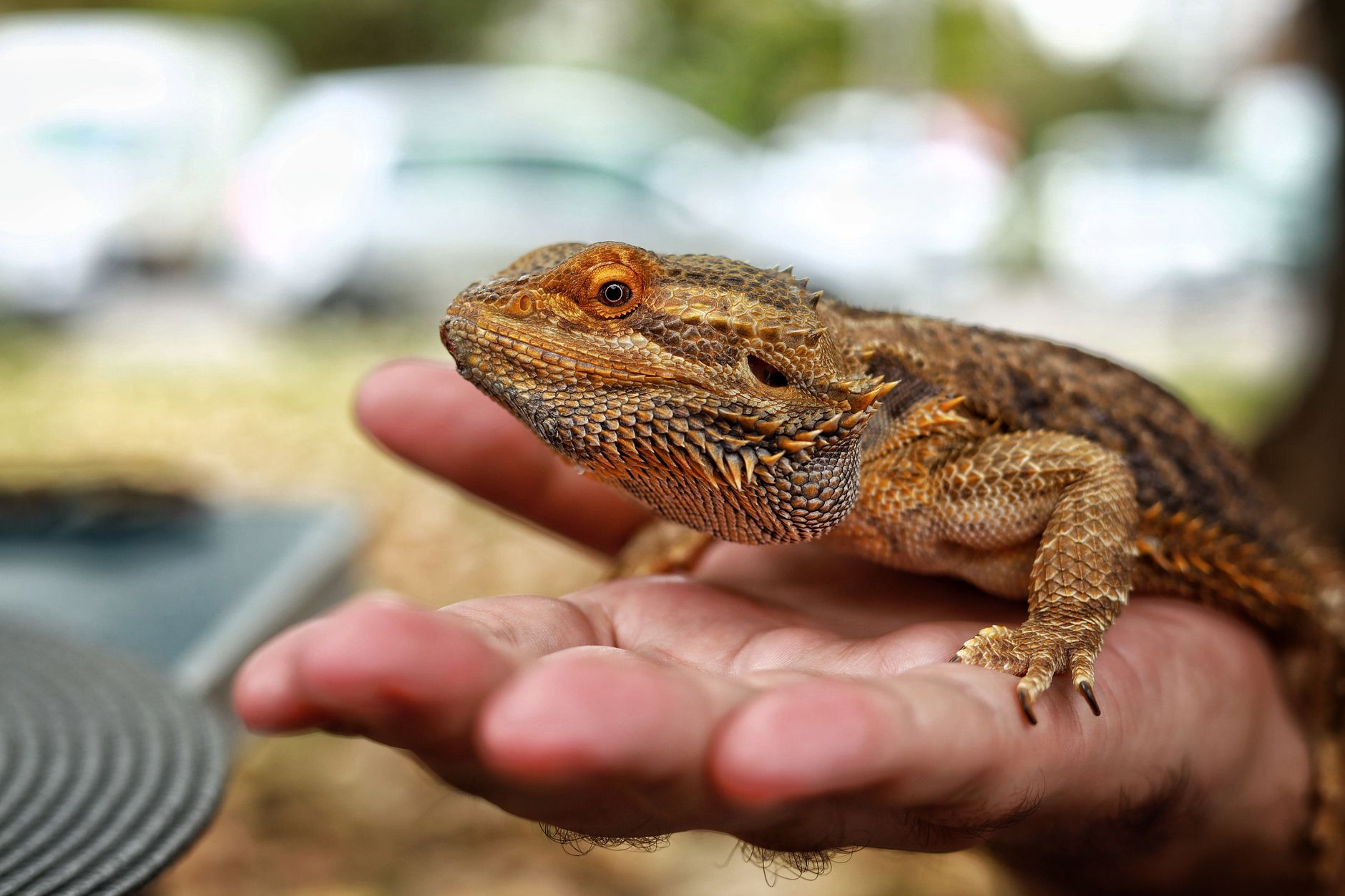
Can You Hold a Brumating Bearded Dragon?
Generally, it’s safe to briefly hold a brumating bearded dragon, but it should be done rarely and with extreme gentleness and purpose, such as for weighing or health checks. Minimizing handling is crucial for their well-being during this dormant period.

Bearded dragons are fascinating reptiles, and their behavior changes dramatically when they enter brumation. Understanding this period of dormancy is essential for any bearded dragon owner. Brumation is a natural process, similar to hibernation in mammals, where the dragon’s metabolism slows down significantly. This period allows them to conserve energy and prepare for the breeding season. While observing your dragon sleep for extended periods, you might wonder: Can you hold a brumating bearded dragon? This article will explore the answer and provide vital information on caring for your bearded dragon during this delicate time.
What is Brumation and Why Does it Happen?
Brumation is a period of dormancy in reptiles, primarily triggered by changes in temperature and light cycles. It’s not the same as hibernation, but it shares similar characteristics. During brumation, the bearded dragon’s:
- Metabolic rate slows dramatically.
- Appetite decreases or ceases entirely.
- Activity level drops significantly.
- Heart rate slows down.
This process is a natural part of their life cycle and usually occurs during the cooler months. It allows them to conserve energy when resources are scarce and prepare for breeding season when conditions improve. Younger dragons may brumate for shorter periods or not at all, while adult dragons will typically brumate annually.

What colours are fish most attracted to?
Can you put your finger in a trout's mouth?
Is methylene blue anti bacterial?
Does aquarium salt raise pH in aquarium?
Identifying Brumation in Your Bearded Dragon

Recognizing the signs of brumation is essential for providing proper care. Common indicators include:
- Reduced Appetite: Your dragon may eat very little or nothing at all.
- Decreased Activity: They will spend much of their time sleeping.
- Hiding: They might burrow or seek dark, secluded places.
- Lethargy: They will appear sluggish and unresponsive.
- Changes in Stool: Bowel movements become infrequent or cease entirely.
It’s crucial to rule out illness before assuming your bearded dragon is brumating. Consult a veterinarian specializing in reptiles if you have any concerns about your dragon’s health.
The Question of Handling: Can you hold a brumating bearded dragon?
While it’s generally not recommended to handle a brumating bearded dragon frequently, there are instances where it may be necessary. Minimizing handling is the key. Excessive handling can stress the dragon and disrupt their natural dormancy. If you need to handle them, do so gently and briefly.
Reasons for Limited Handling:
- Stress: Handling can disrupt their sleep cycle and cause stress, which can impact their immune system.
- Energy Conservation: Brumation is a time for conserving energy. Disturbing them forces them to expend energy they need to reserve.
- Weakened Immune System: During brumation, their immune system is suppressed, making them more vulnerable to illness.
When Handling Might Be Necessary:
- Weighing: Regularly weighing your dragon helps monitor their health during brumation.
- Hydration: Offer water, even if they don’t appear thirsty. Gently misting them can encourage them to drink.
- Health Checks: Brief visual checks for any signs of illness or injury.
- Veterinary Visits: If you suspect a health problem, a vet visit is essential.
How to Properly Handle a Brumating Bearded Dragon (If Necessary)
If you must handle your brumating bearded dragon, follow these guidelines:
- Wash your hands thoroughly before and after handling.
- Be extremely gentle. Support their body fully.
- Keep handling brief. Minimize the time they are out of their enclosure.
- Avoid startling them. Wake them up slowly and gently.
- Return them to their enclosure immediately after the task is complete.
Maintaining the Right Environment During Brumation
Creating the optimal environment is crucial for a successful brumation.
- Temperature: Maintain a temperature gradient within the enclosure. The basking spot should be turned off, and the overall temperature should be cooler than usual (around 70-75°F during the day and 65-70°F at night).
- Lighting: Reduce the photoperiod (the amount of time the lights are on) gradually. Eventually, turn off the UVB and basking lights.
- Humidity: Maintain a moderate humidity level (30-40%).
- Substrate: Provide a loose substrate, such as sand or a sand/soil mixture, to allow them to burrow.
- Cleanliness: Keep the enclosure clean to prevent the growth of bacteria and fungi.
Monitoring Your Brumating Bearded Dragon
Keep a close eye on your dragon during brumation.
- Weight: Weigh them weekly to monitor for any significant weight loss. A slight weight loss is normal, but excessive weight loss should be addressed by a veterinarian.
- Hydration: Offer water regularly, even if they don’t appear thirsty.
- Behavior: Observe their behavior for any signs of illness or distress.
- Fecal Matter: Monitor for infrequent bowel movements. However, lack of bowel movements is normal during brumation.
Bringing Your Bearded Dragon Out of Brumation
As the days get longer and the temperature rises, your bearded dragon will gradually emerge from brumation. Increase the temperature and photoperiod gradually to mimic the changing seasons. Offer food and water, and monitor their appetite and activity levels.
- Increase basking temperature slowly.
- Offer water and food.
- Monitor for normal behavior.
- Consult a veterinarian if they don’t start eating normally.
Frequently Asked Questions (FAQs)
Can holding my brumating bearded dragon wake it up?
Yes, handling can disrupt their sleep and potentially wake them up. It’s best to avoid unnecessary handling to allow them to rest undisturbed during this important physiological process.
How often should I check on my brumating bearded dragon?
You should check on your bearded dragon briefly every few days to ensure they’re safe and secure. Limit your interactions to quick visual assessments and weight checks if needed.
Is it okay if my bearded dragon doesn’t eat or drink anything during brumation?
It is normal for a brumating bearded dragon to eat very little or nothing at all. They may also drink less frequently. However, you should still offer water regularly. Monitor their weight and consult a veterinarian if you have concerns about dehydration or excessive weight loss.
What if my bearded dragon seems sick during brumation?
If you notice signs of illness, such as lethargy, discharge from the eyes or nose, or difficulty breathing, consult a reptile veterinarian immediately. It’s crucial to rule out underlying health problems.
How long does brumation typically last in bearded dragons?
The duration of brumation can vary depending on the individual dragon and environmental conditions. It can range from a few weeks to several months. Generally, they will go through brumation during the colder months.
Can young bearded dragons brumate?
Young bearded dragons may brumate, but it’s less common than in adults. If they do brumate, it is typically shorter and less intense.
Is it possible for a female bearded dragon to be gravid (pregnant) while brumating?
Yes, a female bearded dragon can be gravid during brumation. If you suspect your dragon is gravid, consult a veterinarian for guidance. Gravid females require special care.
What kind of substrate is best for a brumating bearded dragon?
A loose substrate such as sand or a sand/soil mixture is best, as it allows them to burrow comfortably. Make sure the substrate is clean and free of parasites.
Should I continue to offer UVB and heat during brumation?
Gradually reduce the UVB and heat as the dragon enters brumation. Eventually, both should be turned off during the peak of brumation. As the dragon emerges, gradually increase these again.
What if my bearded dragon doesn’t brumate one year?
It’s not uncommon for bearded dragons to skip brumation in some years. If your dragon seems healthy and is eating and behaving normally, there’s likely no cause for concern. However, consult your veterinarian if they are exhibiting unusual behavior.
Can I handle my bearded dragon to move it to a different room during brumation?
While it’s generally best to leave them undisturbed, you can move your bearded dragon to a different room if necessary. Do so carefully and gently, keeping the handling time to a minimum. Maintain a stable temperature in the new room.
What is the most important thing to remember when caring for a brumating bearded dragon?
The most important thing is to minimize stress and provide a stable, comfortable environment. Monitor their weight and behavior, and consult a veterinarian if you have any concerns. And while can you hold a brumating bearded dragon is answered with a cautious ‘yes,’ always prioritize their rest and well-being.