

Can You Eat Coral Trout Raw? Understanding the Risks and Rewards
Can you eat coral trout raw? While consuming raw coral trout is practiced in some cultures, it’s crucial to understand the potential risks before doing so, especially concerning ciguatera poisoning.
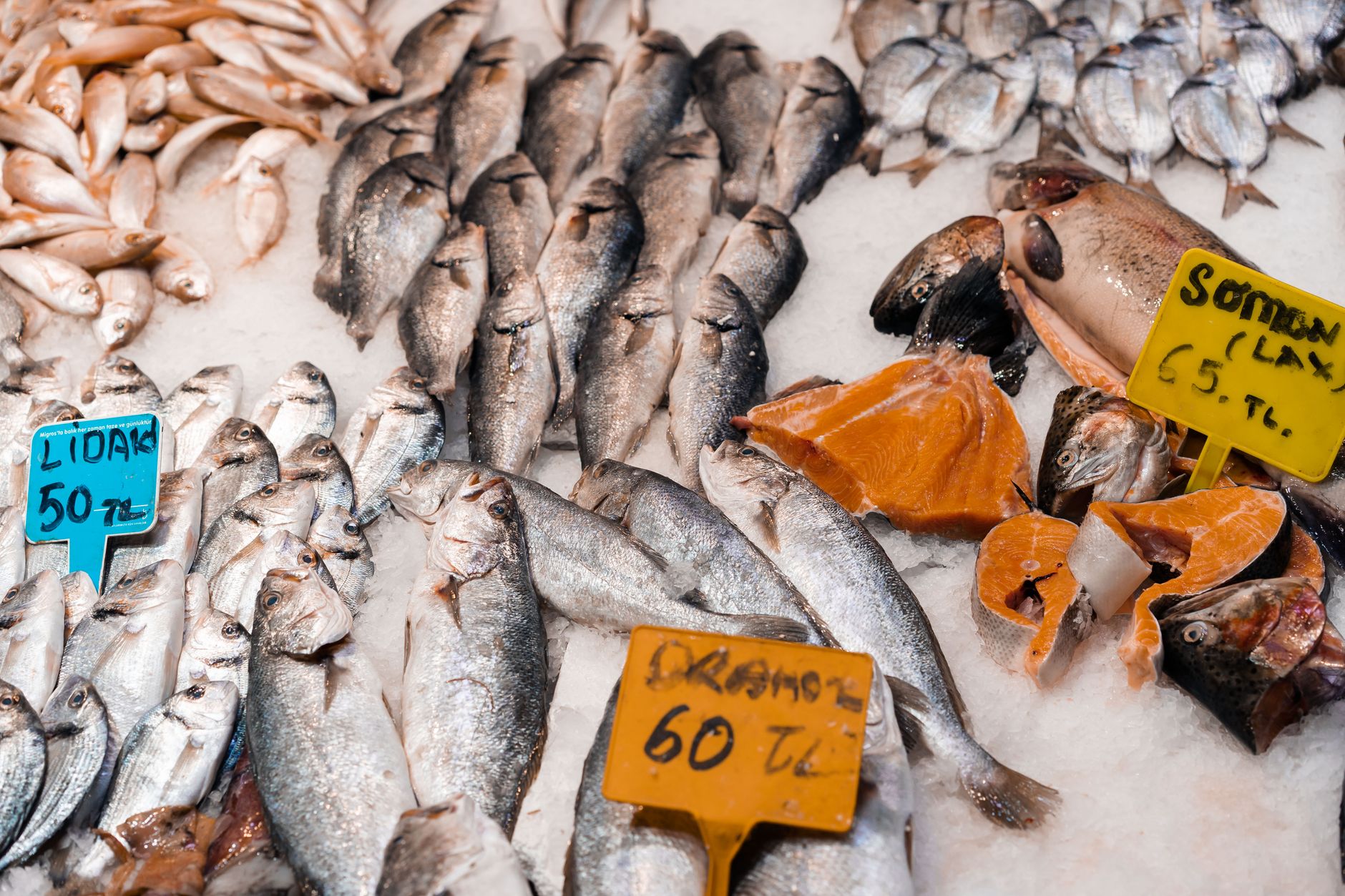
Introduction: A Delicate Delicacy or a Dangerous Gamble?
The allure of raw seafood is undeniable. From the delicate sweetness of sashimi to the vibrant flavors of ceviche, raw preparations offer a unique culinary experience. Coral trout, a prized fish found in the Indo-Pacific region, is no exception. Its firm, flaky flesh and mild flavor make it an attractive option for raw consumption. However, the question “Can you eat coral trout raw?” isn’t a simple yes or no. Understanding the potential dangers, particularly ciguatera fish poisoning (CFP), is paramount.
Can you glue broken coral back together?
What do California tiger salamanders eat?
What is the GREY African clawed frog?
Is distilled water good for goldfish?
What is Coral Trout?

Coral trout encompasses several species of Plectropomus that inhabit coral reefs throughout the Indo-Pacific. These fish are prized for their flavor and texture, making them popular in restaurants and home kitchens alike. Characteristics:
- Appearance: Typically reddish-orange with bright blue spots. Size can vary significantly.
- Habitat: Coral reefs in tropical and subtropical waters.
- Diet: Primarily other fish and crustaceans.
The Appeal of Raw Coral Trout
The increasing popularity of raw food preparations like sushi and sashimi has led many to consider coral trout as a candidate. The delicate flavor and firm texture are often highlighted as advantages. Benefits claimed include:
- Freshness: Captures the pure taste of the ocean.
- Texture: A pleasant, firm bite.
- Nutrient retention: Raw consumption preserves heat-sensitive vitamins and enzymes.
Ciguatera Fish Poisoning (CFP): The Primary Risk
The primary danger associated with eating coral trout raw, and cooked as well, is ciguatera fish poisoning (CFP). This illness is caused by toxins produced by dinoflagellates, microscopic algae that live on coral reefs. Small fish eat these algae, and larger fish, like coral trout, consume the smaller fish. The toxins accumulate up the food chain.
CFP is not destroyed by cooking, freezing, or other common food preparation methods.
Minimizing the Risk of Ciguatera
While complete elimination of risk is impossible, some strategies can help:
- Source: Purchase coral trout from reputable suppliers who are aware of CFP risks and monitor their catch areas.
- Size: Smaller coral trout are generally considered safer as they have had less time to accumulate toxins.
- Region: Some areas are known to have higher instances of CFP. Avoid fish from these locations if possible.
- Avoid internal organs: The highest concentration of ciguatoxins is found in the liver, intestines, and roe.
Symptoms of Ciguatera Fish Poisoning
Symptoms of CFP can appear within minutes to 30 hours after consuming contaminated fish. These include:
- Gastrointestinal: Nausea, vomiting, diarrhea, abdominal cramps.
- Neurological: Tingling or numbness of the lips, tongue, and extremities; reversal of hot and cold sensations; muscle aches; fatigue.
- Cardiovascular: In rare cases, heart arrhythmias and low blood pressure.
Table: Comparison of Benefits vs. Risks of Eating Raw Coral Trout
| Feature | Raw Coral Trout |
|---|---|
| Potential Benefits | Fresh flavor, firm texture, nutrient retention |
| Risks | Ciguatera Fish Poisoning (CFP) |
| Severity | Mild discomfort to severe neurological damage |
| Preventative Measures | Careful sourcing, smaller fish, region awareness |
Alternative Cooking Methods
If the risks associated with raw consumption are concerning, consider cooking coral trout. It can be grilled, baked, pan-fried, or steamed. Proper cooking destroys most bacteria, though it will not eliminate ciguatoxins if present.
Frequently Asked Questions (FAQs)
Is it always dangerous to eat coral trout raw?
No, it’s not always dangerous, but there’s always a risk. The presence of ciguatoxins is unpredictable, and even fish from reputable sources can be contaminated. The degree of risk depends on the region, the size of the fish, and the specific feeding habits of the coral trout in that area.
What percentage of coral trout contains ciguatoxins?
There is no definitive percentage. The prevalence of ciguatoxins in coral trout populations varies greatly depending on location, season, and other environmental factors. Some regions have a consistently high risk, while others have very low reported cases.
Can you tell if coral trout is contaminated with ciguatoxins before eating it?
Unfortunately, there is no reliable way to visually inspect or smell coral trout and determine if it’s contaminated with ciguatoxins. The toxins are odorless, tasteless, and invisible. There are some expensive testing methods, but these are not widely available to consumers and only provide a snapshot in time.
Are some coral trout species safer to eat raw than others?
While all Plectropomus species can potentially carry ciguatoxins, some species may be more prone than others depending on their diet and habitat. However, data on species-specific risk is limited. Focusing on sourcing from low-risk regions and choosing smaller fish is a more reliable approach than focusing solely on species.
What should I do if I suspect I have ciguatera fish poisoning?
Seek medical attention immediately. There is no specific antidote for ciguatera, but supportive care can help manage symptoms. Inform your doctor that you suspect CFP, as this will aid in diagnosis and treatment.
How long does ciguatera fish poisoning last?
Symptoms can last from a few days to several weeks or even months. In some cases, neurological symptoms can persist for years. The duration and severity of symptoms vary depending on the amount of toxin ingested and individual factors.
Can you develop immunity to ciguatera fish poisoning?
No, you cannot develop immunity to ciguatera. In fact, repeated exposure can lead to more severe symptoms and a longer recovery period.
Is ciguatera fish poisoning fatal?
While ciguatera is rarely fatal, severe cases can lead to life-threatening complications, such as respiratory paralysis or cardiac arrest.
Are there any reliable tests consumers can use to test fish for ciguatoxins at home?
Unfortunately, there are no reliable and readily available at-home tests for ciguatoxins that consumers can use. Professional testing requires specialized equipment and expertise.
Can freezing or cooking coral trout eliminate ciguatoxins?
No, freezing and cooking do not eliminate ciguatoxins. These toxins are heat-stable and resistant to common food preparation methods.
Are restaurants required to disclose the risk of ciguatera when serving raw coral trout?
Regulations vary by location. Some jurisdictions may require restaurants to disclose the potential risk of ciguatera, but many do not. It is always wise to inquire about the source of the fish and the restaurant’s awareness of CFP risks.
Are other types of fish also susceptible to ciguatera poisoning?
Yes, many species of reef fish can accumulate ciguatoxins. Other common culprits include barracuda, grouper, snapper, and sea bass. The risk depends on the fish’s diet and the prevalence of toxic dinoflagellates in its habitat. When in doubt, thorough cooking is the safest option.
Conclusion: Proceed with Caution
Can you eat coral trout raw? The answer is complex. While some embrace it, the risk of ciguatera fish poisoning (CFP) is a serious concern. If you choose to consume raw coral trout, prioritize sourcing from reputable suppliers, selecting smaller fish, and being aware of regional risks. Ultimately, the decision rests on your own risk tolerance and due diligence.