
Can You Be Saved From a King Cobra Bite?: Understanding Survival
The answer to “Can you be saved from a king cobra bite?” is potentially, yes, but survival hinges on rapid access to antivenom and advanced medical care. The venom of a king cobra is potent, but effective treatment is available if administered swiftly.

Understanding the King Cobra’s Potency
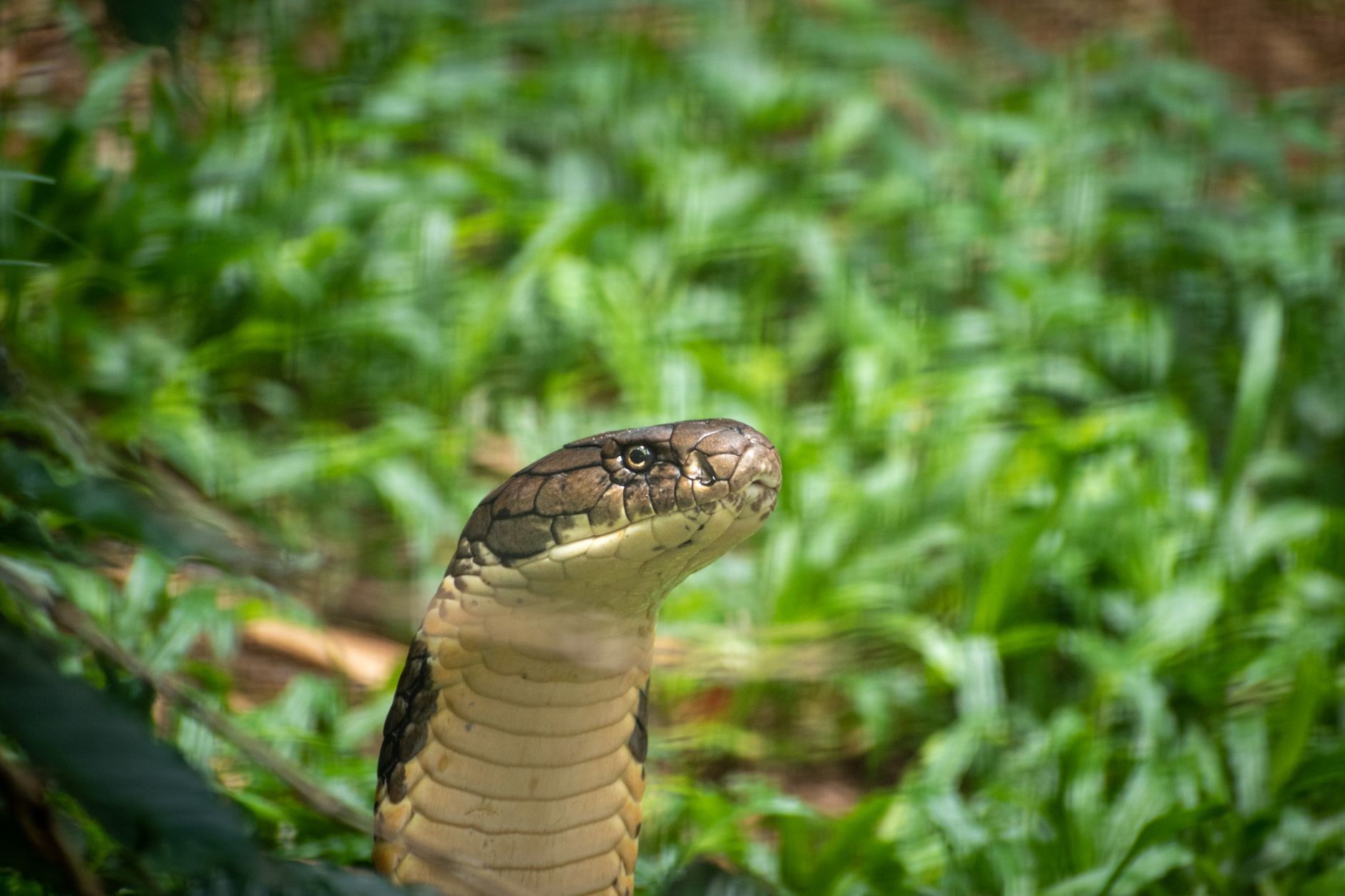
The king cobra ( Ophiophagus hannah ), the world’s longest venomous snake, is a fearsome predator. Its venom, while not the most toxic among snakes by weight, is delivered in significant quantities – enough to kill an elephant, let alone a human. The venom is primarily neurotoxic, meaning it attacks the nervous system, leading to paralysis, respiratory failure, and ultimately, death.

What colours are fish most attracted to?
Can you put your finger in a trout's mouth?
Is methylene blue anti bacterial?
Does aquarium salt raise pH in aquarium?
The Venom’s Effects: A Race Against Time

The speed at which the venom takes effect varies depending on factors like the amount injected, the victim’s size and health, and the location of the bite. Symptoms can appear within minutes or take up to several hours. Common early signs include:
- Severe pain at the bite site
- Swelling and blistering
- Drooping eyelids (ptosis)
- Difficulty speaking and swallowing
- Respiratory distress
If left untreated, the venom can paralyze the muscles responsible for breathing, leading to asphyxiation and death. This underscores the crucial importance of immediate medical attention.
The Lifesaving Antivenom
The primary treatment for a king cobra bite is antivenom. Antivenom contains antibodies that neutralize the venom, preventing further damage. The effectiveness of antivenom is directly related to how quickly it is administered. The sooner a victim receives antivenom, the better their chances of survival and minimizing long-term complications.
The Treatment Protocol: A Multi-Faceted Approach
Successfully treating a king cobra bite involves more than just administering antivenom. A comprehensive approach includes:
- Immediate First Aid: Keep the victim calm, immobilized, and transport them to a medical facility as quickly as possible. Apply a pressure immobilization bandage if trained to do so.
- Advanced Medical Care: Hospitals equipped to handle snakebites will provide respiratory support, manage blood pressure, and monitor vital signs.
- Antivenom Administration: The correct dosage of antivenom, often determined by the severity of symptoms, will be administered intravenously. Multiple doses may be necessary.
- Supportive Care: This includes pain management, wound care, and treatment of any complications that arise.
Survival Rates and Factors Affecting Outcome
Can you be saved from a king cobra bite? Yes, but survival rates vary depending on access to medical care and the promptness of treatment. With rapid antivenom administration and supportive care, survival rates are significantly higher. However, factors like the amount of venom injected (envenomation) and the victim’s overall health can influence the outcome.
| Factor | Impact on Survival |
|---|---|
| Time to Antivenom | Faster = Better |
| Venom Quantity | Lower = Better |
| Victim’s Health | Stronger = Better |
| Medical Resources | More = Better |
Prevention: Avoiding Encounters
The best way to survive a king cobra bite is to avoid being bitten in the first place. This requires:
- Awareness: Be aware of your surroundings, especially in areas where king cobras are known to live.
- Caution: Avoid walking in tall grass or dense vegetation without proper footwear and protective clothing.
- Respect: If you encounter a king cobra, maintain a safe distance and avoid any sudden movements that could provoke it.
- Education: Learn about king cobras and the risks associated with them.
Frequently Asked Questions (FAQs)
How quickly do you need antivenom after a king cobra bite?
The sooner, the better. Ideally, antivenom should be administered within a few hours of the bite. Delaying treatment significantly reduces the chances of survival and increases the risk of permanent complications. The critical window is considered to be within the first few hours.
What are the long-term effects of a king cobra bite?
Even with successful treatment, some individuals may experience long-term effects, including muscle weakness, nerve damage, and chronic pain. Rehabilitation therapy may be necessary to regain full function. Psychological trauma is also a common long-term effect, especially for those who had severe envenomation.
Is there a universal antivenom for all snakebites?
No, antivenoms are typically species-specific. The antivenom used for a king cobra bite will not be effective against the venom of other snakes. It is crucial to identify the snake responsible for the bite to ensure the correct antivenom is administered.
What do you do if you are bitten by a snake and don’t know what kind it is?
Seek medical attention immediately. Even if you don’t know the type of snake, doctors can assess your symptoms and provide supportive care. If possible, take a photo of the snake from a safe distance, as this can help with identification.
Can a king cobra bite be “dry,” meaning no venom is injected?
Yes, king cobras, like other venomous snakes, can deliver dry bites. This means they bite without injecting venom. However, it is impossible to know if a bite is dry without medical evaluation, so any bite should be treated as potentially venomous.
Is it safe to try and suck the venom out of a snakebite?
No, this is not recommended. Attempting to suck out venom is ineffective and can potentially worsen the wound. Focus on keeping the victim calm and getting them to medical care as quickly as possible. Do NOT apply a tourniquet.
How much does antivenom cost?
The cost of antivenom can vary significantly depending on the region and the specific antivenom required. In some areas, it can be very expensive, making access a challenge for some individuals. This disparity can contribute to higher mortality rates in underserved regions.
Is there any natural immunity to king cobra venom?
While some animals, like mongooses, have a degree of resistance to snake venom, there is no known natural immunity in humans.
Are children more vulnerable to king cobra bites?
Yes, children are generally more vulnerable to the effects of snake venom due to their smaller size and less developed immune systems. A comparable amount of venom will have a more potent effect on a child than on an adult.
What is the best way to identify a king cobra?
King cobras are easily identifiable by their large size (up to 18 feet long), distinctive hood, and characteristic defensive posture. However, attempting to get close to identify a snake is extremely dangerous. Maintain a safe distance.
What research is being done to improve king cobra bite treatment?
Research efforts are focused on developing more effective and affordable antivenoms, as well as exploring new therapies to counter the effects of king cobra venom. Scientists are also working on improving diagnostic tools for quicker identification of venomous snakebites.
What are the chances of survival without antivenom?
Without antivenom, the chances of survival after a king cobra bite are significantly reduced, often leading to fatality within hours. While supportive care can help manage some symptoms, it cannot neutralize the venom itself. Can you be saved from a king cobra bite without antivenom? The answer is highly unlikely.