
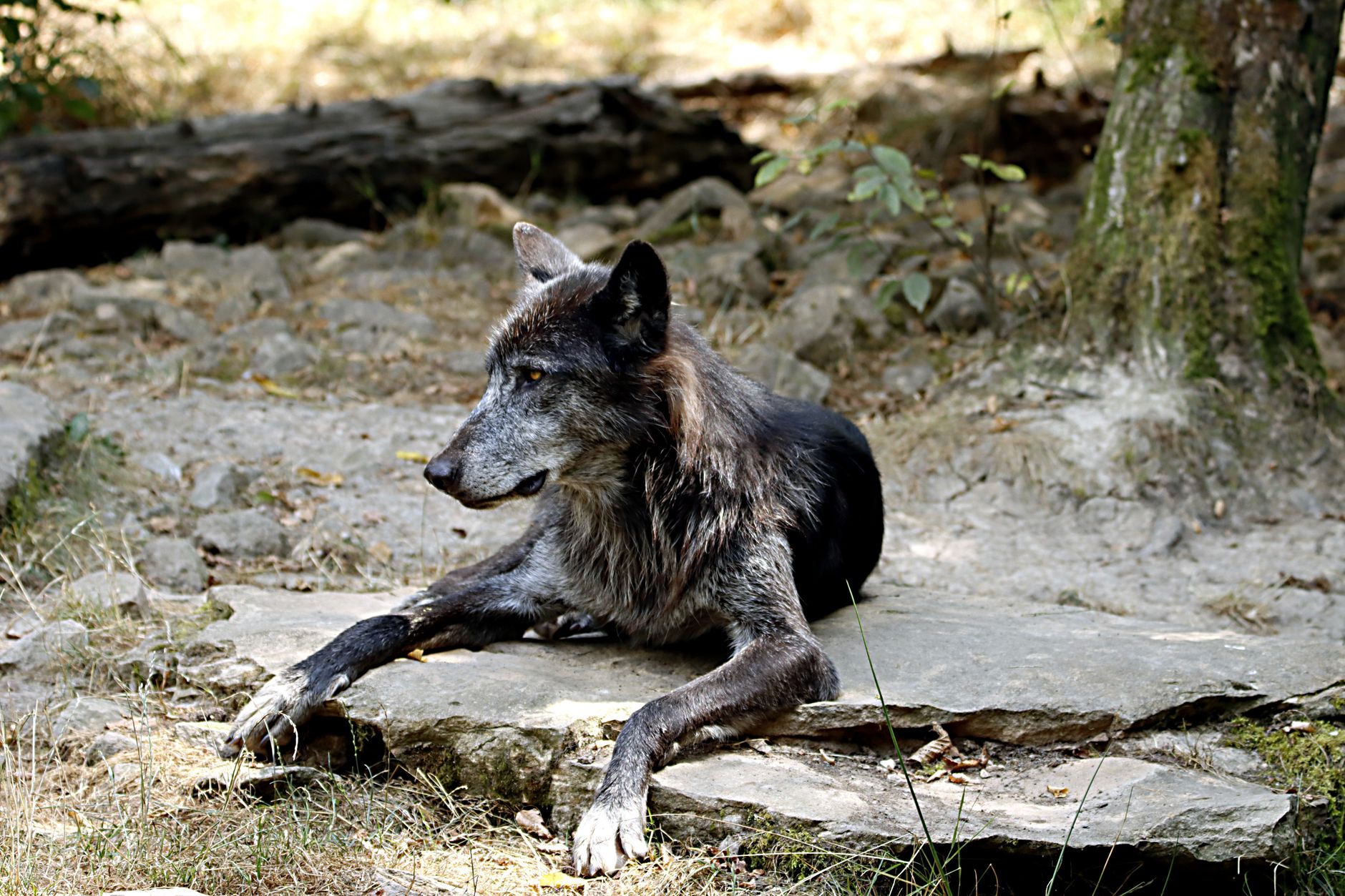
Can Wolves Be Tamed In Real Life? A Deep Dive
While individual wolves can be acclimated to human presence, true domestication – the genetic reshaping of a species – is a process that takes generations. Therefore, the answer to can wolves be tamed in real life? is a nuanced no; individual wolves can be socialized, but they aren’t truly tame in the domesticated sense.

Understanding Wolf Domestication: More Than Just Raising a Pup
The question of can wolves be tamed in real life? hinges on understanding the difference between taming and domestication. A tamed animal is simply one that has become accustomed to humans and is no longer fearful or aggressive. Domestication, on the other hand, is a long-term evolutionary process involving genetic changes that make a species more amenable to living with humans.
- Taming: Modifying an individual animal’s behavior through habituation and conditioning.
- Domestication: Genetically altering a species over many generations to select for traits desirable to humans.
What colours are fish most attracted to?
Can you put your finger in a trout's mouth?
Is methylene blue anti bacterial?
Does aquarium salt raise pH in aquarium?
The Legacy of the Russian Silver Fox Experiment
One of the most compelling pieces of evidence supporting the possibility of domestication comes from the Russian Silver Fox Experiment. Beginning in the 1950s, researchers selectively bred foxes based solely on their tameness. Over generations, they observed significant changes:
- Physical Changes: Foxes developed floppy ears, curled tails, and spotted coats, features rarely seen in wild foxes.
- Behavioral Changes: Foxes exhibited increased social interaction with humans, reduced aggression, and prolonged juvenile behavior.
This experiment demonstrates that selecting for tameness can lead to profound changes in both behavior and appearance. It also highlights the genetic component of domestication, something that individual taming cannot achieve.
The Challenges of Wolf “Taming”
While the Russian Silver Fox Experiment provides insight, replicating such a large-scale, long-term breeding program with wolves presents significant challenges. Furthermore, even in the most successful cases of wolf socialization, certain instincts remain.
- Strong Prey Drive: Wolves retain their natural hunting instincts, which can pose a threat to smaller animals.
- Pack Mentality: Wolves are social animals with a strong pack hierarchy, which can lead to dominance challenges with humans.
- Unpredictability: Even well-socialized wolves can exhibit unpredictable behavior, especially in stressful situations.
Legal and Ethical Considerations
Owning wolves or wolf hybrids is often subject to strict regulations and may be illegal in many areas. Ethical considerations also play a significant role. Keeping a wolf in captivity deprives it of its natural environment and social structure. Furthermore, releasing a captive wolf into the wild is often a death sentence, as it lacks the skills to survive.
Distinguishing Wolves from Wolf Hybrids
It’s crucial to differentiate between pure wolves and wolf hybrids (crossbreeds between wolves and domestic dogs). Hybrids are often marketed as “tame wolves,” but their behavior can be even more unpredictable than that of pure wolves.
- Pure Wolves: Genetically closer to their wild ancestors, exhibiting strong instincts and complex social behaviors.
- Wolf Hybrids: Possessing a mix of wolf and dog traits, resulting in unpredictable behavior and potential health problems.
| Feature | Pure Wolf | Wolf Hybrid |
|---|---|---|
| Predictability | Generally predictable based on wolf behavior | Highly unpredictable |
| Instincts | Strong and consistent | Mixed and often conflicting |
| Health | Generally robust | Prone to genetic health issues |
| Legality | Often heavily restricted or illegal | Varies depending on location and breed |
The Illusion of Control
Many people believe that they can “tame” a wolf simply by raising it from a pup. However, this is a dangerous misconception. While a wolf may appear docile and affectionate, its underlying instincts remain. This can lead to unexpected aggression or escape attempts.
- Bonding vs. Domestication: A strong bond between a human and a wolf does not equate to domestication.
- Instinct Trumps Training: No amount of training can completely override a wolf’s natural instincts.
- Safety Concerns: Keeping a wolf as a pet poses a significant risk to both the owner and the public.
Alternative Approaches: Responsible Wolf Conservation
Instead of attempting to “tame” wolves, a more responsible approach is to support wolf conservation efforts. This includes protecting their natural habitats, mitigating human-wildlife conflict, and promoting public education about wolves.
FAQ:
Can a wolf ever truly love a human?
Wolves can form strong attachments to humans, especially if raised from a young age. However, this attachment is different from the unconditional love that domesticated dogs often display. A wolf’s primary loyalty will always be to its pack, whether that pack includes humans or other wolves. The bond is more akin to a complex social hierarchy than a simple loving relationship.
Is it possible to train a wolf?
Yes, wolves can be trained to a certain extent. Positive reinforcement techniques can be effective in teaching them basic commands. However, their training is far more challenging than training a dog. Their strong instincts and independent nature make them less compliant and more prone to reverting to natural behaviors.
What is the difference between a wolfdog and a domestic dog?
Wolfdogs are hybrids, a mix of wolf and dog genetics. Domestic dogs have been selectively bred for thousands of years to enhance specific traits, making them genetically distinct from wolves and wolfdogs. This domestication leads to significant differences in behavior, temperament, and physical characteristics. Wolfdogs may exhibit characteristics of both wolves and dogs, resulting in unpredictable behavior.
Are wolfdogs legal to own?
The legality of owning a wolfdog varies widely depending on location. Some areas have complete bans, while others have specific regulations regarding housing, registration, and insurance. Before considering owning a wolfdog, it’s crucial to research and comply with all applicable laws and regulations. Violating these laws can result in fines, confiscation of the animal, or even criminal charges.
What are the ethical considerations of owning a wolf or wolfdog?
Owning a wolf or wolfdog raises significant ethical concerns. These animals require specialized care and environments that most owners cannot provide. Keeping them in captivity can deprive them of their natural social structure and hunting opportunities. Furthermore, their unpredictable behavior can pose a risk to both the owner and the public.
Can a wolf be safely integrated into a household with children?
Generally, no. It is highly discouraged. Due to their inherent instincts and potential for unpredictable behavior, wolves and wolfdogs are not suitable for households with children. Even well-socialized wolves can pose a safety risk, especially around young children.
What kind of environment does a wolf need to thrive?
Wolves need a large, secure enclosure that mimics their natural habitat. This includes ample space to roam, opportunities to engage in natural behaviors like digging and scent marking, and a complex social environment. They also require a specialized diet and enrichment activities to prevent boredom and behavioral problems.
How does the Russian Silver Fox experiment relate to wolf domestication?
The Russian Silver Fox experiment provides valuable insights into the genetic mechanisms underlying domestication. It demonstrates that selecting for tameness can lead to profound changes in both behavior and appearance. While foxes and wolves are different species, the experiment suggests that similar processes may have been involved in the domestication of wolves’ ancestors.
What are some signs that a wolf is stressed or unhappy in captivity?
Signs of stress and unhappiness in captive wolves can include excessive pacing, self-mutilation, aggression, and withdrawal from social interaction. These behaviors indicate that the animal’s needs are not being met and that its welfare is compromised.
What are the alternatives to owning a wolf for people who admire these animals?
For people who admire wolves, there are many ethical alternatives to ownership. These include supporting wolf conservation organizations, visiting wildlife sanctuaries that provide a safe and natural environment for rescued wolves, and learning more about wolf behavior and ecology.
What is the role of wolves in the ecosystem?
Wolves play a crucial role in maintaining the balance of ecosystems. As apex predators, they help regulate populations of ungulates (deer, elk, etc.), preventing overgrazing and maintaining biodiversity. Their presence also has cascading effects on other species, influencing vegetation patterns and nutrient cycles. Removing wolves from an ecosystem can have devastating consequences.
Can “taming” wolves contribute to conservation efforts?
Attempting to “tame” wolves for personal ownership does not contribute to conservation efforts and can actually be detrimental. It perpetuates the myth that wolves are suitable pets and distracts from more effective strategies for protecting wild wolf populations and their habitats.