

Can Snakes Sneak Into Your House?
Yes, snakes can indeed sneak into your house, though it’s typically unintentional and driven by the search for food, shelter, or warmth; preventative measures can significantly reduce the risk.
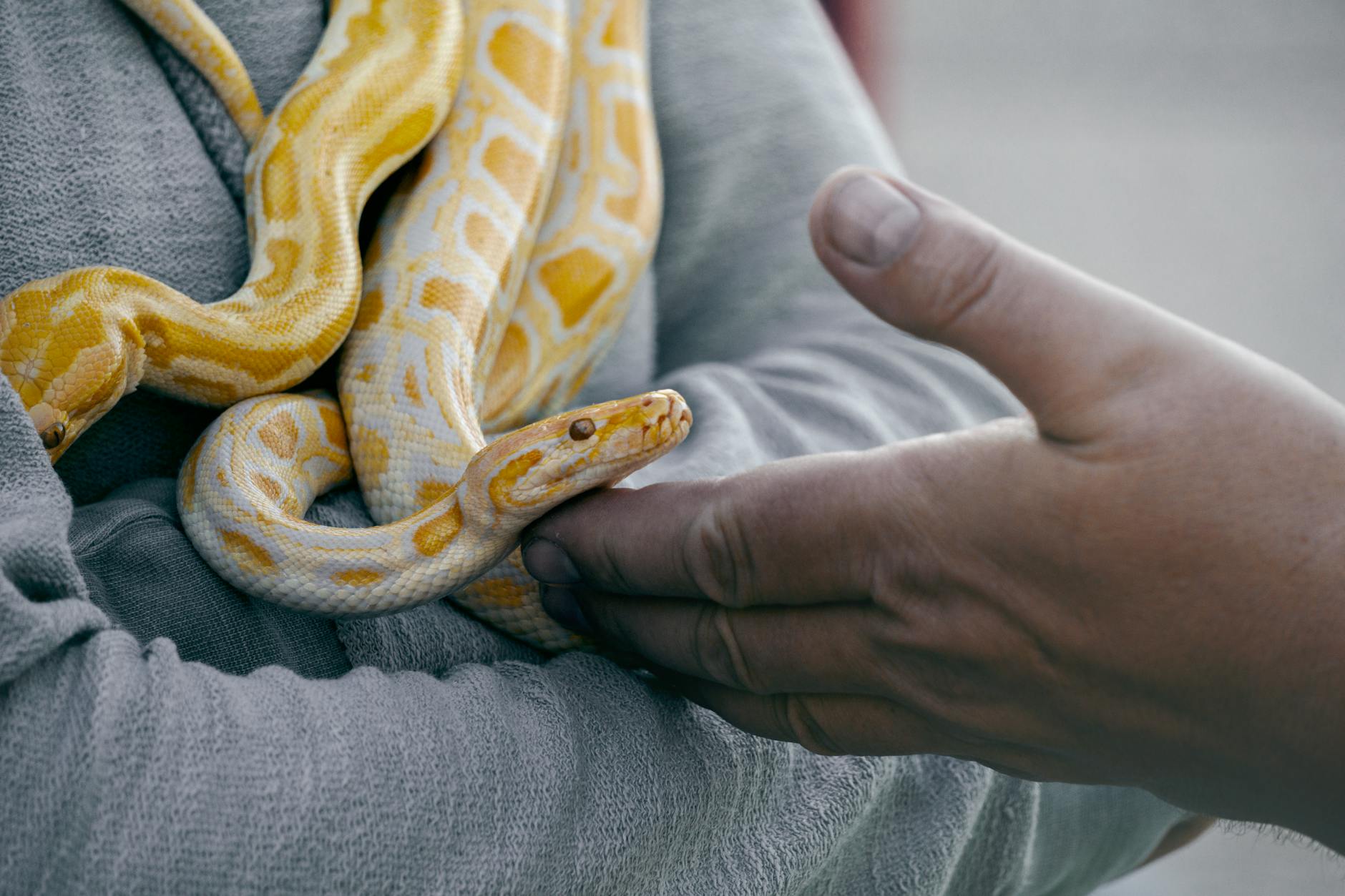
Understanding Snake Behavior and Motivations
Snakes aren’t plotting an invasion, but they can end up inside your home. Understanding why is crucial for prevention. These cold-blooded reptiles are primarily motivated by survival, seeking environments that offer:
- Food Sources: Rodents, insects, frogs, and even eggs can attract snakes. If your property is a haven for their prey, it’s a potential draw.
- Shelter: Dark, undisturbed spaces like woodpiles, overgrown vegetation, and cracks in foundations offer refuge.
- Temperature Regulation: Snakes rely on external sources for warmth. During cold weather, they may seek heated spaces, potentially leading them indoors.

What is the GREY African clawed frog?
Is distilled water good for goldfish?
What colours are fish most attracted to?
Can you put your finger in a trout's mouth?
Common Entry Points and How to Secure Them

Snakes aren’t capable of breaking through walls, but they are remarkably adept at exploiting existing vulnerabilities. Consider these common entry points:
- Gaps in Foundations: Even small cracks or holes can provide access.
- Openings Around Pipes and Wiring: Where utilities enter your home, ensure proper sealing.
- Unsealed Windows and Doors: Damaged screens, weather stripping, and gaps under doors are prime entry points.
- Chimneys: Unscreened chimneys are an open invitation.
- Pet Doors: While intended for pets, they can also provide entry for snakes.
Securing these entry points is paramount. Consider the following:
- Seal cracks and holes: Use caulk, expanding foam, or concrete patching compound to seal any openings in your foundation, walls, and around pipes.
- Install weather stripping: Ensure a tight seal around doors and windows.
- Repair or replace damaged screens: Even small tears can allow snakes access.
- Install a chimney cap: This prevents snakes and other animals from entering.
- Consider a snake-proof pet door: Some pet doors are designed to prevent snakes from entering.
Landscaping Practices That Deter Snakes
Your landscaping choices can significantly impact the likelihood of snakes entering your property and, ultimately, your home. Consider these practices:
- Maintain a Short Lawn: Short grass exposes snakes to predators and makes them feel less secure.
- Remove Woodpiles and Rock Piles: These provide ideal hiding places. Store firewood away from the house and on an elevated platform.
- Control Rodent Populations: Eliminate potential food sources by using appropriate pest control methods.
- Clear Overgrown Vegetation: Trim bushes and shrubs near your foundation.
- Use Snake Repellents (with caution): Some commercial repellents may offer limited effectiveness, but read and follow instructions carefully. Many are ineffective or environmentally harmful.
- Consider Snake-Proof Fencing: This can be an effective barrier, especially in areas prone to snake infestations.
What to Do if You Find a Snake Inside
Finding a snake inside your home can be unsettling. The most important thing is to remain calm and avoid approaching or attempting to handle the snake.
- Identify the Snake: If possible, try to identify the snake from a safe distance. A photograph can be helpful for identification later. This is important for determining if it is venomous.
- Isolate the Snake: If possible, confine the snake to a single room by closing doors and blocking off other access points.
- Call a Professional: Contact animal control, a wildlife removal service, or a local herpetologist. They have the expertise and equipment to safely remove the snake.
- Keep Children and Pets Away: Ensure children and pets are kept away from the area until the snake has been removed.
- Avoid Cornering the Snake: Cornering a snake can make it feel threatened and more likely to bite.
Differentiating Venomous and Non-Venomous Snakes
In many regions, most snakes are harmless. Learning to differentiate between venomous and non-venomous species in your area is crucial. Use reliable resources like local wildlife guides or online databases. Knowing the difference can alleviate unnecessary fear and inform your actions. Key identification features often include:
| Feature | Venomous Snakes (varies by region) | Non-Venomous Snakes |
|---|---|---|
| Head Shape | Often triangular | Typically oval or rounded |
| Pupil Shape | Typically elliptical (vertical) | Usually round |
| Pattern | Distinctive patterns (e.g., rattles, diamond patterns) | Wide variety of patterns, often simpler |
| Behavior | May be more defensive | Generally less aggressive |
Important Note: These are general guidelines and may not apply to all species. Always exercise caution and consult with experts for accurate identification.
Understanding Laws and Regulations Regarding Snakes
Before attempting to handle or remove a snake, familiarize yourself with local laws and regulations. Some species are protected, and it may be illegal to harm or relocate them without proper permits. Contact your local wildlife agency for information on applicable regulations.
Frequently Asked Questions (FAQs)
Can a baby snake get into my house more easily than an adult snake?
Yes, baby snakes can often access smaller openings than their adult counterparts. This is due to their smaller size and more flexible bodies. Therefore, ensuring your home is well-sealed is even more crucial in areas with high snake populations, regardless of the snake’s age.
What smells do snakes hate?
While no scent is universally guaranteed to repel snakes, certain strong odors are often suggested as deterrents. These include ammonia, vinegar, and essential oils like cinnamon or clove. However, their effectiveness is debated, and they may only offer temporary relief.
Are snakes more likely to enter my house during certain times of the year?
Snakes are more active during warmer months when they are searching for food and mates. They are also more likely to seek shelter indoors during extreme temperatures, such as very hot summers or cold winters.
Will mothballs keep snakes away?
Mothballs are not an effective snake repellent and should not be used for this purpose. They contain chemicals that can be harmful to humans, pets, and the environment. Furthermore, they are largely ineffective at deterring snakes.
What is the best way to get rid of a snake in my yard?
The best approach is to remove any attractants that might be drawing the snake to your yard. This includes eliminating food sources like rodents, clearing overgrown vegetation, and removing woodpiles or rock piles. If the snake persists, consider calling a professional for removal.
Do snake repellent plants actually work?
There’s limited scientific evidence to support the claim that certain plants effectively repel snakes. While some plants, like marigolds, may have a strong odor that some snakes dislike, their effectiveness is inconsistent and shouldn’t be relied upon as a primary deterrent.
If I have a snake in my yard, does that mean there are more nearby?
The presence of one snake doesn’t necessarily mean there are many others nearby, but it suggests conditions are favorable for snakes in your area. Take preventative measures to discourage other snakes from entering your property.
How small of a hole can a snake get through?
Snakes are surprisingly adept at squeezing through tight spaces. They can typically get through holes as small as half an inch in diameter, depending on the species and size of the snake.
Are snakes attracted to water?
Snakes, like all living creatures, need water to survive. They may be attracted to sources of water, such as bird baths, ponds, or even damp areas around your home. Eliminate standing water to reduce the allure.
Can snakes climb walls?
Most snakes are not able to climb smooth, vertical walls. However, some species are capable of climbing textured surfaces, such as brick or siding, using their scales for grip.
If a snake is inside my house, is it likely to be poisonous?
The likelihood of a snake inside your house being venomous depends on your geographical location. In many regions, the majority of snakes are non-venomous. However, it’s crucial to identify the snake before attempting to handle it. Always err on the side of caution.
What professional services can help with snake removal and prevention?
Several professional services can assist with snake removal and prevention, including:
- Animal Control: Local animal control agencies often handle snake removal.
- Wildlife Removal Services: These companies specialize in removing nuisance wildlife, including snakes.
- Herpetologists: These experts can identify and safely relocate snakes.
- Pest Control Companies: Some pest control companies offer snake prevention services. Choosing a qualified and experienced professional is essential.