

How Long is Too Long? When Lethargy in Dogs Requires a Vet Visit
Knowing how long a dog should be lethargic before going to the vet is crucial; generally, if lethargy persists for more than 24 hours, or is accompanied by other symptoms such as vomiting, diarrhea, or loss of appetite, immediate veterinary attention is needed.
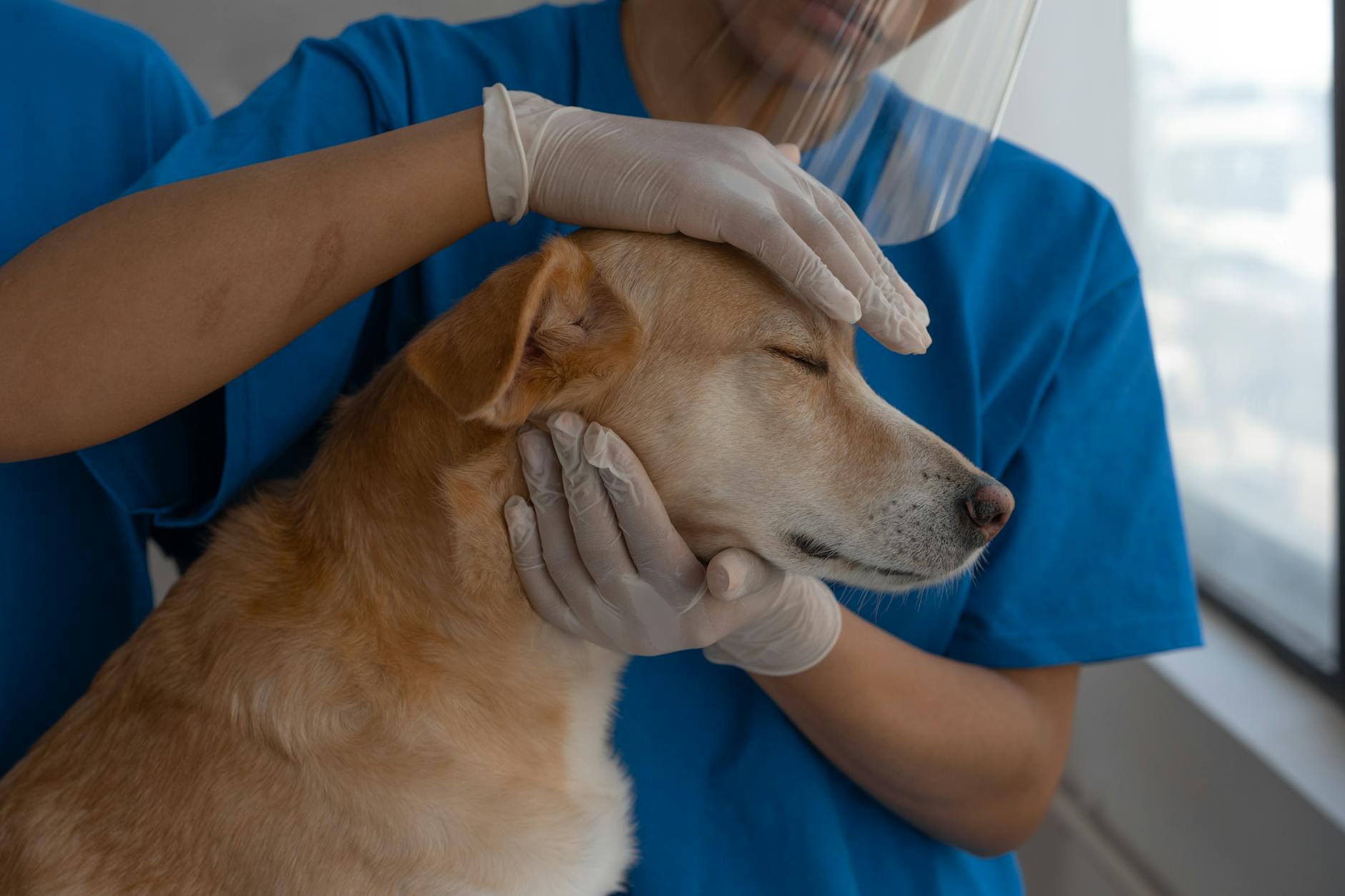
Understanding Lethargy in Dogs
Lethargy in dogs is characterized by decreased energy levels, a lack of enthusiasm, and a general disinterest in activities they typically enjoy. It’s more than just being tired after a long walk; it’s a persistent state of reduced activity and responsiveness. Understanding what constitutes normal behavior for your dog is the first step in recognizing when lethargy is a cause for concern. Think of it as a significant deviation from their baseline.
Common Causes of Lethargy

Numerous factors can contribute to lethargy in dogs, ranging from minor and temporary to serious and life-threatening. These include:
- Infections: Bacterial, viral, or parasitic infections can all cause lethargy.
- Pain: Arthritis, injuries, or other painful conditions can lead to reduced activity.
- Metabolic Diseases: Kidney disease, liver disease, and diabetes can disrupt energy levels.
- Heart Problems: Congestive heart failure and other heart conditions can cause fatigue and lethargy.
- Toxins: Exposure to toxins, such as antifreeze or certain medications, can induce lethargy.
- Anemia: A low red blood cell count can result in weakness and lethargy.
- Dietary Issues: Poor nutrition or sudden changes in diet can sometimes contribute.
- Cancer: Certain types of cancer can manifest with lethargy as a primary symptom.
Recognizing Warning Signs
While determining how long a dog should be lethargic before going to the vet, consider the presence of other warning signs. If lethargy is accompanied by any of the following, seek veterinary care immediately:
- Vomiting or diarrhea
- Loss of appetite
- Difficulty breathing
- Pale gums
- Weakness or collapse
- Seizures
- Abdominal pain or distention
- Increased thirst or urination
- Coughing
Establishing a Timeline for Veterinary Intervention
So, how long should a dog be lethargic before going to the vet? As a general rule, if lethargy persists for more than 24 hours, it warrants a veterinary visit. However, as mentioned above, the presence of any concerning accompanying symptoms should prompt immediate action, regardless of the duration of lethargy. The following table summarizes the key considerations:
| Duration of Lethargy | Accompanying Symptoms | Recommended Action |
|---|---|---|
| Less than 24 hours | None, dog is otherwise eating and drinking normally | Monitor closely. Ensure access to food and water. Provide a quiet, comfortable resting place. |
| Less than 24 hours | Mild vomiting or diarrhea (single episode), slight decrease in appetite | Monitor closely. Offer bland food and plenty of water. If symptoms worsen, contact your veterinarian. |
| 24 hours or more | Any level of lethargy | Schedule a veterinary appointment. |
| Any duration | Severe vomiting or diarrhea, difficulty breathing, pale gums, weakness, collapse, seizures, abdominal pain | Immediate veterinary attention is required. Treat as an emergency. |
What to Expect at the Vet
When you take your lethargic dog to the vet, be prepared to provide a detailed history of your pet’s symptoms, diet, and any potential exposures to toxins or other animals. The veterinarian will perform a physical examination and may recommend diagnostic tests such as blood work, urine analysis, and imaging (X-rays or ultrasound) to help determine the underlying cause of the lethargy.
Treatment Options
Treatment for lethargy depends entirely on the underlying cause. It may involve medications, fluids, surgery, or supportive care. Your veterinarian will develop a treatment plan tailored to your dog’s specific needs.
Prevention
While not all causes of lethargy are preventable, there are steps you can take to minimize your dog’s risk. These include:
- Maintaining a healthy diet
- Ensuring regular exercise
- Providing fresh, clean water at all times
- Keeping up-to-date on vaccinations and parasite prevention
- Avoiding exposure to toxins
- Scheduling regular veterinary checkups
Why Early Intervention Matters
Delaying veterinary care when your dog is lethargic can have serious consequences. Underlying conditions can worsen rapidly, leading to more complex and expensive treatments, and potentially even death. Early detection and treatment are crucial for maximizing your dog’s chances of a full recovery.
Home Monitoring and Care
While awaiting your vet appointment, carefully monitor your dog for any changes in their condition. Provide a quiet, comfortable resting place, and ensure they have access to fresh water. You can also offer small amounts of bland food, such as boiled chicken and rice, if they are willing to eat. Avoid giving any medications without consulting your veterinarian first.

Frequently Asked Questions About Lethargy in Dogs
How long should a dog be lethargic before going to the vet if they are also not eating?
If your dog is lethargic and refusing food, it’s a significant cause for concern. Even if the lethargy hasn’t persisted for 24 hours, the combination of lethargy and inappetence warrants a veterinary visit. A dog that refuses to eat is a sign of potentially serious underlying issues.
What if my dog is only mildly lethargic?
Mild lethargy, characterized by slight inactivity or reduced enthusiasm, might be observed for a few hours after strenuous activity. However, if it persists for more than 24 hours, or if you notice any other accompanying symptoms, it’s best to consult with your veterinarian. Err on the side of caution.
Can allergies cause lethargy in dogs?
Yes, allergies can contribute to lethargy in dogs. Allergic reactions can cause inflammation and discomfort, leading to reduced energy levels. If you suspect your dog has allergies, discuss allergy testing and management with your veterinarian.
Is lethargy more concerning in older dogs?
Lethargy is always a concern, but it can be especially worrisome in older dogs. Age-related conditions, such as arthritis or organ dysfunction, are more common in senior dogs and can manifest as lethargy. A vet check is very important.
How can I tell the difference between tiredness and lethargy?
Tiredness is usually temporary and resolves with rest. Lethargy is a persistent state of reduced activity and responsiveness that doesn’t improve with rest. Consider lethargy a notable deviation from your dog’s normal behavior and energy levels.
What diagnostic tests might the vet perform for lethargy?
Common diagnostic tests include a complete blood count (CBC), chemistry panel, urine analysis, and possibly imaging studies such as X-rays or ultrasound. These tests help rule out various underlying conditions and identify the cause of the lethargy. Your vet knows best what is needed.
Can stress cause lethargy in dogs?
Yes, stress can definitely contribute to lethargy. Significant stressors, such as moving to a new home, separation anxiety, or loud noises (fireworks), can temporarily lower a dog’s energy levels. Monitor your dog’s behavior closely and provide a calm environment.
Is lethargy a symptom of heartworm disease?
Yes, lethargy can be a symptom of heartworm disease, especially in more advanced stages. Regular heartworm prevention is crucial for protecting your dog’s health. If your dog has been missing doses, it might be related.
What should I do if my dog’s lethargy comes and goes?
Even if the lethargy is intermittent, it’s still worth investigating. Fluctuating symptoms can indicate underlying conditions that need to be addressed. Keep a detailed log of when the lethargy occurs and any potential triggers.
How do I describe the lethargy to my veterinarian?
Be as specific as possible when describing your dog’s lethargy. Note when you first noticed it, how often it occurs, and any accompanying symptoms. Provide a clear and concise picture of your dog’s overall condition.
Is lethargy a common symptom of kennel cough?
While the primary symptom of kennel cough is a persistent cough, lethargy can sometimes accompany it, especially in younger or immunocompromised dogs. Check your dog for other symptoms of upper respiratory infection.
Could a change in food cause lethargy?
A sudden change in your dog’s diet can sometimes lead to digestive upset and temporary lethargy. Introduce new foods gradually over a period of several days to minimize the risk of digestive issues. If it doesn’t resolve, contact your vet.