

Can Sheep Withstand a Rattlesnake Bite? Understanding Their Resilience
While sheep can survive a rattlesnake bite, their survival depends on several factors including the bite location, the amount of venom injected, and the sheep’s overall health. This article explores the factors influencing sheep’s resilience to rattlesnake venom and outlines preventative measures.
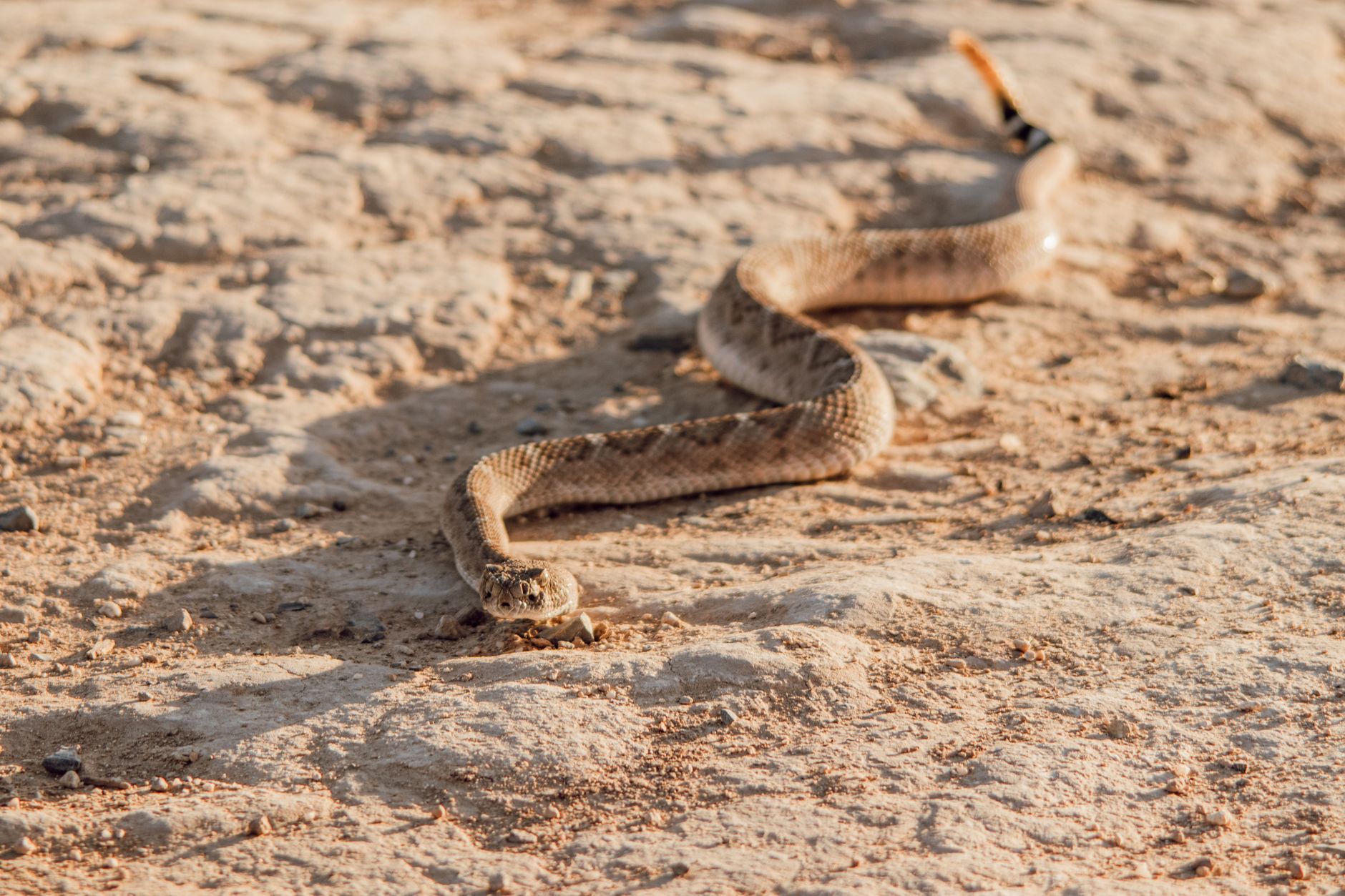
Introduction: The Sheep and the Snake
The American West, a landscape often shared by grazing sheep and venomous rattlesnakes, presents a unique ecological intersection. This intersection raises a crucial question for sheep ranchers and livestock enthusiasts: Can sheep withstand a rattlesnake bite? Understanding the physiological realities of this interaction is essential for responsible animal husbandry and mitigating potential losses. While not immune, sheep possess surprising, albeit limited, resistance to rattlesnake venom, a characteristic that stems from a confluence of evolutionary factors and physiological attributes. This article delves into the intricacies of this resilience, exploring the protective mechanisms at play and practical strategies for safeguarding sheep from these venomous encounters.

What colours are fish most attracted to?
Can you put your finger in a trout's mouth?
Is methylene blue anti bacterial?
Does aquarium salt raise pH in aquarium?
Factors Influencing Survival

Several key factors determine whether a sheep survives a rattlesnake bite. Understanding these variables allows ranchers to assess risk and implement appropriate protective measures.
- Location of the Bite: Bites to the muzzle, face, or throat are significantly more dangerous than those to the legs or body. Facial bites can cause severe swelling, compromising the sheep’s ability to breathe and graze.
- Venom Dosage: The amount of venom injected by the rattlesnake varies depending on the snake’s size, age, and recent feeding activity. A larger dose of venom dramatically reduces the sheep’s chances of survival.
- Sheep’s Size and Weight: Larger, more robust sheep tend to fare better than smaller, younger lambs. The venom’s effect is directly related to the animal’s mass.
- Overall Health: Sheep with pre-existing health conditions, such as parasites or malnutrition, are less likely to survive a rattlesnake bite. A healthy immune system offers better protection.
- Time to Treatment: As with any venomous bite, the speed of medical intervention is critical. Prompt veterinary care, including antivenom administration, significantly improves the outcome.
Sheep’s Natural Resistance
While not immune, sheep exhibit a certain degree of natural resistance to rattlesnake venom. This resistance stems from a combination of factors:
- Coagulation System: Sheep possess a more efficient blood clotting system than many other animals, which helps to limit the spread of venom and minimize tissue damage.
- Subcutaneous Fat Layer: The thick layer of wool and subcutaneous fat provides some protection against venom injection, effectively diluting the venom’s concentration.
- PASTEURELLA HAEMOLYTICA: Some argue that an abundance of this bacteria, found commonly in the respiratory tract of sheep, allows for some sort of defense against the venom. This theory is still not proven.
Signs and Symptoms of a Rattlesnake Bite
Identifying a rattlesnake bite quickly is crucial for effective treatment. Ranchers must be vigilant and aware of the telltale signs:
- Sudden Lameness: If the bite is on a leg, the sheep will likely exhibit sudden lameness.
- Swelling: Rapid and localized swelling around the bite site is a primary indicator.
- Pain and Distress: The sheep will show signs of pain, such as vocalization, restlessness, and reluctance to move.
- Bleeding: Puncture wounds from the fangs may be visible and bleeding.
- Difficulty Breathing: Facial bites can cause severe swelling in the airways, leading to labored breathing.
- Weakness and Collapse: In severe cases, the sheep may become weak and collapse.
Prevention Strategies
Proactive measures are essential for minimizing the risk of rattlesnake bites in sheep. Ranchers can implement several strategies to protect their flocks:
- Rattlesnake Fencing: Install snake-proof fencing around pastures and watering areas. These fences have small mesh sizes that prevent snakes from entering.
- Habitat Modification: Reduce snake habitats by clearing brush, rocks, and other debris that provide shelter and hiding places for rattlesnakes.
- Rattlesnake Roundups: Participate in or organize rattlesnake roundups in the area to reduce the local snake population. Note the ethical considerations and potential ecological impacts of such practices.
- Predator Control: Encourage natural predators of rattlesnakes, such as hawks, owls, and coyotes (with caution regarding livestock predation).
- Vaccination: Consider rattlesnake vaccination for sheep. Although it doesn’t guarantee immunity, it can provide some level of protection by stimulating antibody production.
Treatment Options
If a sheep is bitten by a rattlesnake, prompt veterinary care is essential. Treatment options may include:
- Antivenom: Antivenom is the most effective treatment for rattlesnake envenomation. However, it is expensive and may not always be readily available.
- Supportive Care: Supportive care includes pain management, wound cleaning, and administration of fluids and antibiotics to prevent infection.
- Wound Debridement: In some cases, surgical debridement may be necessary to remove damaged tissue and promote healing.
The Economics of Rattlesnake Bites
The financial impact of rattlesnake bites on sheep ranchers can be significant. Losses can include:
- Death of Sheep: The most direct cost is the loss of valuable livestock.
- Veterinary Expenses: Antivenom, supportive care, and other treatments can be costly.
- Reduced Productivity: Sheep that survive a rattlesnake bite may experience reduced productivity, such as decreased weight gain or milk production.
- Increased Management Costs: Preventative measures, such as fencing and habitat modification, can add to operational expenses.
To summarize in a table format:
| Cost Category | Description |
|---|---|
| Livestock Loss | Direct cost of losing sheep to rattlesnake bites. |
| Veterinary Care | Expenses for antivenom, antibiotics, pain medication, and surgical procedures. |
| Reduced Productivity | Lower weight gain, decreased milk production, and other performance declines. |
| Prevention Costs | Expenses for fencing, habitat modification, and other protective measures. |
Common Mistakes
Ranchers sometimes make mistakes that can increase the risk of rattlesnake bites or worsen the outcome. These mistakes include:
- Ignoring Warning Signs: Failing to recognize the presence of rattlesnakes in the area and neglecting to implement preventative measures.
- Delaying Treatment: Waiting too long to seek veterinary care after a sheep has been bitten.
- Improper Handling: Attempting to handle a rattlesnake without proper training or equipment.
- Over-Reliance on Home Remedies: Relying on unproven home remedies instead of seeking professional veterinary care.
Conclusion
Can sheep withstand a rattlesnake bite? The answer, as discussed, is complex. While sheep possess some degree of natural resistance, they are not immune. Their survival hinges on the bite location, venom dosage, the sheep’s health, and the speed of treatment. Ranchers must prioritize preventative measures, be vigilant for signs of bites, and seek prompt veterinary care to protect their flocks from the potentially devastating effects of rattlesnake envenomation. By understanding the risks and implementing appropriate strategies, ranchers can minimize losses and ensure the well-being of their sheep.
Frequently Asked Questions: Sheep and Rattlesnakes
Are lambs more susceptible to rattlesnake bites than adult sheep?
Yes, lambs are indeed more vulnerable due to their smaller size and weaker immune systems. The same amount of venom will have a greater impact on a lamb compared to a fully grown sheep. Ranchers should pay extra attention to protecting lambs from rattlesnake encounters.
Does rattlesnake venom affect wool production?
While a direct impact on wool production isn’t thoroughly documented, a severe rattlesnake bite can cause significant stress and illness in a sheep. This stress can temporarily disrupt the wool growth cycle, potentially leading to a slight reduction in yield or quality.
Is there a rattlesnake vaccine for sheep, and how effective is it?
Yes, there are rattlesnake vaccines available for livestock, including sheep. While the vaccine doesn’t provide complete immunity, it stimulates the production of antibodies against the venom, potentially reducing the severity of the reaction and increasing the chances of survival. Its efficacy can vary depending on the specific vaccine and the individual animal’s response.
How long does it take for a sheep to recover from a rattlesnake bite?
Recovery time varies depending on the severity of the bite and the effectiveness of the treatment. Mild bites with prompt treatment may result in recovery within a few days to a week. Severe bites can require weeks or even months for full recovery, and some sheep may suffer permanent damage.
What is the best way to remove a rattlesnake from a pasture?
The safest and most effective way to remove a rattlesnake is to contact a professional wildlife removal service or animal control. These professionals have the training and equipment to handle venomous snakes safely and humanely.
Do rattlesnakes actively seek out sheep to bite?
No, rattlesnakes do not actively seek out sheep as prey. They typically bite defensively when they feel threatened or are accidentally stepped on.
Are there certain breeds of sheep that are more resistant to rattlesnake venom?
There’s no conclusive evidence to suggest that specific breeds are inherently more resistant to rattlesnake venom. However, larger, more robust breeds may be better equipped to withstand the effects of the venom due to their greater body mass and potentially stronger immune systems.
What are the long-term effects of a rattlesnake bite on a sheep’s health?
Even after recovering from a rattlesnake bite, a sheep may experience long-term effects, such as scarring, chronic pain, or lameness. In some cases, tissue damage from the venom can lead to secondary infections.
Can a sheep develop immunity to rattlesnake venom after being bitten multiple times?
While it’s theoretically possible for a sheep to develop some degree of acquired immunity after multiple bites, this is a dangerous and unreliable proposition. The risks associated with repeated envenomation far outweigh any potential benefits. Vaccination is a much safer and more effective way to stimulate antibody production.
What kind of fencing is most effective at preventing rattlesnakes from entering pastures?
The most effective fencing for preventing rattlesnakes is snake-proof fencing made of small-mesh hardware cloth or similar material. The mesh should be no larger than 1/4 inch and buried several inches below the ground to prevent snakes from burrowing underneath.
Is it safe to use dogs to protect sheep from rattlesnakes?
Using dogs to protect sheep from rattlesnakes is a complex issue. Some dogs can be trained to alert their owners to the presence of snakes, but they also risk being bitten themselves. If considering this approach, it’s crucial to use dogs specifically trained for snake detection and to prioritize their safety.
How can I tell if a sheep has been bitten by a rattlesnake vs. another type of snake or insect?
Rattlesnake bites typically cause rapid and localized swelling, pain, and potential bleeding from the puncture wounds. Other types of snake bites or insect stings may cause similar symptoms, but the severity and speed of onset are often less pronounced. If in doubt, always consult with a veterinarian.