

Can Rhino Iguanas Eat Bananas? Exploring Their Dietary Needs
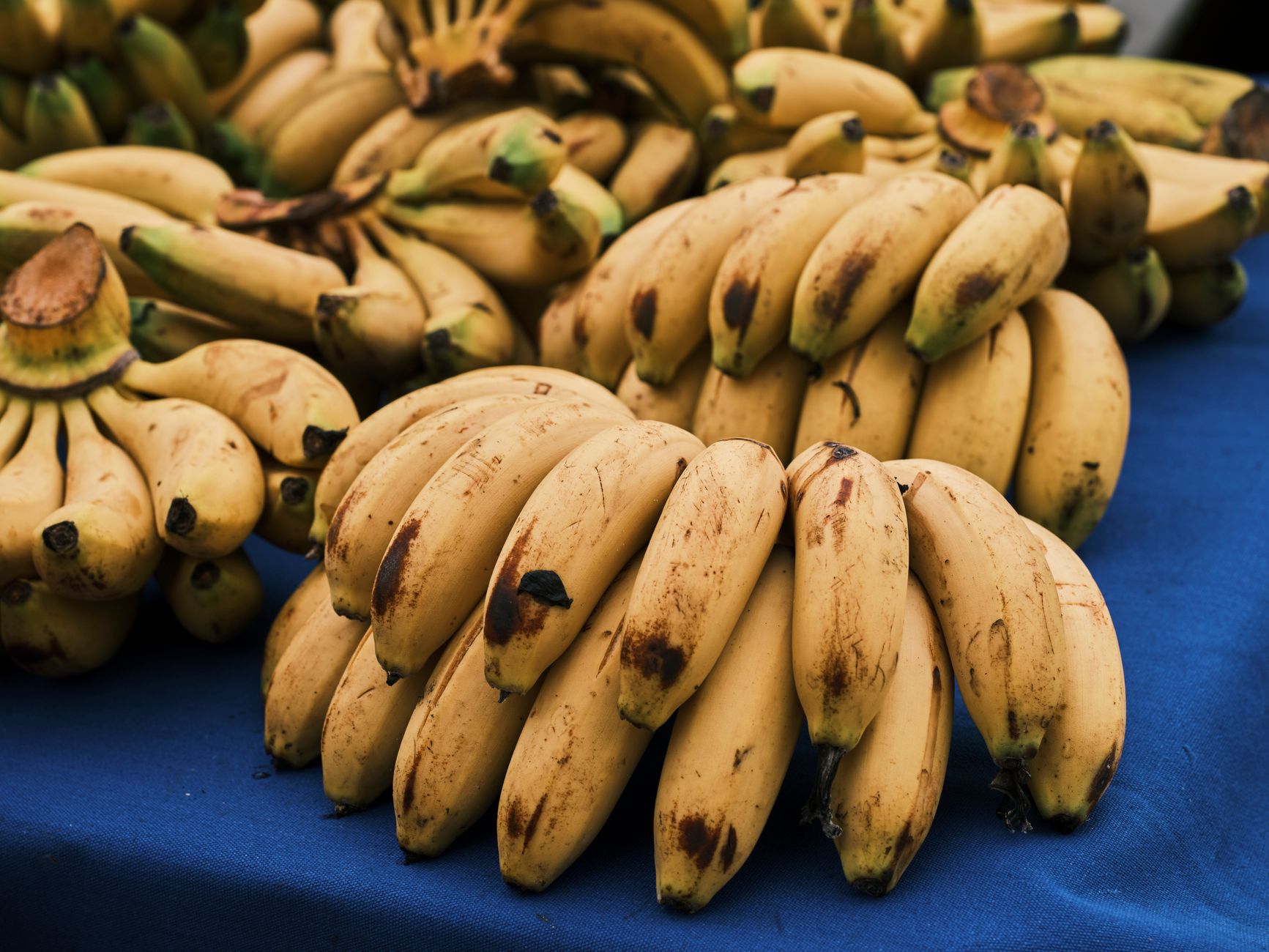
Rhino iguanas can eat bananas, but only as a very occasional treat, not as a staple food. Their primarily herbivorous diet needs to consist of leafy greens, vegetables, and specific formulated iguana diets to thrive.

Understanding the Rhino Iguana Diet
Rhino iguanas ( Cyclura cornuta ) are native to the Caribbean islands of Hispaniola and surrounding islands. These impressive reptiles have very specific dietary requirements that must be met to ensure their health and longevity in captivity. A proper diet prevents common health problems like metabolic bone disease (MBD) and obesity. Understanding their natural food sources is essential to creating a balanced diet in a captive environment.
What is the GREY African clawed frog?
Is distilled water good for goldfish?
What colours are fish most attracted to?
Can you put your finger in a trout's mouth?
The Importance of a Primarily Herbivorous Diet
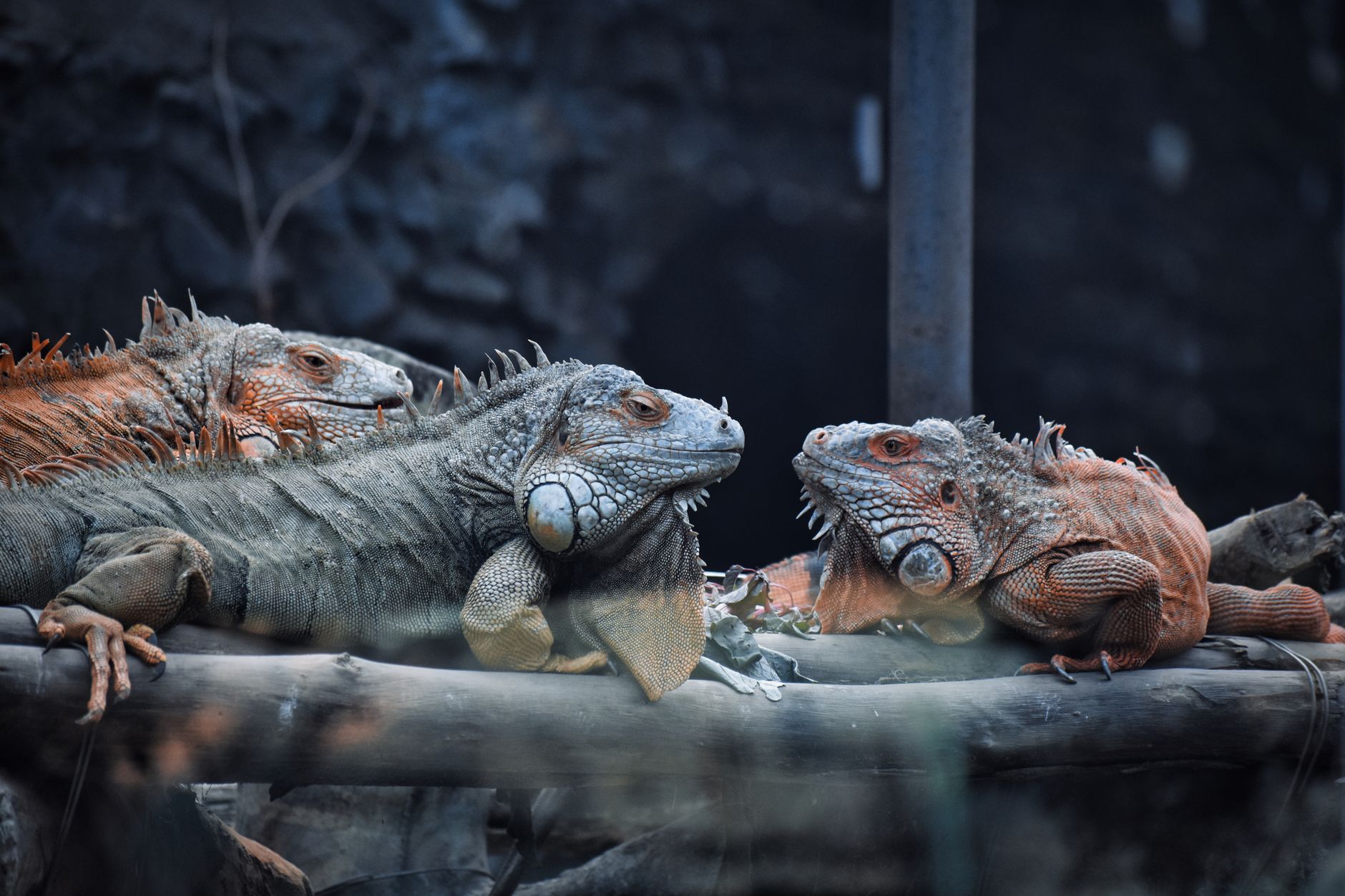
While rhino iguanas may occasionally consume insects or small invertebrates in the wild, their diet is overwhelmingly herbivorous. Their digestive systems are optimized to process plant matter, making leafy greens, vegetables, and fruits the cornerstone of their nutritional intake.
Nutritional Breakdown: What Rhino Iguanas Need
A healthy rhino iguana diet should consist of:
- Leafy Greens (50-60%): Collard greens, dandelion greens, mustard greens, turnip greens, escarole, and romaine lettuce. Avoid spinach, kale, and other high-oxalate greens in large quantities due to their potential to bind calcium.
- Vegetables (30-40%): Squash (butternut, acorn), carrots (grated), green beans, sweet potato (cooked), and bell peppers. Variety is key to providing a balanced nutrient profile.
- Fruits (5-10%): Berries, melons, and occasionally, bananas. Fruits should be offered sparingly due to their high sugar content.
- Commercial Iguana Food (Optional): High-quality, formulated iguana diets can supplement the diet and ensure the iguana receives all necessary vitamins and minerals.
Why Bananas Should Be Limited
While rhino iguanas may enjoy the sweet taste of bananas, they are not a suitable staple food for several reasons:
- High Sugar Content: Bananas are high in sugar, which can lead to obesity, dental problems, and other health issues in rhino iguanas.
- Low Nutritional Value: Compared to leafy greens and vegetables, bananas offer limited nutritional value. They are relatively low in calcium and other essential minerals that rhino iguanas require.
- Imbalanced Calcium-to-Phosphorus Ratio: Bananas have an imbalanced calcium-to-phosphorus ratio, which can interfere with calcium absorption and contribute to metabolic bone disease.
A Visual Guide to Safe and Unsafe Foods
| Food Category | Safe Foods | Foods to Avoid |
|---|---|---|
| :————- | :——————————————————————————- | :———————————————————————————- |
| Leafy Greens | Collard greens, dandelion greens, mustard greens, turnip greens, romaine lettuce | Spinach, kale (in large quantities), iceberg lettuce |
| Vegetables | Squash, carrots (grated), green beans, sweet potato (cooked), bell peppers | Avocado, rhubarb, anything from the onion family. |
| Fruits | Berries, melons (occasional), bananas (very occasional) | Citrus fruits (in large quantities), grapes |
| Other | Commercial iguana food (optional) | Meat, dairy, dog/cat food, processed human foods |
How to Offer Bananas Responsibly
If you choose to offer your rhino iguana bananas, do so sparingly. A small slice offered once or twice a month is generally acceptable as a treat. Always remove any uneaten banana to prevent spoilage.
Signs of Dietary Problems
Monitor your rhino iguana for signs of dietary problems, such as:
- Lethargy
- Loss of appetite
- Weight loss or gain
- Swollen limbs
- Deformed bones
If you observe any of these signs, consult with a reptile veterinarian immediately.
Frequently Asked Questions About Rhino Iguana Diets
What is metabolic bone disease (MBD), and how is it related to diet?
Metabolic bone disease (MBD) is a common and serious condition in captive reptiles caused by a deficiency in calcium or an imbalance in the calcium-to-phosphorus ratio. A diet lacking in calcium and vitamin D3 can lead to weakened bones, fractures, and even death. Providing a proper diet with adequate calcium supplementation and UVB lighting is crucial for preventing MBD.
Can I feed my rhino iguana dog or cat food?
Absolutely not. Dog and cat food are formulated for carnivores and contain high levels of protein and other nutrients that are harmful to rhino iguanas. Feeding your iguana dog or cat food can lead to kidney failure and other serious health problems.
How often should I feed my rhino iguana?
Young rhino iguanas should be fed daily, while adults can be fed every other day. Adjust the amount of food based on your iguana’s age, size, and activity level. Always provide fresh water.
What size should the food pieces be?
Chop vegetables and greens into small, manageable pieces that your rhino iguana can easily swallow. Grated or finely chopped food is ideal for younger iguanas.
Is it okay to give my iguana fruit every day?
No. Fruit should be offered sparingly due to its high sugar content. Too much fruit can lead to obesity and other health problems.
Can rhino iguanas eat spinach?
Spinach contains oxalates, which can bind to calcium and prevent its absorption. While a small amount of spinach occasionally is unlikely to cause harm, it should not be a regular part of the diet. Opt for greens that are lower in oxalates, like collard greens or romaine lettuce.
Do rhino iguanas need calcium supplements?
Yes, it’s generally recommended to dust their food with a calcium supplement a few times a week, especially for growing iguanas and breeding females. Choose a calcium supplement that also contains vitamin D3 for optimal calcium absorption. Consult with a veterinarian for specific dosage recommendations.
Are there any poisonous plants I should avoid?
Yes, avoid feeding your iguana any plants that are known to be toxic, such as avocado, rhubarb, and plants from the onion family. If you are unsure whether a plant is safe, do not feed it to your iguana.
How do I get my rhino iguana to eat its vegetables?
Offer a variety of vegetables and greens to find what your iguana enjoys. You can also try mixing the vegetables with a small amount of fruit to make them more appealing. Persistence and patience are key.
What is the best way to provide water for my rhino iguana?
Provide a large, shallow dish of fresh water for your iguana to drink and soak in. Change the water daily to prevent bacterial growth. You can also mist your iguana to help maintain humidity and encourage drinking.
My rhino iguana is not eating. What should I do?
A loss of appetite can be a sign of underlying health problems. Consult with a reptile veterinarian to determine the cause and receive appropriate treatment. Possible causes include stress, illness, improper temperature, and parasites.
Where can I find more information on rhino iguana care?
Reputable sources of information include reptile veterinarians, herpetological societies, and experienced rhino iguana keepers. Consulting multiple sources is recommended to ensure you are providing the best possible care for your iguana.