

Why is My Cat Standing On Me? Unveiling Feline Footprints
Why is your cat standing on you? It’s often a sign of affection, seeking warmth or attention, but it can also be related to asserting dominance or anxiety.
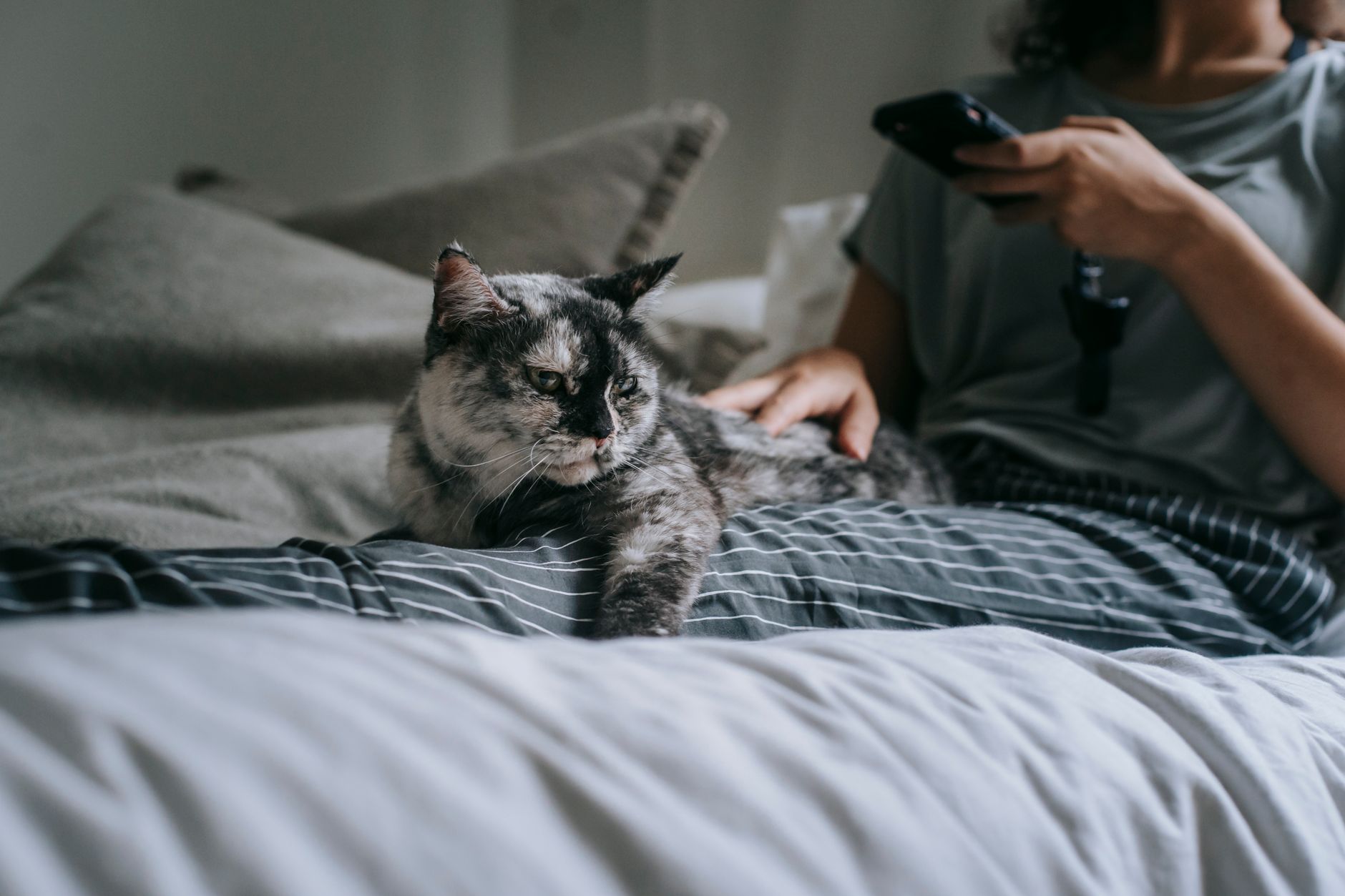
Understanding the Feline Footprint: A Multifaceted Mystery
Cats, those enigmatic creatures we share our homes with, often engage in behaviors that leave us scratching our heads (pun intended). One such behavior is the act of standing on their humans. While seemingly simple, this feline footprint can be attributed to a variety of motivations, each offering a glimpse into the complex world of cat communication.
The Comfort Connection: Seeking Warmth and Security
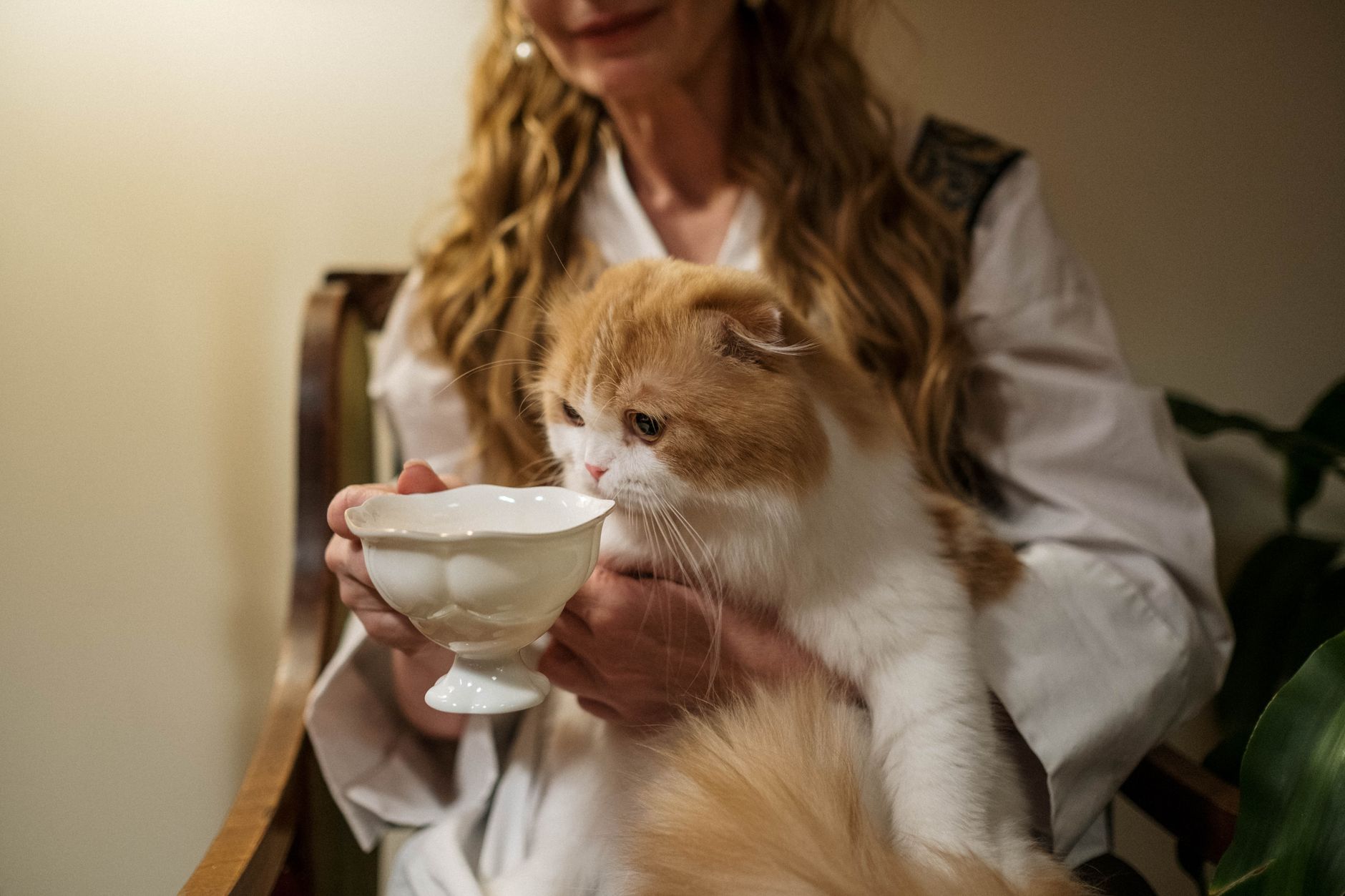
One of the most common reasons why your cat is standing on you is simply because you provide a comfortable and warm surface. Cats are naturally drawn to warmth, and your body heat is an irresistible lure.
- They may knead as they settle in, a behavior reminiscent of their kittenhood, when they would knead their mother’s belly to stimulate milk flow. This kneading, coupled with the warmth, provides a sense of comfort and security.
- A feeling of safety from danger or predators.
The Affection Factor: Expressing Love and Bonding
Beyond the physical comfort, standing on you can be a sign of affection. Cats express love in various ways, and physical contact is a key component.
- Scent marking: Cats have scent glands in their paws, and by standing on you, they are depositing their scent, essentially claiming you as part of their territory and reinforcing their bond with you.
- Purring: Often accompanied by standing and kneading, purring is a sign of contentment and relaxation, indicating your cat feels safe and loved in your presence.
The Attention Seekers: Demanding Your Undivided Focus
Sometimes, why your cat is standing on you is simply because they want your attention. Cats are intelligent creatures who quickly learn that certain behaviors elicit a response from their humans.
- If you consistently pet, talk to, or play with your cat when they stand on you, they will likely repeat the behavior to receive further attention.
- Especially when you’re engaged in something else, like working on a computer or reading a book, the need for their human’s full attention is escalated.
The Dominance Display: Asserting Their Place in the Hierarchy
While less common, standing on you can be a way for your cat to assert dominance. This is more likely to occur in multi-cat households or with cats who are naturally more assertive.
- By positioning themselves higher than you, they are visually establishing their perceived superiority.
- This behavior is often accompanied by other dominance displays, such as staring, blocking doorways, or preventing other cats from accessing resources.
Anxiety and Stress: Seeking Reassurance and Calm
In some cases, why your cat is standing on you can be a sign of anxiety or stress. Cats seek out their human companions for reassurance during times of uncertainty or fear.
- A sudden change in environment, such as a new pet or a move to a new house, can trigger anxiety and lead to increased clinginess.
- Thunderstorms, fireworks, or other loud noises can also cause stress, prompting your cat to seek comfort and security in your presence.
Interpreting the Cat’s Stance: A Holistic Approach
Understanding the context surrounding the behavior is crucial to accurately interpret why your cat is standing on you. Consider the following factors:
- Body language: Is your cat relaxed and purring, or tense and meowing?
- Environment: Is there anything that might be causing stress or anxiety?
- Routine: Has there been any change in your cat’s daily routine?
- Health: Rule out any underlying medical conditions that might be causing discomfort or anxiety.
Understanding each cat’s unique personality is important. One cat may stand on their human simply for warmth. Another may do so to establish dominance.
The table below offers a summary of potential reasons for the behavior:
| Reason | Explanation | Accompanying Behaviors |
|---|---|---|
| Warmth & Comfort | Seeking a warm and comfortable surface. | Kneading, purring, relaxed posture. |
| Affection | Expressing love and reinforcing the bond. | Purring, rubbing, scent marking. |
| Attention Seeking | Demanding your attention and interaction. | Meowing, pawing, staring. |
| Dominance | Asserting their place in the hierarchy. | Staring, blocking, preventing other cats from accessing resources. |
| Anxiety/Stress | Seeking reassurance and comfort during times of uncertainty. | Clinginess, hiding, trembling. |
Tips for Managing the Behavior
If you find your cat’s standing behavior disruptive or undesirable, there are several things you can do to manage it:
- Provide alternative comfortable surfaces: Offer warm blankets, heated beds, or cozy cat trees.
- Schedule regular playtime and petting sessions: Fulfill your cat’s need for attention and interaction.
- Identify and address sources of stress: Create a safe and predictable environment for your cat.
- Ignore the behavior when seeking attention: Avoid rewarding attention-seeking behaviors.
By understanding the underlying motivations behind your cat’s behavior, you can develop a stronger bond with your feline companion and create a harmonious living environment.

Frequently Asked Questions (FAQs)
Why do cats knead when they stand on you?
Cats knead as a remnant of their kittenhood, when they would knead their mother’s belly to stimulate milk flow. The behavior becomes associated with comfort and security, and they continue to perform it as adults when feeling relaxed and content. It is a positive sign, indicating the cat is at ease.
Is it bad to let my cat stand on me?
Generally, it is not bad to let your cat stand on you unless you are allergic, the cat has sharp claws that cause you pain, or the behavior is disruptive. However, some cats’ kneading can become painful, especially if their claws are long. You can gently discourage the behavior or trim your cat’s claws regularly.
My cat only stands on me at night. Why?
Cats are crepuscular, meaning they are most active at dawn and dusk. At night, your cat may be seeking warmth, security, or attention because they feel more vulnerable when it’s dark and quiet. Or they are simply bored and wanting to engage with you.
How do I stop my cat from standing on my chest while I’m sleeping?
Gently move your cat off your chest and redirect their attention to a nearby bed or a toy. You can also provide a warm, comfortable bed next to your bed to encourage them to sleep there instead. Consistency is key. Make sure that other family members are also doing this if the cat does it with them.
Does standing on me mean my cat loves me?
While not the only sign of affection, standing on you is often a sign that your cat feels comfortable and secure in your presence, and that they value your bond. It’s one of the many ways cats express their love and trust.
My cat is suddenly standing on me more often. What could be causing this?
A sudden increase in this behavior could indicate that your cat is experiencing stress, anxiety, or a change in their environment. Consider whether any changes have occurred in your household, such as a new pet, a move, or a change in routine. Seek veterinary advice if you suspect an underlying medical condition.
Can standing on me be a sign of a medical problem?
While less common, a sudden change in this behavior could be a sign of an underlying medical condition, especially if accompanied by other symptoms such as lethargy, loss of appetite, or changes in litter box habits. If concerned consult your vet.
My cat only stands on my lap when I’m working on my computer. Why?
This is a classic attention-seeking behavior. Your cat has learned that standing on your lap disrupts your work and elicits a response from you. Try scheduling regular playtime sessions to fulfill your cat’s need for attention.
Is kneading always a sign of happiness?
While kneading is usually associated with happiness and contentment, it can sometimes be a sign of anxiety or stress, particularly if the cat is kneading excessively or accompanied by other stress signals. If it comes on suddenly, observe the body language and behavior carefully.
Can I train my cat not to stand on me?
While it’s difficult to completely eliminate the behavior, you can redirect your cat’s attention to more appropriate surfaces or activities. Provide alternative comfortable spots and reward them with treats or praise when they use them.
Why do cats like standing on soft things?
Cats like soft surfaces because they provide comfort and warmth. It is similar to how humans appreciate soft blankets, pillows, or furniture. Cats enjoy the tactile sensation of plush materials against their paws and bodies. The same is true for a lap!
Does the cat’s breed impact this behavior?
While individual personalities vary, certain breeds are known to be more affectionate and clingy than others. Breeds like Ragdolls, Persians, and Siamese cats are more likely to seek out physical contact with their humans.