

Can Rabbits Get Pregnant Immediately After Giving Birth? The Alarming Truth About Postpartum Conception in Rabbits
Yes, rabbits can get pregnant almost immediately after giving birth. This phenomenon, known as postpartum conception, makes it vital for rabbit owners to understand the reproductive biology of these prolific creatures and take necessary preventative measures to avoid unintended litters.

Understanding the Rabbit Reproductive System
Rabbits are incredibly efficient reproducers, and their unique reproductive biology contributes to their rapid population growth. Unlike many mammals, female rabbits, called does, are induced ovulators. This means they don’t have a regular estrous cycle. Instead, ovulation is triggered by the act of mating. This increases the chances of fertilization whenever mating occurs. Can rabbits get pregnant straight after giving birth? Absolutely, and their physiology explains why.

Is distilled water good for goldfish?
What colours are fish most attracted to?
Can you put your finger in a trout's mouth?
Is methylene blue anti bacterial?
Postpartum Conception: The Immediate Pregnancy Risk
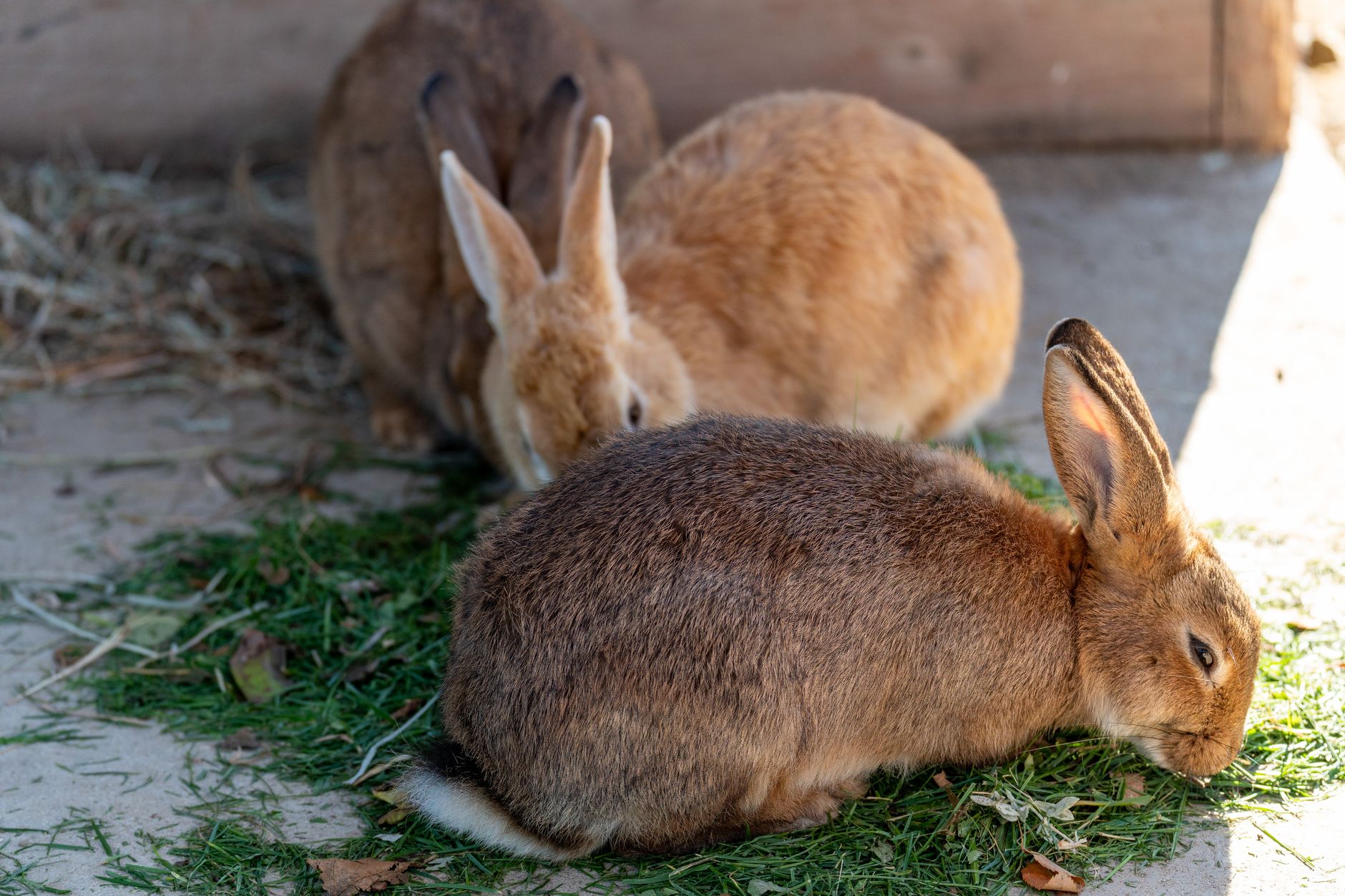
The most astonishing aspect of rabbit reproduction is the doe’s ability to conceive again within hours of giving birth. This is due to several factors:
- Continuous Receptivity: Does are generally receptive to mating throughout the year, without a defined breeding season.
- Induced Ovulation: Mating stimulates ovulation, making immediate fertilization possible.
- Uterine Capacity: A rabbit’s uterus is designed to accommodate multiple litters in relatively quick succession.
This constant potential for pregnancy makes it crucial for responsible rabbit owners to separate males (bucks) from females immediately after kindling (giving birth). Failing to do so will almost certainly result in another pregnancy.
Consequences of Constant Breeding
While rabbits are biologically primed for frequent pregnancies, constant breeding can have detrimental effects on the doe’s health and well-being. These include:
- Nutritional Depletion: Repeated pregnancies deplete the doe’s nutritional reserves, leading to weakness, illness, and a shortened lifespan.
- Increased Risk of Complications: Frequent pregnancies increase the risk of complications during pregnancy and kindling, such as dystocia (difficult birth) and uterine infections.
- Weaker Kits: Kits born to constantly bred does may be weaker and less healthy due to the doe’s depleted resources.
- Stress and Fatigue: Constant breeding places immense stress on the doe, affecting her overall quality of life.
Prevention Strategies: Ensuring Responsible Rabbit Ownership
The most effective way to prevent unwanted pregnancies and protect the health of your rabbits is to implement the following strategies:
- Separation of Sexes: The simplest and most reliable method is to house bucks and does separately. This is especially important after the doe gives birth.
- Spaying/Neutering: Spaying (removing the ovaries and uterus in females) and neutering (removing the testicles in males) are permanent and highly effective methods of preventing reproduction. Spaying also has significant health benefits for does, reducing the risk of uterine cancer.
- Early Weaning (with Caution): While technically possible, early weaning of kits (before 6-8 weeks) should only be done under the guidance of a veterinarian. It can be stressful for both the doe and the kits, and premature weaning can lead to health and behavioral problems. It does not, however, eliminate the risk that rabbits can get pregnant straight after giving birth if kept with a buck.
- Monitoring and Intervention: If accidental mating occurs, consult a veterinarian. There are some (often controversial) options, but none are as effective or ethical as proactive prevention.
| Strategy | Description | Effectiveness | Considerations |
|---|---|---|---|
| Separation of Sexes | Housing bucks and does in separate cages or enclosures. | High | Requires adequate space and facilities. |
| Spaying/Neutering | Surgical removal of reproductive organs. | 100% | Requires veterinary intervention and involves a recovery period. |
| Early Weaning | Separating kits from the doe before the typical weaning age. | Low | Stressful for both doe and kits; requires careful monitoring and supplementation. Does not prevent a new pregnancy in the days directly after birth. |
The Ethics of Rabbit Breeding
Rabbit breeding, whether intentional or accidental, comes with ethical considerations. Overpopulation in shelters is a significant problem, and irresponsible breeding contributes to this issue. Before breeding rabbits, carefully consider the following:
- Commitment to Care: Are you prepared to provide lifelong care for all the offspring? This includes housing, feeding, and veterinary care.
- Finding Homes: Are you confident that you can find responsible and loving homes for all the kits?
- Genetic Considerations: Are you knowledgeable about rabbit genetics and health issues? Breeding rabbits with known genetic problems is unethical.
- Shelter Capacity: Contact local rabbit rescues and shelters to assess the need for more rabbits in your area.
Frequently Asked Questions (FAQs)
1. How soon can a rabbit get pregnant after giving birth?
A doe can get pregnant within hours of giving birth. This is why immediate separation of the buck is crucial. Can rabbits get pregnant straight after giving birth? The answer is a resounding yes.
2. What are the signs of pregnancy in rabbits?
Signs of pregnancy in rabbits can be subtle, especially in the early stages. Common signs include weight gain, increased appetite, nest-building behavior (pulling out fur), and changes in temperament. Palpation (gentle feeling of the abdomen) can be performed by a veterinarian to confirm pregnancy.
3. How long is a rabbit’s gestation period?
The gestation period for rabbits is relatively short, typically lasting between 28 and 31 days.
4. How many litters can a rabbit have in a year?
Rabbits are capable of having multiple litters per year, potentially as many as 10 or more, if allowed to breed continuously. This highlights the importance of preventing unintended pregnancies.
5. Is it safe for a rabbit to be pregnant back-to-back?
No, it is not safe for a rabbit to be pregnant back-to-back. Constant breeding can severely deplete the doe’s nutritional reserves and lead to health problems.
6. Can I handle baby rabbits?
It is generally safe to handle baby rabbits, but do so gently and with clean hands. If the mother rabbit is particularly protective, limit handling or wear gloves that smell like her environment.
7. What should I feed a pregnant rabbit?
A pregnant rabbit requires a high-quality diet rich in nutrients. This includes unlimited access to fresh hay, a balanced rabbit pellet, and fresh greens. Supplementation with alfalfa hay can be beneficial during pregnancy.
8. What is a nest box, and why is it important?
A nest box is a safe and enclosed space where the doe can give birth and nurse her kits. It should be lined with soft bedding, such as hay or shredded paper. Providing a nest box helps the doe feel secure and reduces stress.
9. What is false pregnancy in rabbits?
False pregnancy (pseudopregnancy) is a condition where a doe exhibits signs of pregnancy without actually being pregnant. She may build a nest, pull out fur, and even produce milk. This is caused by hormonal fluctuations.
10. What are the risks of spaying a rabbit?
Spaying is generally considered a safe procedure, but as with any surgery, there are potential risks. These include anesthesia complications, infection, and bleeding. However, the long-term benefits of spaying, such as preventing uterine cancer, often outweigh the risks.
11. What are the benefits of neutering a male rabbit?
Neutering male rabbits offers several benefits, including preventing unwanted pregnancies, reducing aggression, and eliminating urine spraying behavior.
12. Where can I find more information about rabbit care and breeding?
Consult with a veterinarian experienced in rabbit care, and reputable rabbit organizations such as the House Rabbit Society. These resources can provide valuable information and guidance on rabbit health, breeding, and responsible ownership.