

Can Pet Fish Live in a Bowl?
Can pet fish live in a bowl? The short answer is generally no, goldfish and most other commonly kept fish cannot thrive in a simple bowl due to inadequate space, filtration, and environmental control necessary for their health and well-being.
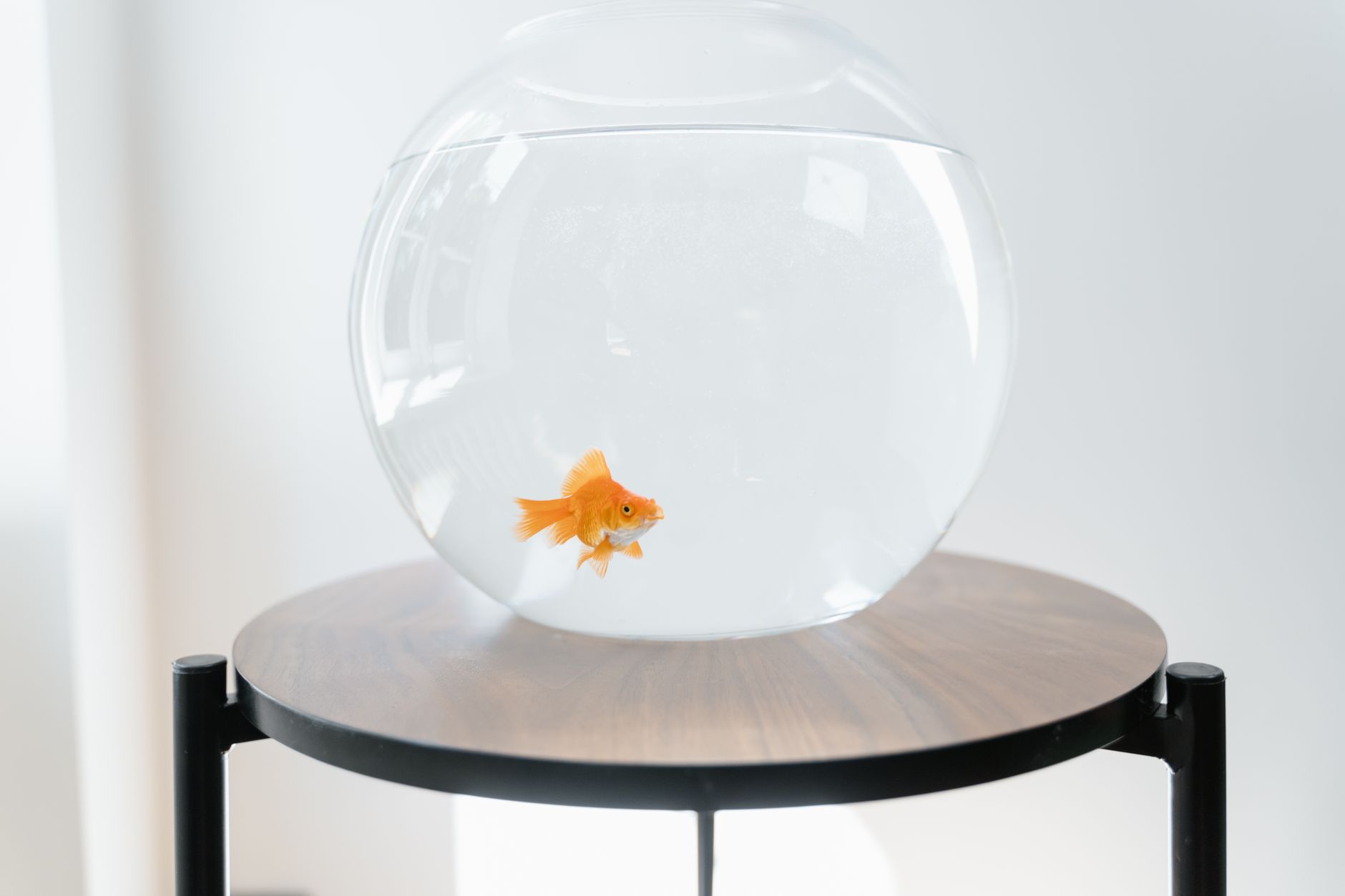
The Allure of the Fishbowl: A History and Misconception
The image of a goldfish swimming serenely in a small, round bowl is deeply ingrained in popular culture. It conjures a sense of simplicity and low-maintenance pet ownership. However, this romanticized picture often clashes harshly with the reality of fishkeeping and the biological needs of aquatic creatures. The truth is, keeping fish in a bowl often leads to compromised health, stunted growth, and a significantly shortened lifespan. The popularity of the bowl stems from ease of availability and perceived affordability. However, the long-term costs (both financial and ethical) of maintaining an unsuitable environment are far greater.

Are fish heads good for the garden?
Can fish hear water?
What is cotton rot in fish?
What colours are fish most attracted to?
Why Fishbowls Are Generally Inadequate

While some very small invertebrates and specialized species might tolerate a meticulously maintained and appropriately sized bowl environment, most commonly kept pet fish cannot. The problems are multifaceted.
- Limited Space: Fish need space to swim, explore, and exhibit natural behaviors. A small bowl restricts movement and can cause stress.
- Poor Water Quality: Bowls lack the surface area needed for sufficient gas exchange, leading to low oxygen levels. Additionally, waste products build up quickly, poisoning the fish.
- Lack of Filtration: Without a filter, ammonia and nitrites (toxic byproducts of fish waste) accumulate, leading to ammonia poisoning and potential death.
- Inadequate Temperature Control: Bowls are susceptible to temperature fluctuations, which can stress fish and weaken their immune systems. Heaters and chillers are difficult to implement effectively in a small bowl.
- Difficulty Maintaining a Stable Ecosystem: A healthy aquarium relies on a balanced ecosystem of beneficial bacteria. These bacteria are difficult to establish and maintain in a small bowl.
Alternative Housing Options: Prioritizing Fish Welfare
The key to responsible fishkeeping is providing an environment that mimics the natural habitat of the species being kept as closely as possible. Larger tanks are always preferable. Here are some alternative housing options:
- Standard Aquarium Tanks: These rectangular tanks offer more space, better filtration options, and greater stability than bowls.
- Specialized Tanks: Certain fish (e.g., bettas) can thrive in smaller, well-maintained tanks designed specifically for their needs. However, these tanks still require filtration and heating.
- Ponds (for Outdoor Fish): Suitable for certain goldfish varieties in appropriate climates, provided adequate filtration and protection from predators are implemented.
Essential Equipment for a Healthy Fish Environment
Regardless of the tank size, several key pieces of equipment are necessary for maintaining a healthy aquatic environment:
- Filter: Essential for removing waste products and maintaining water quality. Choose a filter appropriate for the tank size and bioload.
- Heater (if needed): Maintain a stable and appropriate temperature for the species being kept.
- Thermometer: Monitor water temperature to ensure it remains within the ideal range.
- Lighting (if needed): Provide adequate lighting for plant growth and fish health.
- Gravel/Substrate: Provides a surface for beneficial bacteria to colonize and helps anchor plants.
- Decorations: Offer hiding places and create a more natural environment for the fish.
Setting Up a Fish Tank: A Step-by-Step Guide
Here’s a general overview of setting up a new aquarium:
- Choose the right tank: Select a tank size appropriate for the fish you plan to keep.
- Position the tank: Place the tank in a stable location away from direct sunlight and heavy traffic.
- Add substrate: Rinse the gravel or substrate thoroughly before adding it to the tank.
- Install equipment: Set up the filter, heater, and lighting.
- Fill the tank: Fill the tank with dechlorinated water.
- Cycle the tank: Allow the tank to cycle for several weeks to establish beneficial bacteria before adding fish. This is crucial for their survival.
- Add fish gradually: Introduce fish slowly to avoid overwhelming the biological filter.
Common Mistakes to Avoid
- Overcrowding: Keeping too many fish in a small tank leads to poor water quality and stress.
- Overfeeding: Uneaten food decomposes and pollutes the water.
- Neglecting water changes: Regular water changes are essential for removing waste products.
- Using tap water without dechlorinating: Chlorine and chloramine are toxic to fish.
- Adding fish too soon: Adding fish before the tank has cycled can lead to ammonia poisoning.
Ethical Considerations
Ultimately, the question of whether can pet fish live in a bowl? isn’t just about technical feasibility, but about ethical responsibility. Keeping fish in inadequate conditions is inhumane and deprives them of their basic needs. By providing a suitable environment, we can ensure that our fish live healthy and fulfilling lives. The well-being of the animal must always be prioritized.
Frequently Asked Questions (FAQs)
Are there any fish that can actually live happily in a bowl?
While some invertebrates like snails and shrimp might tolerate a very small, well-maintained bowl, there are no fish species that truly thrive in a bowl environment long-term. Even bettas, often marketed for bowls, benefit greatly from a larger, filtered, and heated aquarium. Their long-term health and quality of life are significantly improved.
What is the minimum tank size for a goldfish?
A single common goldfish requires a minimum of 20 gallons of water, and fancy goldfish require at least 10 gallons per fish. This larger volume helps to dilute waste products and provide ample swimming space. Goldfish grow remarkably large and have high bioloads.
How often should I change the water in my fish tank?
The frequency of water changes depends on the tank size, fish population, and filter type. Generally, a 25-50% water change should be performed every 1-2 weeks. Always use dechlorinated water. Test your water parameters regularly to determine the optimal water change schedule.
What is “cycling” a fish tank, and why is it so important?
Cycling a fish tank refers to establishing a colony of beneficial bacteria that convert toxic ammonia and nitrites into less harmful nitrates. This process is essential for creating a safe and healthy environment for fish. Without cycling, ammonia and nitrite levels will build up and poison the fish.
How do I know if my fish tank is properly cycled?
You can test the water using a liquid test kit. A cycled tank will have zero ammonia and nitrite, and a measurable amount of nitrate. The entire cycling process can take 4-8 weeks.
Can I use tap water in my fish tank?
Tap water can be used, but it must be treated with a dechlorinator to remove chlorine and chloramine, which are toxic to fish. Many dechlorinators also neutralize heavy metals present in tap water.
How do I know if my fish is sick?
Signs of illness in fish can include lethargy, loss of appetite, clamped fins, abnormal swimming behavior, and visible sores or parasites. Early detection is crucial for successful treatment.
What do I do if my fish is sick?
Quarantine the sick fish in a separate tank to prevent the spread of disease. Research the symptoms and possible causes, and administer appropriate medication. Consult with a veterinarian experienced in fish care if necessary. Maintaining pristine water quality is often the best initial step.
What should I feed my fish?
Feed your fish a high-quality food that is appropriate for their species. Avoid overfeeding, and remove any uneaten food after a few minutes. The food container will often provide general guidelines on how much to feed, and how often.
Can I keep different types of fish together?
Some fish species are compatible with others, while others are not. Research the compatibility of different species before introducing them to the same tank. Avoid keeping aggressive or territorial fish with peaceful ones.
How long do goldfish live?
With proper care, goldfish can live for 10-15 years, or even longer. Keeping them in a bowl drastically reduces their lifespan.
Is it cruel to keep fish in captivity?
Whether keeping fish in captivity is cruel is a matter of personal opinion. However, if you choose to keep fish, it is your responsibility to provide them with a suitable environment that meets their needs. By prioritizing their well-being, you can ensure that they live healthy and fulfilling lives.