

Can Music Bother Fish? The Underwater Symphony of Sound and Sensitivity
Can music bother fish? The answer is a resounding yes, under certain conditions; while fish lack external ears, they are sensitive to sound and vibration, and excessive noise, including music, can negatively impact their health and behavior.

The Underwater World of Sound
The perception of sound isn’t exclusive to land dwellers with ears. In the aquatic realm, sound waves travel with remarkable efficiency, often farther and faster than they do in the air. This creates a vibrant, albeit often noisy, underwater acoustic environment. Can music bother fish? To understand this, we need to understand how fish perceive sound.
- Fish lack the external ear structure that humans possess.
- However, they possess internal ear structures that are highly sensitive to vibrations.
- Many fish also have a lateral line system, a sensory organ running along their sides, capable of detecting pressure changes and vibrations in the water.
These mechanisms combine to give fish a sophisticated understanding of their sonic surroundings. They rely on sound for:
- Predator Detection: Recognizing the subtle sounds of approaching threats.
- Prey Location: Identifying the vibrations created by potential food sources.
- Communication: Some species communicate through specific sounds, particularly during mating rituals.
- Navigation: Using ambient soundscapes to orient themselves within their environment.

Are fish heads good for the garden?
Can fish hear water?
What is cotton rot in fish?
What colours are fish most attracted to?
The Impact of Anthropogenic Noise
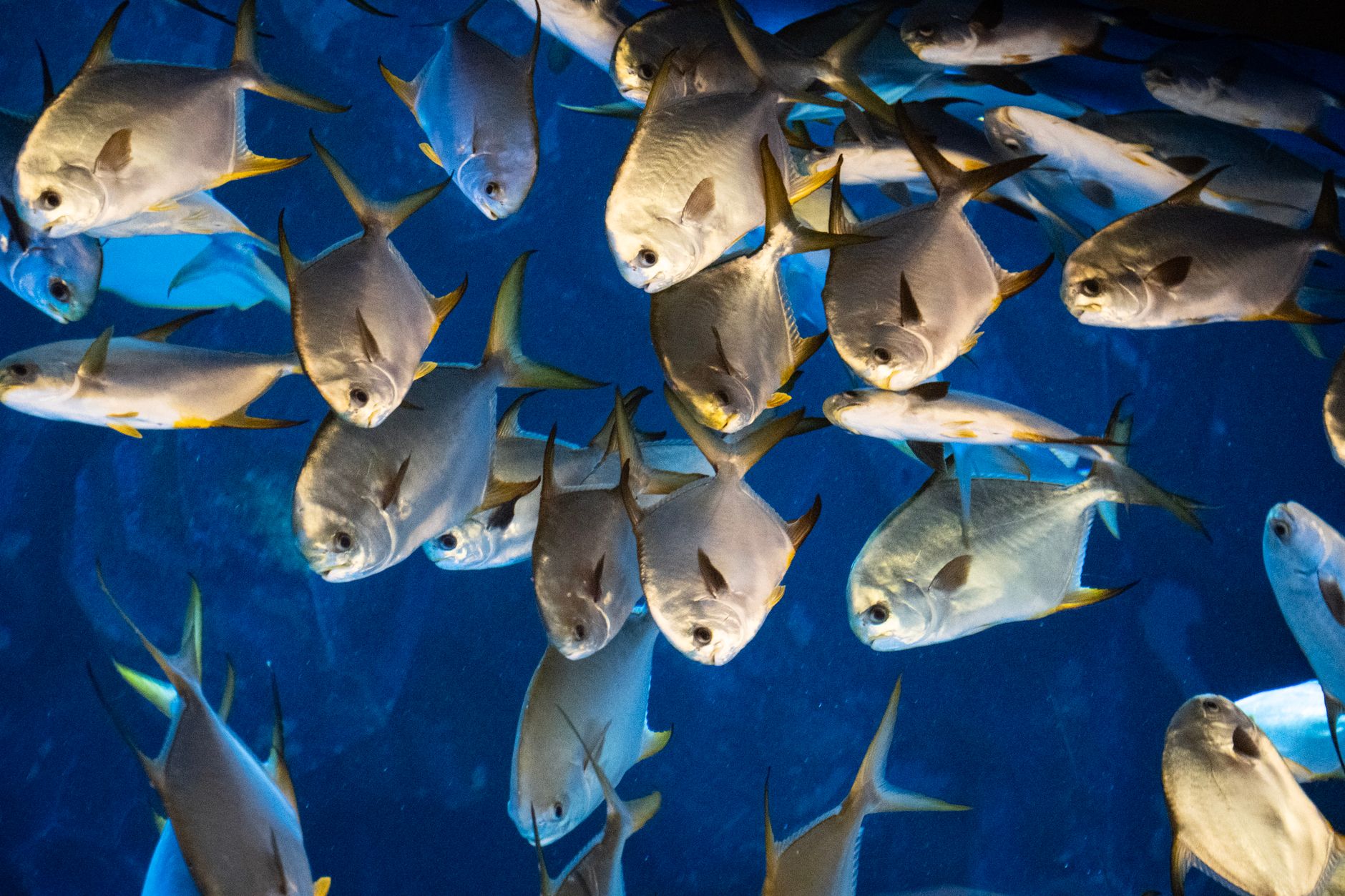
Human activities are increasingly contributing to underwater noise pollution. This includes:
- Shipping traffic
- Construction activities (e.g., pile driving)
- Sonar usage
- Industrial processes
- And yes, even recreational activities like playing music underwater.
This cacophony of man-made sounds can have detrimental effects on fish.
The Effects of Music on Fish
So, can music bother fish specifically? The answer is nuanced, depending on several factors:
- Volume: Loud music, regardless of genre, is generally disruptive. High decibel levels can cause physical damage to their hearing structures, especially the otoliths within their inner ear, which are critical for balance and hearing.
- Frequency: Different frequencies of sound have different impacts. Low-frequency noise tends to travel farther in water and can be particularly disturbing.
- Duration: Prolonged exposure to any type of irritating sound is more harmful than short bursts.
- Species: Some fish species are more sensitive to sound than others. For example, species that rely heavily on acoustic communication may be more affected.
- Context: The context in which the sound is presented also matters. If a fish is already stressed (e.g., due to poor water quality), it may be more susceptible to negative impacts from music.
Some documented effects of excessive noise, including loud music, on fish include:
- Stress: Elevated cortisol levels, indicating physiological stress.
- Behavioral Changes: Altered swimming patterns, decreased feeding, and disrupted schooling behavior.
- Hearing Loss: Temporary or permanent damage to hearing organs.
- Reproductive Interference: Disruption of mating rituals and reduced reproductive success.
- Masking: Noise can mask important communication signals or predator/prey detection cues.
Mitigating the Impact
While total elimination of underwater noise may not be possible, steps can be taken to minimize its impact on fish:
- Reduce Volume: Lowering the volume of music played near aquatic environments is a simple and effective step.
- Avoid Prolonged Exposure: Limiting the duration of musical performances or activities near fish habitats.
- Sound Barriers: Implementing physical barriers to dampen sound transmission.
- Species-Specific Considerations: Considering the specific sensitivities of fish species in the area.
- Educate the Public: Raising awareness about the potential impacts of noise pollution on aquatic life.
- Choosing the Right Music: While loud music is generally harmful, research suggests that certain types of music with calmer melodies and frequencies might be less disruptive. This is a complex area and requires further study.
| Mitigation Strategy | Description | Benefit |
|---|---|---|
| Volume Reduction | Lowering the decibel level of music played near water. | Minimizes the risk of hearing damage and stress. |
| Exposure Limitation | Shortening the duration of musical activity near fish habitats. | Reduces the cumulative impact of noise. |
| Sound Barriers | Using physical barriers to block or absorb sound waves. | Prevents sound from reaching fish habitats. |
| Species Consideration | Factoring in the sensitivity of local fish species. | Tailors mitigation efforts to specific needs. |
| Public Education | Increasing awareness of the effects of noise on aquatic life. | Promotes responsible behavior. |
Frequently Asked Questions (FAQs)
Do all types of music bother fish equally?
No, the type of music does matter. While extremely loud any type of music is problematic, studies suggest that fish might be less reactive to music with calmer melodies and frequencies. The disruptive effects are often more pronounced with loud, aggressive music with sudden changes in tempo or volume. Further research is needed to determine the full extent of musical preferences (or lack thereof) in fish.
Can music actually kill fish?
Yes, under extreme circumstances. Prolonged exposure to extremely loud music can lead to physiological stress, hearing damage, and ultimately, death. This is more likely in confined environments where fish cannot escape the noise.
Are freshwater fish more or less sensitive to music than saltwater fish?
There’s no definitive answer to this question. Sensitivity to sound varies greatly between species, regardless of whether they live in freshwater or saltwater. However, sound travels differently in freshwater and saltwater, which could influence how fish perceive music.
Does the size of the fish tank affect how music impacts fish kept as pets?
Yes, the size of the tank significantly affects the impact of music. Smaller tanks amplify the sound, making it more intense and potentially harmful to the fish. Fish in larger tanks have more space to move away from the source of the noise.
What are the signs that music is bothering my fish?
Signs that music is bothering your fish may include:
- Erratic swimming behavior: Darting around the tank or hiding excessively.
- Loss of appetite: Refusing to eat.
- Changes in coloration: Becoming paler or darker than usual.
- Increased gill movement: Indicating stress.
- Lethargy: Appearing sluggish or inactive.
Is it okay to play music for my fish if the tank is far away from the speakers?
Even if the tank is far from the speakers, vibrations can still travel through the air and into the water. It’s best to keep the volume low and avoid playing music directly at or near the tank.
Can vibrations from bass speakers affect fish?
Yes, vibrations from bass speakers are a major concern. Low-frequency sounds travel well through water and can cause significant disturbance to fish, potentially damaging their sensory organs.
Is it better to use headphones near a fish tank instead of playing music out loud?
Yes, using headphones is a much better option. Headphones minimize the transmission of sound and vibrations into the environment, reducing the risk of disturbing your fish.
Can playing music through a fish tank decoration bother fish?
Absolutely. Playing music through a fish tank decoration is highly likely to bother fish as it directly transmits vibrations into their environment. This is never a good idea.
Are certain fish species more tolerant to music than others?
Yes, some species may be more tolerant than others. Generally, fish that are naturally found in noisy environments (e.g., near waterfalls) might be somewhat more accustomed to sound. However, loud music is still generally harmful to all fish species.
What research has been done on the impact of music on fish?
Numerous studies have investigated the impact of noise pollution on fish, including some that have specifically looked at the effects of music. These studies have shown that noise can cause stress, behavioral changes, and hearing damage in fish. The body of research continues to grow, focusing on specific frequencies and species.
What should I do if I suspect my music is bothering my fish?
If you suspect that your music is bothering your fish, immediately reduce the volume or stop playing it altogether. Observe your fish for any signs of stress and make adjustments to their environment if necessary. Consult with a veterinarian specializing in aquatic animals if you have serious concerns.