
Can Mold Cause Long Term Health Problems? A Comprehensive Guide
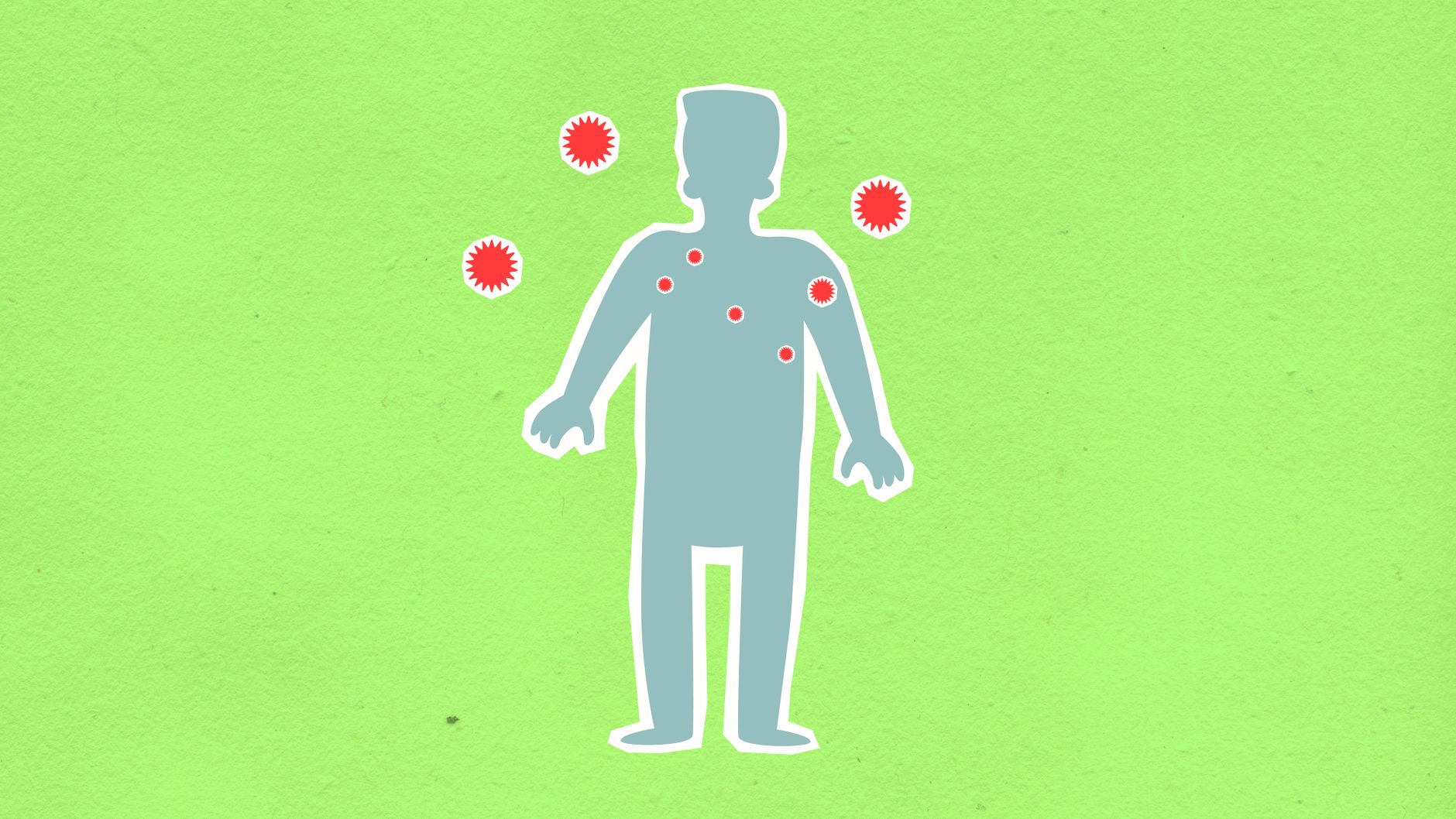
Yes, exposure to mold can indeed cause long-term health problems, particularly in susceptible individuals. While not everyone reacts the same way, chronic exposure to certain types of mold, and their associated toxins (mycotoxins), can lead to a range of persistent and debilitating health issues.
Understanding the Mold Threat
Mold is ubiquitous, existing practically everywhere, both indoors and outdoors. It thrives in damp, humid environments and reproduces by releasing tiny spores into the air. While some molds are harmless, others can produce toxins that can negatively impact human health. Identifying the specific types of mold present and the extent of the exposure is crucial in assessing the potential risk.
The Role of Mycotoxins
Mycotoxins are toxic compounds produced by certain types of mold. These toxins can be inhaled, ingested, or absorbed through the skin, leading to a variety of health problems. The severity of the reaction depends on factors such as the type of mold, the concentration of mycotoxins, the duration of exposure, and the individual’s susceptibility.
Long-Term Health Problems Associated with Mold Exposure
The potential for long-term health problems from mold exposure is a complex and evolving area of research. While more research is needed to fully understand the long-term effects, existing studies and clinical observations suggest several potential health issues:
- Respiratory Illnesses: Chronic mold exposure can exacerbate existing respiratory conditions like asthma and allergies. It can also lead to the development of new respiratory problems such as chronic bronchitis, hypersensitivity pneumonitis, and even, in rare cases, pulmonary hemorrhage (particularly in infants).
- Neurological Issues: Some studies have linked chronic mold exposure to neurological problems, including cognitive impairment, memory loss, difficulty concentrating, headaches, and even mood disorders like depression and anxiety. The precise mechanisms are not fully understood, but some believe that mycotoxins can disrupt neurological function.
- Immune System Dysfunction: Mold exposure can trigger an inflammatory response in the body, leading to chronic inflammation and immune system dysfunction. This can manifest as fatigue, muscle aches, joint pain, and increased susceptibility to infections.
- Skin Irritation and Allergies: Long-term exposure can cause persistent skin rashes, hives, and other allergic reactions.
- Gastrointestinal Problems: Some individuals experience gastrointestinal problems like nausea, vomiting, diarrhea, and abdominal pain as a result of mold exposure, particularly through the ingestion of contaminated food.
Factors Influencing Susceptibility
Not everyone exposed to mold will develop long-term health problems. Several factors influence an individual’s susceptibility:
- Age: Infants, young children, and the elderly are generally more vulnerable to the effects of mold exposure due to their developing or weakened immune systems.
- Pre-existing Conditions: Individuals with pre-existing respiratory conditions, allergies, or compromised immune systems are at higher risk.
- Genetic Predisposition: Some research suggests that genetic factors may play a role in an individual’s susceptibility to mold-related illnesses.
- Duration and Level of Exposure: The longer and more intense the exposure, the greater the risk of developing health problems.
- Type of Mold: Different types of mold produce different types and levels of mycotoxins.
Frequently Asked Questions (FAQs)

What colours are fish most attracted to?
Can you put your finger in a trout's mouth?
Is methylene blue anti bacterial?
Does aquarium salt raise pH in aquarium?
FAQ 1: What are the most dangerous types of mold?

While any mold growth should be addressed, some are known for producing potent mycotoxins. Stachybotrys chartarum (black mold) is perhaps the most infamous, but Aspergillus, Penicillium, and Fusarium species are also common culprits. Identification requires professional testing.
FAQ 2: How can I tell if mold is making me sick?
Symptoms vary widely, but common signs include persistent respiratory problems (coughing, wheezing, shortness of breath), unexplained fatigue, headaches, memory problems, skin rashes, and eye irritation. If you suspect mold exposure, consult a doctor.
FAQ 3: How is mold-related illness diagnosed?
Diagnosis can be challenging as symptoms overlap with other conditions. Doctors may use a combination of medical history, physical examination, allergy testing, blood tests (to check for mold antibodies), and imaging studies to evaluate potential mold-related health problems. Environmental testing of your home is also crucial.
FAQ 4: What is the treatment for mold-related illness?
Treatment depends on the specific symptoms and severity of the illness. It may include medications to manage symptoms (antihistamines, decongestants, bronchodilators), allergy shots, and, most importantly, removing the source of mold exposure.
FAQ 5: How do I find mold in my home?
Look for visible mold growth on walls, ceilings, floors, and other surfaces. Musty odors are a strong indicator of hidden mold. Check areas prone to moisture, such as bathrooms, basements, and around windows and pipes.
FAQ 6: What’s the best way to remove mold?
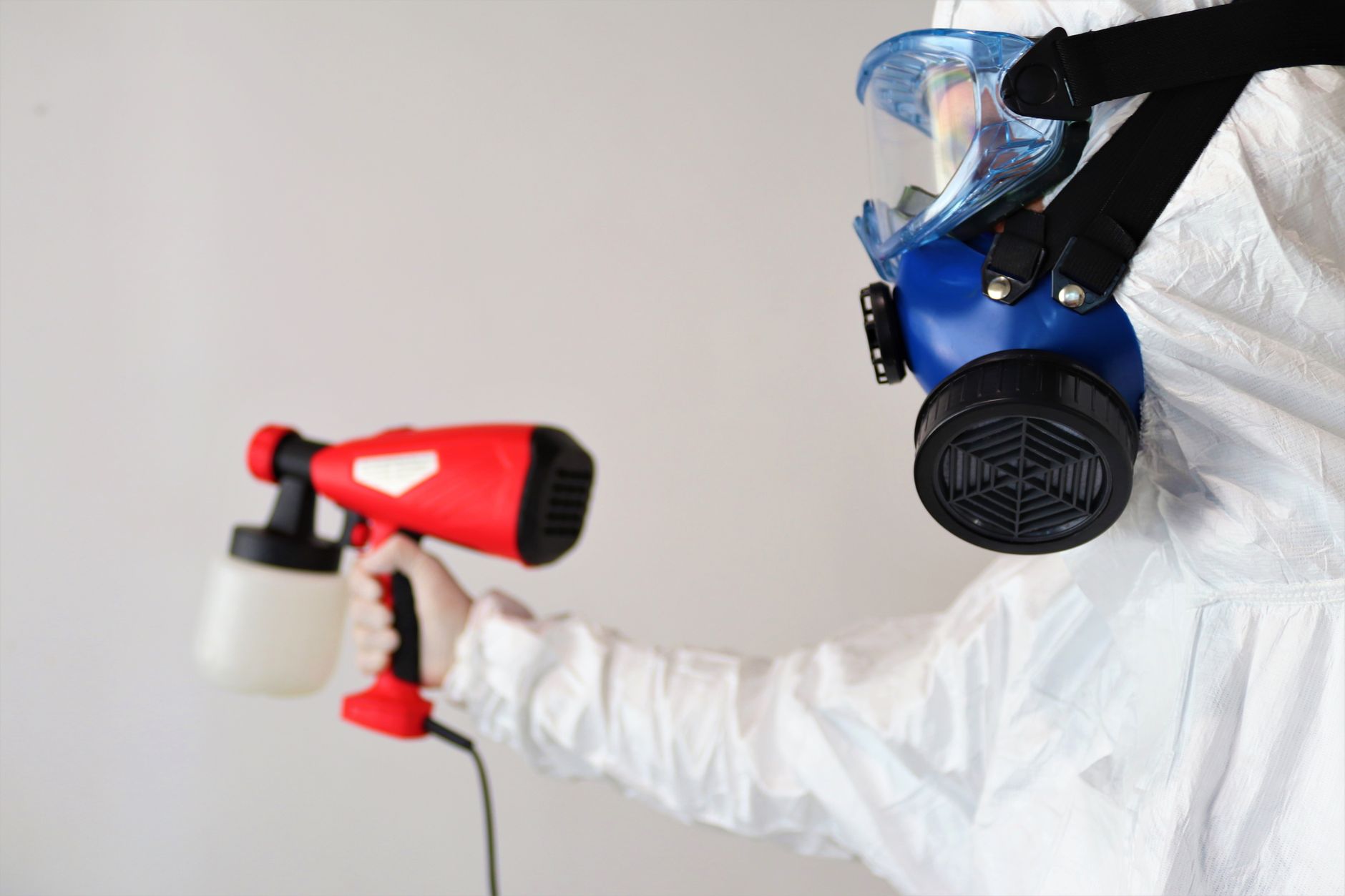
Small areas (less than 10 square feet) can often be cleaned with a solution of bleach and water. For larger infestations, it’s best to hire a professional mold remediation company. Always wear protective gear (gloves, mask, eye protection) when cleaning mold.
FAQ 7: Can I just paint over mold?
No! Painting over mold only hides the problem temporarily. The mold will continue to grow underneath the paint and eventually reappear. It’s essential to remove the mold completely before repainting.
FAQ 8: What if my landlord refuses to address a mold problem?
Tenant rights vary by location. Document the mold, report it in writing, and research your local landlord-tenant laws. You may have grounds to break your lease or take legal action.
FAQ 9: Does homeowner’s insurance cover mold remediation?
Homeowner’s insurance policies vary, but they often cover mold remediation if the mold growth is caused by a covered peril, such as a burst pipe. However, mold growth due to neglected maintenance is typically not covered.
FAQ 10: How can I prevent mold growth in my home?
- Control humidity levels (ideally between 30% and 50%).
- Ventilate bathrooms and kitchens.
- Repair leaks promptly.
- Clean and dry wet areas immediately.
- Use dehumidifiers in damp areas.
- Ensure proper ventilation and insulation.
FAQ 11: Are mold testing kits reliable?
DIY mold testing kits can provide a general indication of mold presence, but they are not as accurate or comprehensive as professional testing. Professional testing identifies the specific types of mold and their concentration.
FAQ 12: Where can I find qualified mold remediation professionals?
Look for companies certified by organizations like the Institute of Inspection, Cleaning and Restoration Certification (IICRC) or the American Industrial Hygiene Association (AIHA). Check their credentials, read reviews, and get multiple quotes before hiring a professional.
Seeking Expert Advice and Remediation
If you suspect mold exposure is affecting your health, it’s crucial to consult with a healthcare professional experienced in environmental illnesses. Identifying and addressing the source of mold exposure is equally vital. Seek the help of qualified mold remediation professionals to thoroughly remove the mold and prevent its recurrence. Early intervention and proactive measures can significantly reduce the risk of long-term health problems associated with mold exposure.