
Can Long-term Exposure To Mold Cause Cancer? The Truth Behind the Fears
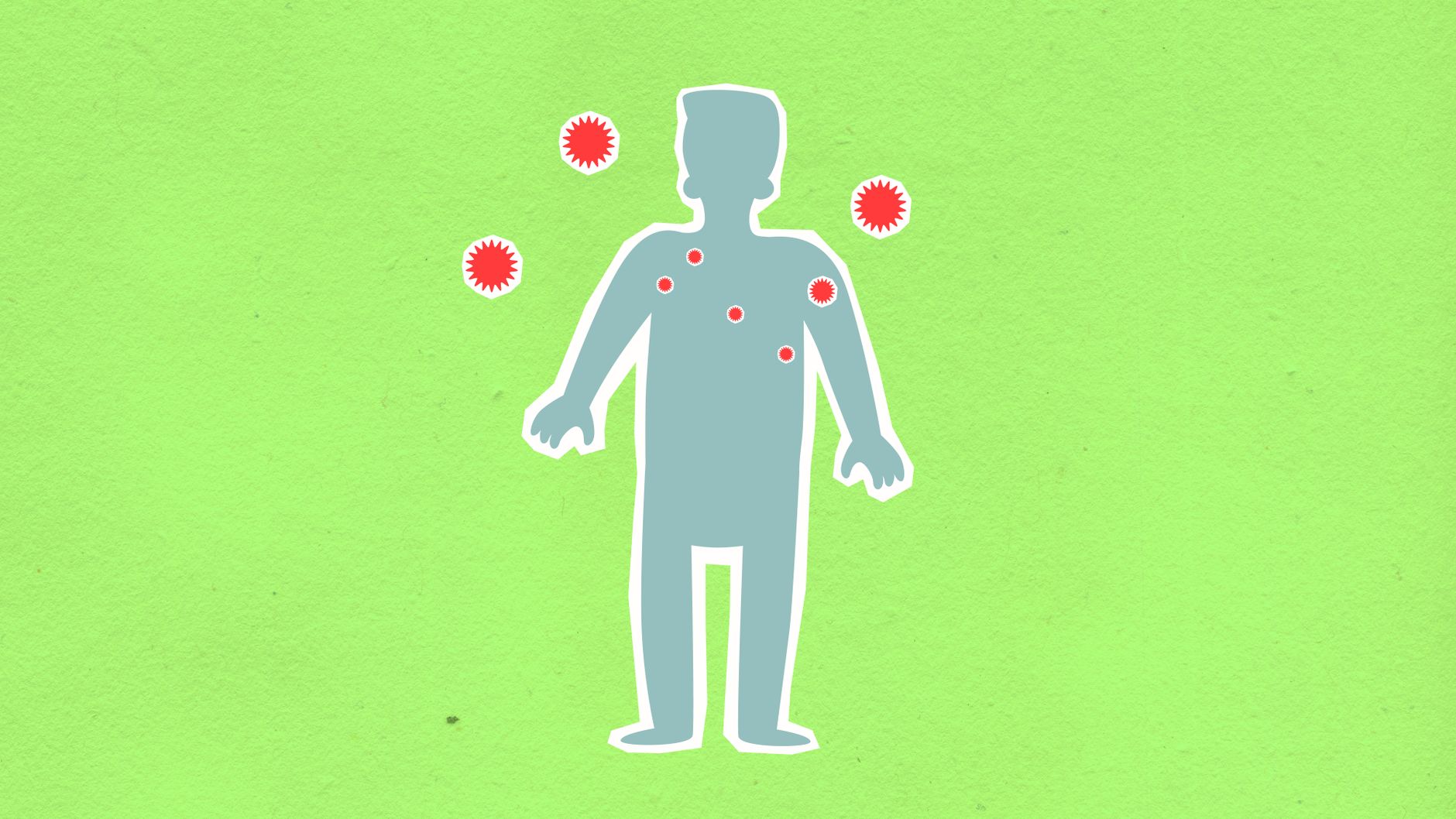
While direct evidence linking mold exposure definitively to cancer in humans remains limited, the potential for indirect health consequences and the presence of carcinogenic mycotoxins in certain molds warrant serious concern and proactive mitigation strategies. Research suggests long-term exposure can exacerbate respiratory issues and weaken the immune system, potentially increasing susceptibility to various illnesses, including cancer development, though a direct causal relationship is yet to be established firmly.

Understanding Mold and Its Health Effects
Mold, a ubiquitous fungus found both indoors and outdoors, thrives in damp environments. While many types of mold are harmless, some produce mycotoxins, toxic substances that can pose a health risk to humans and animals. The severity of health effects depends on the type of mold, the level and duration of exposure, and the individual’s sensitivity and overall health.
Exposure to mold can occur through inhalation of spores, skin contact, or ingestion. Common symptoms of mold exposure include:
- Allergic reactions: Sneezing, runny nose, watery eyes, skin rash, itching.
- Respiratory problems: Coughing, wheezing, shortness of breath, asthma exacerbation.
- Irritation: Sore throat, headache, fatigue.
- In rare cases: More severe reactions like hypersensitivity pneumonitis or invasive fungal infections.
The Cancer Connection: What the Research Says
The primary concern regarding mold and cancer revolves around aflatoxins, potent mycotoxins produced by Aspergillus species, particularly Aspergillus flavus and Aspergillus parasiticus. Aflatoxins are classified as Group 1 carcinogens by the International Agency for Research on Cancer (IARC), meaning there is sufficient evidence of carcinogenicity in humans.
Studies have strongly linked aflatoxin exposure, particularly in combination with hepatitis B virus (HBV) infection, to an increased risk of liver cancer (hepatocellular carcinoma). This link is primarily observed in regions where aflatoxin contamination of food crops, such as peanuts, corn, and rice, is prevalent.
However, it’s crucial to note that these studies typically involve high levels of aflatoxin ingestion over extended periods, often through contaminated food sources. The levels of aflatoxins found in indoor mold are generally much lower, and the primary route of exposure is inhalation rather than ingestion.
Furthermore, studies investigating a direct link between indoor mold exposure and other types of cancer have yielded inconclusive results. While some studies suggest a potential association, these findings are often limited by small sample sizes, methodological issues, and the difficulty of isolating mold exposure as the sole causative factor. Many factors contribute to cancer development, including genetics, lifestyle choices, and environmental exposures.
Mitigating Risks: Prevention and Remediation
Despite the lack of conclusive evidence linking indoor mold directly to cancer, the potential for health risks, including weakened immune systems and exacerbated respiratory issues, warrants proactive prevention and remediation efforts.
Prevention Strategies:
- Control moisture levels: Address leaks promptly, ensure proper ventilation, and use dehumidifiers in damp areas.
- Maintain cleanliness: Regularly clean and disinfect bathrooms, kitchens, and other areas prone to mold growth.
- Promptly remove mold: If you find mold, clean it up immediately using appropriate cleaning solutions.
- Improve ventilation: Increase airflow in your home by opening windows and using exhaust fans.
- Choose mold-resistant materials: When renovating or building, opt for mold-resistant drywall, paint, and other materials.

What colours are fish most attracted to?
Can you put your finger in a trout's mouth?
Is methylene blue anti bacterial?
Does aquarium salt raise pH in aquarium?
Remediation Techniques:
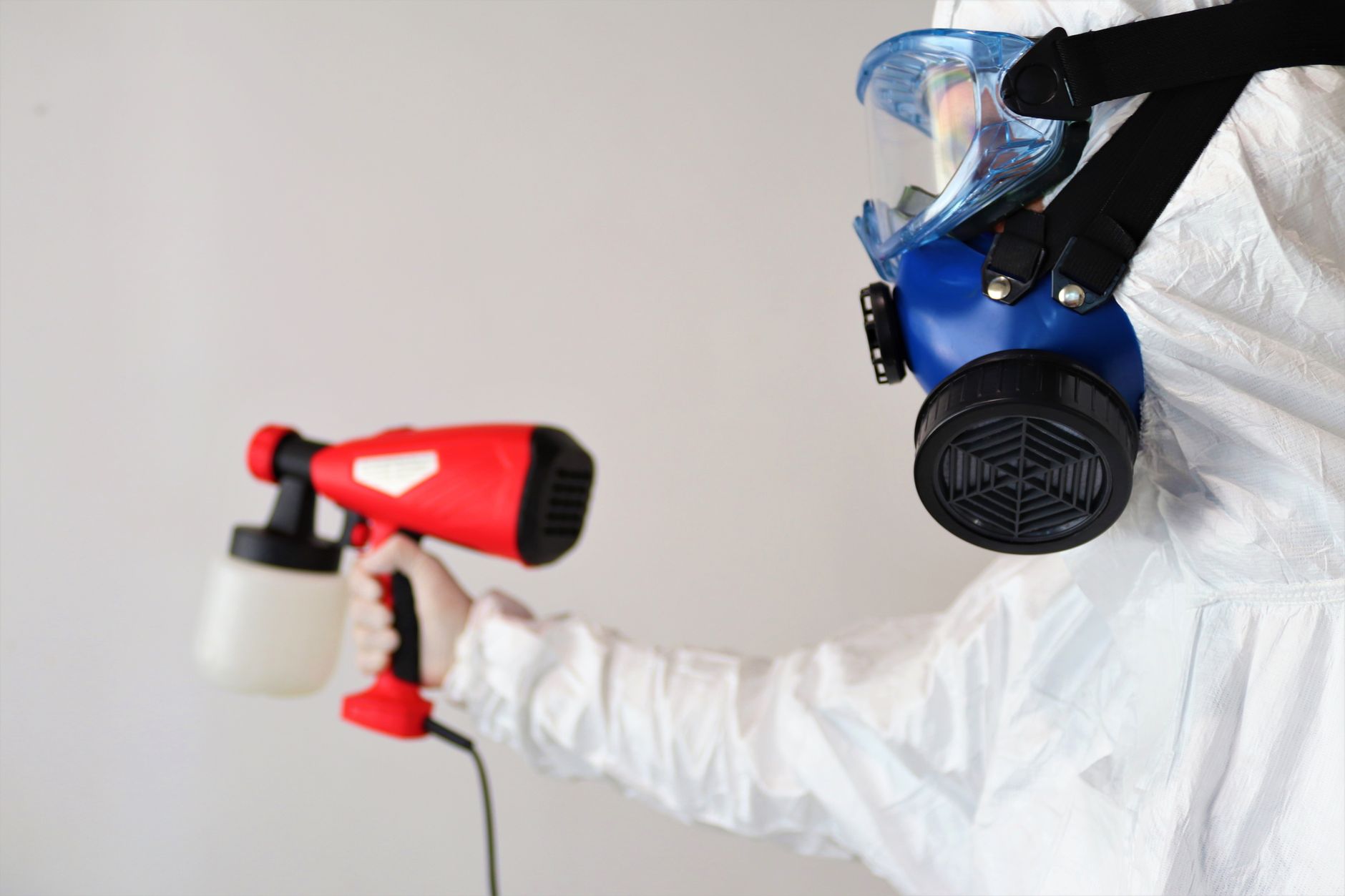
- Small infestations: For minor mold growth (less than 10 square feet), you can typically clean it yourself using a bleach solution or other mold-killing products.
- Large infestations: For larger areas of mold growth, it’s best to hire a professional mold remediation company.
- Source identification: Identify and address the source of moisture that is causing the mold growth to prevent recurrence.
FAQs: Addressing Your Concerns About Mold and Cancer
Here are some frequently asked questions to further clarify the relationship between mold exposure and cancer risk:
1. Is all mold dangerous?
Not all mold is dangerous. Many types of mold are harmless. The health risks associated with mold exposure primarily stem from specific species that produce mycotoxins, such as Stachybotrys chartarum (black mold) and Aspergillus species. Identifying the type of mold present is crucial for assessing the potential risk.
2. Can black mold cause cancer?
While Stachybotrys chartarum (black mold) can produce mycotoxins, there is no definitive scientific evidence directly linking it to cancer in humans. However, black mold exposure can cause a range of other health problems, including respiratory issues, allergic reactions, and neurological symptoms.
3. Are children more susceptible to the health effects of mold exposure?
Yes, children are generally more vulnerable to the health effects of mold exposure due to their developing immune systems and smaller airways. They are also more likely to experience severe respiratory problems.
4. If I find mold in my home, should I get my family tested for cancer?
Cancer screening is not routinely recommended based solely on mold exposure. If you are concerned about your health or have a family history of cancer, consult with your doctor to discuss appropriate screening options.
5. How can I test for mold in my home?
You can use a mold test kit to collect samples from suspected mold growth areas. These kits typically involve sending the samples to a laboratory for analysis. However, visual inspection and addressing moisture problems are often the most important steps.
6. What are the long-term health effects of mold exposure besides cancer?
Long-term mold exposure can lead to chronic respiratory problems, such as asthma, allergies, and hypersensitivity pneumonitis. It can also weaken the immune system, making individuals more susceptible to infections.
7. Is it safe to live in a house with mold?
It is not recommended to live in a house with significant mold growth. The presence of mold indicates a moisture problem that needs to be addressed. Mold can pose a health risk, especially for individuals with allergies, asthma, or weakened immune systems.
8. Can mold exposure cause other diseases besides cancer?
Yes, mold exposure can cause a variety of other health problems, including respiratory illnesses, allergic reactions, skin rashes, neurological symptoms, and fatigue. Some people may also experience more severe reactions, such as hypersensitivity pneumonitis or invasive fungal infections.
9. Are there specific blood tests to detect mold exposure?
While some blood tests can detect antibodies to certain molds, these tests are not routinely used to diagnose mold exposure. They are primarily used to identify specific fungal infections. Exposure is usually assessed through environmental testing and symptom evaluation.
10. What is the role of the immune system in protecting against the health effects of mold?
A healthy immune system plays a crucial role in protecting against the health effects of mold. It helps to clear mold spores from the body and prevent fungal infections. However, chronic mold exposure can weaken the immune system, making individuals more susceptible to health problems.
11. How does indoor air quality affect mold growth and health risks?
Poor indoor air quality can contribute to mold growth by trapping moisture and reducing ventilation. Improving indoor air quality through proper ventilation, dehumidification, and filtration can help to prevent mold growth and reduce health risks.
12. What are the legal implications of mold exposure in rental properties?
Landlords are generally responsible for maintaining a safe and habitable living environment for their tenants. This includes addressing mold problems and taking steps to prevent mold growth. Tenants may have legal recourse if they suffer health problems due to mold exposure in a rental property. Local laws vary, so consulting with a legal professional is advisable.
Conclusion: Prudence and Prevention are Key
While direct evidence linking long-term indoor mold exposure to cancer remains limited, the potential for indirect health consequences and the presence of carcinogenic mycotoxins in certain molds necessitates a proactive approach. By focusing on moisture control, prompt mold remediation, and maintaining a healthy indoor environment, you can significantly reduce your risk of mold exposure and protect your health. Consult with medical and environmental professionals for personalized advice and comprehensive solutions.