

Can Lions Get Angry? Exploring Feline Frustration in the King of Beasts
Yes, lions can get angry. Like many animals, including humans, lions experience frustration, irritation, and rage manifested in various behaviors and vocalizations.

Understanding Lion Emotions: Beyond Ferocity
For centuries, the lion has reigned as a symbol of power, courage, and, often, unbridled aggression. This majestic creature, a cornerstone of African ecosystems and a staple in global popular culture, evokes images of snarling teeth and a commanding roar. But is the lion’s behavior simply a display of inherent ferocity, or does it encompass a more complex range of emotions, including anger? To understand whether can lions get angry, we must delve into the biological and behavioral aspects of these fascinating felines.

Is distilled water good for goldfish?
What colours are fish most attracted to?
Can you put your finger in a trout's mouth?
Is methylene blue anti bacterial?
The Biological Basis of Anger
Anger, as a fundamental emotion, is intricately linked to the brain’s limbic system, the region responsible for processing emotions, memory, and motivation. In mammals, this system is relatively well-developed, allowing for a diverse range of emotional responses. Studies on various animal species, including domesticated cats and other large carnivores, have revealed similarities in brain structures and neurochemical processes related to emotional experiences. Lions, as highly intelligent and social animals, undoubtedly possess the neurological capacity to experience anger. Neurotransmitters like serotonin and dopamine play a crucial role in regulating mood and aggression. Imbalances in these chemicals can contribute to increased irritability and proneness to anger.
Behavioral Manifestations of Lion Anger
While we cannot directly ask a lion about its emotional state, we can infer anger from observable behaviors. Here are some common signs that a lion might be experiencing anger or frustration:
- Vocalizations: Roaring, growling, hissing, and snarling are all vocal signals that can indicate anger or aggression. The intensity and frequency of these vocalizations often correlate with the level of frustration.
- Body Language: A stiff posture, flattened ears, dilated pupils, and a twitching tail are all visual cues that suggest a lion is agitated or angry.
- Aggressive Behavior: This can range from swiping and biting to chasing and attacking. These behaviors are often directed towards a specific target, such as another lion, a prey animal, or even a perceived threat.
- Displacement Behaviors: These are behaviors that seem out of context but can be indicative of underlying stress or frustration. Examples include excessive grooming, pacing, or sudden bursts of activity.
Triggers of Anger in Lions
Understanding what provokes anger in lions is crucial to interpreting their behavior. Common triggers include:
- Territorial Disputes: Lions are fiercely territorial, and any perceived encroachment on their territory can trigger aggression.
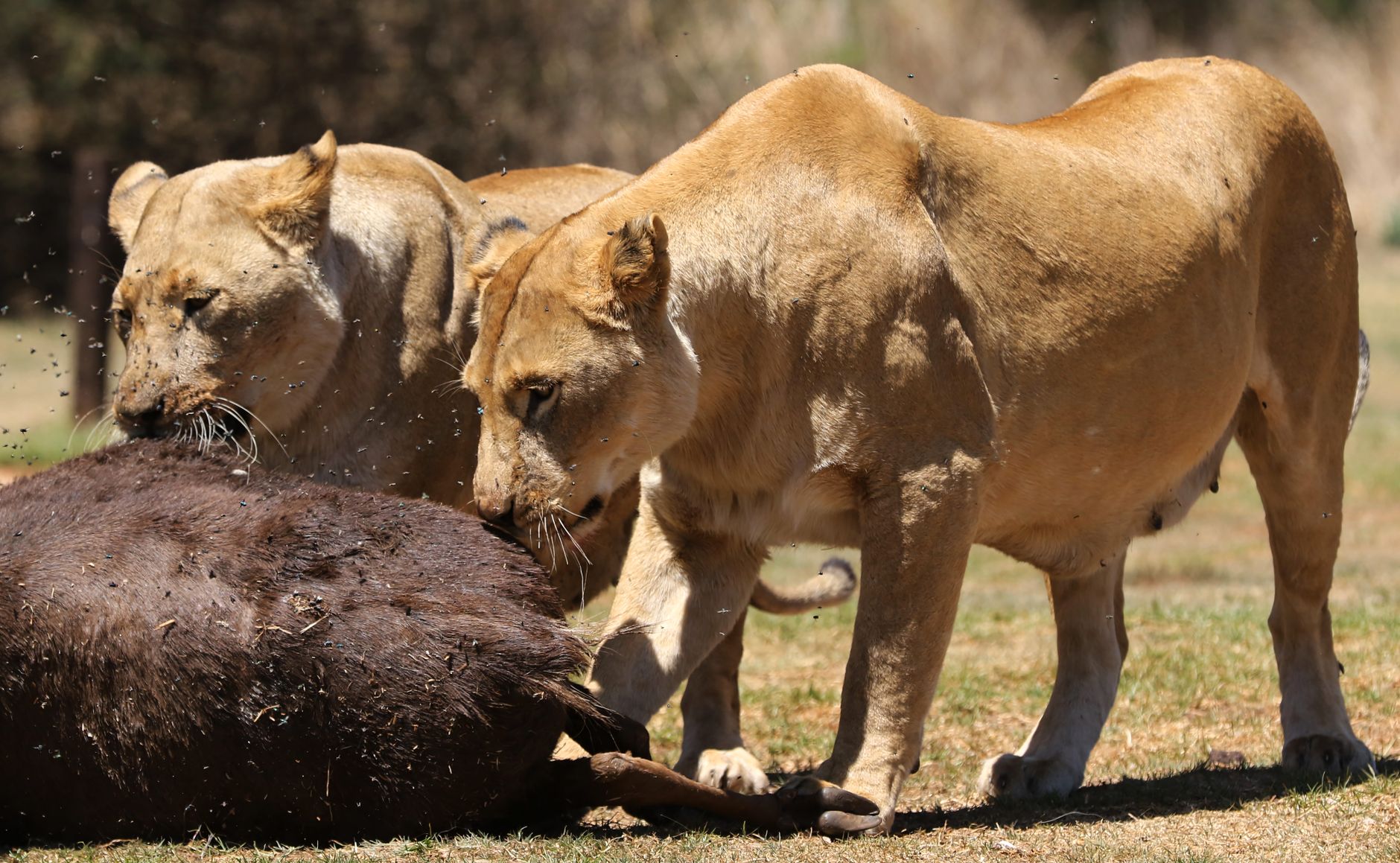
- Competition for Food: Scarcity of prey or competition for a kill can lead to intense anger and conflict within the pride.
- Protection of Cubs: Lionesses are fiercely protective of their cubs, and any perceived threat to their offspring will elicit a strong aggressive response. This is a prime example when can lions get angry.
- Frustration: If a lion is unable to achieve a desired outcome, such as successfully hunting prey, it can become frustrated and angry.
- Pain or Injury: Physical discomfort can significantly increase irritability and proneness to anger.
- Unwanted Advances: During mating season, rejection from a potential mate can cause anger and aggressive behaviour.
Comparison with Other Felines
Observing the behavior of other felines, particularly domestic cats, can provide further insight into lion emotions. Although different species, both share the same underlying emotional circuits. Domestic cats display similar behaviors when angry or frustrated, such as hissing, swatting, and flattened ears. These similarities suggest a shared evolutionary basis for anger and aggression in felines. The key lies in understanding that lions are bigger, have higher stakes in their environment, and therefore, their anger will be shown in more powerful ways.
Anger Management in Lions? (Well, sort of…)
While lions don’t attend anger management classes, they do have mechanisms for regulating aggression. Social hierarchies within the pride help to minimize conflict, as dominant individuals typically have priority access to resources. Submissive displays, such as crouching and vocalizations, can also help to de-escalate potentially aggressive situations. Grooming is another strategy used to diffuse tension and strengthen social bonds within the pride. These social dynamics help regulate situations where can lions get angry.
The Role of Anger in Lion Survival
Anger, while often perceived negatively, plays a vital role in lion survival. Aggression is necessary for defending territory, securing resources, protecting offspring, and establishing social dominance. Without the capacity for anger, lions would be unable to compete effectively in their environment. It is important to view anger not simply as a destructive emotion but as an adaptive mechanism that has evolved to enhance survival.
Studying Lion Behavior Ethically
Studying lion behavior is essential for understanding their emotional lives, but it must be done ethically. Researchers must prioritize the well-being of the lions and avoid causing unnecessary stress or disturbance. Observation from a distance, non-invasive monitoring techniques, and careful consideration of the impact of research activities are crucial for responsible research.
FAQs: Decoding Lion Emotions
Can lions get angry, and how does it differ from aggression?
While anger and aggression are related, they are not interchangeable. Anger is an emotion, while aggression is a behavior. A lion can experience anger without necessarily acting aggressively. Conversely, a lion might exhibit aggressive behavior for reasons other than anger, such as hunting. Therefore, anger is the internal feeling, while aggression is the outward expression.
Do male lions get angrier than female lions?
Generally, male lions tend to exhibit more overt aggression due to their role in defending territory and competing for dominance. However, female lions can become fiercely angry when protecting their cubs. Both sexes are capable of experiencing and expressing anger, but the triggers and manifestations may differ.
Is it safe to approach a lion that appears to be angry?
Absolutely not. Approaching any wild animal that appears agitated or angry is extremely dangerous. Lions are powerful predators, and an angry lion is a very serious threat. Maintaining a safe distance is essential for your safety and the well-being of the lion.
How do lions show affection, and does that contradict their capacity for anger?
Lions display affection through various behaviors, such as grooming, rubbing heads, and mutual purring. The fact that they can exhibit affection does not negate their capacity for anger. In fact, those close bonds can be triggered when can lions get angry and protecting each other. Like humans, lions are capable of experiencing a wide range of emotions, including both love and anger.
Are lions born angry, or is it learned behavior?
The capacity for anger is likely innate, but the specific triggers and expressions of anger are influenced by learning and experience. Cubs learn from observing their mothers and other members of the pride how to respond to different situations.
Does captivity affect a lion’s anger levels?
Captivity can significantly impact a lion’s emotional well-being. The confined environment, lack of natural stimuli, and artificial social structures can lead to increased stress, frustration, and potentially higher levels of anger. Enrichment activities and naturalistic enclosures can help to mitigate these negative effects.
Can stress exacerbate anger in lions?
Yes, stress is a major contributing factor to anger in lions. Chronic stress can disrupt hormonal balance, increase irritability, and lower the threshold for aggressive behavior.
Do lions hold grudges?
Whether lions can “hold grudges” in the same way humans do is a complex question. While they may not possess the same cognitive capacity for long-term planning and abstract thought, they are capable of remembering past experiences and associating them with specific individuals. Therefore, they may exhibit avoidance or aggression towards individuals who have previously harmed or threatened them.
What role does the lion’s roar play in expressing anger?
The lion’s roar serves many purposes, including communication and territorial defense. While a roar can indicate anger, it can also signal dominance, warn off rivals, or attract mates. The context and accompanying body language are crucial for interpreting the meaning of a roar. The roar is an excellent example of how can lions get angry and show it.
Are there specific sounds that calm a lion when it’s angry?
There’s no known “calming sound” universally effective for angry lions. But, sometimes a submissive call can lessen the intensity of the situation, reducing the potential for a fight. Every situation is different, depending on the lion’s temperament and what caused the anger.
How does illness or injury affect a lion’s anger threshold?
Illness or injury can significantly lower a lion’s anger threshold. Pain, discomfort, and weakness can make them more irritable and prone to aggressive behavior. A sick or injured lion is also more vulnerable, which can further increase their anxiety and defensiveness.
Do lion cubs get angry?
Yes, lion cubs definitely experience anger. They may display anger through behaviors such as hissing, swatting, biting, and vocalizations, especially when they are hungry, frustrated, or feel threatened. They are learning about the world and their environment, and anger is a very normal emotion to learn and express.