

Can Koi Fish Survive in a Frozen Pond?
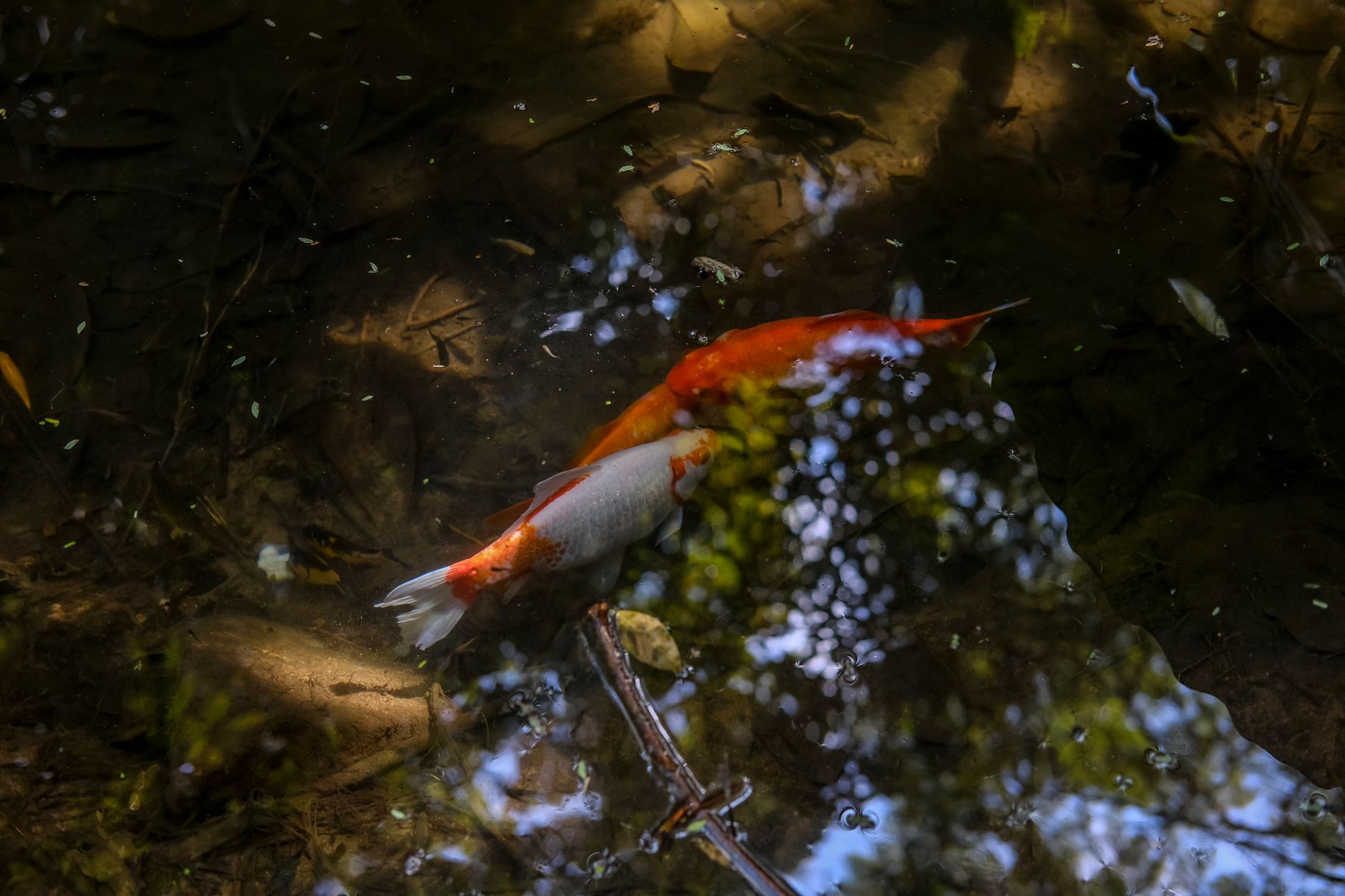
Yes, koi fish can survive in a frozen pond, but their survival hinges on specific conditions and proper preparation. They enter a state of semi-hibernation, significantly reducing their activity and metabolic rate, relying on stored energy and a stable environment beneath the ice.
Understanding Koi and Cold Weather
Koi, descendants of the common carp (Cyprinus carpio), are remarkably resilient fish, known for their longevity and striking colors. However, their ability to withstand harsh winters, particularly a frozen pond, is a testament to their evolutionary adaptation and the properties of water itself.

Are fish heads good for the garden?
Can fish hear water?
What is cotton rot in fish?
What colours are fish most attracted to?
The Importance of Pond Depth
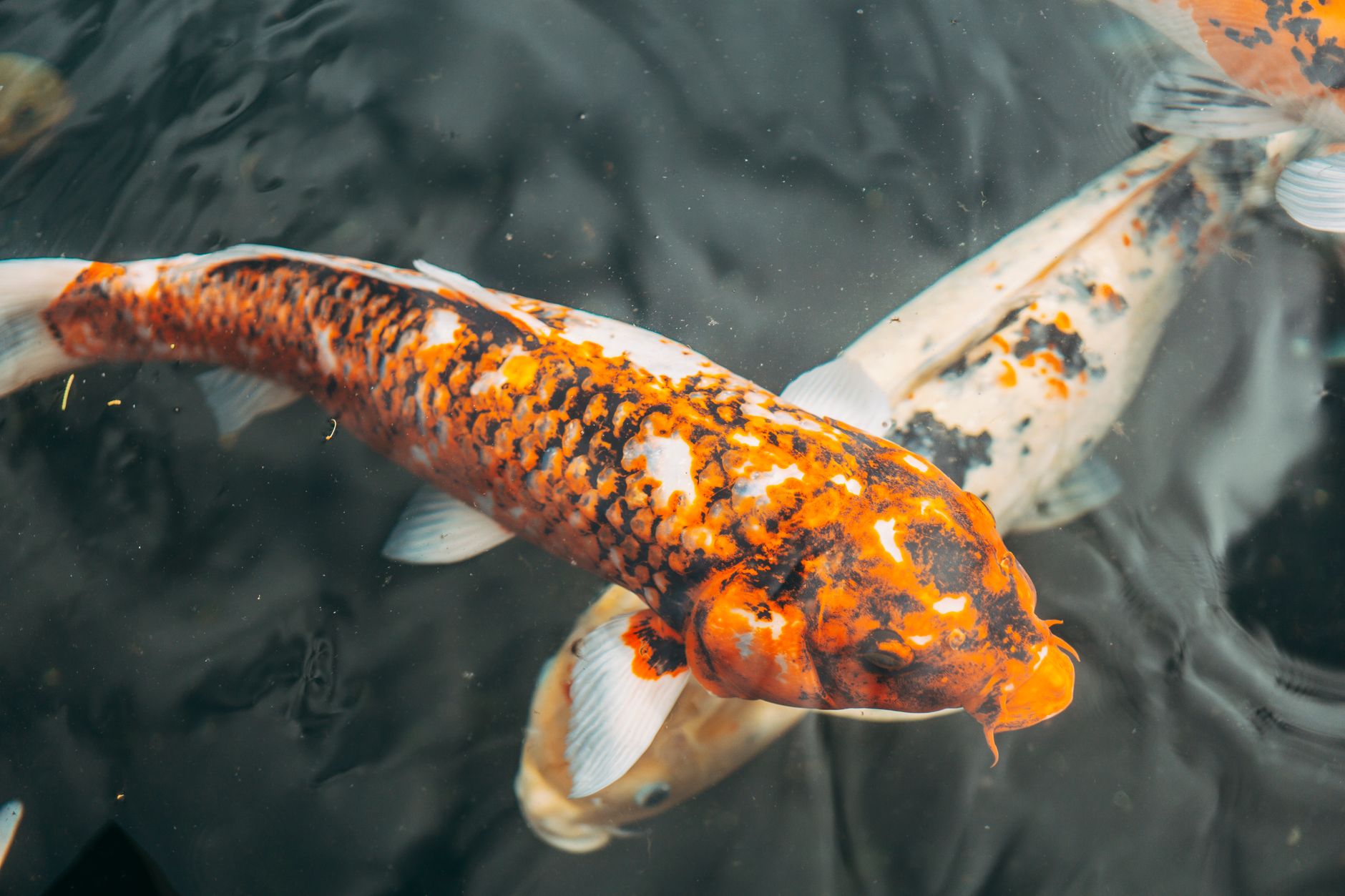
The depth of the pond is arguably the most critical factor in determining whether koi fish can survive in a frozen pond. A pond that is too shallow will freeze solid, eliminating any chance of survival. A minimum depth of 4 feet is generally recommended in colder climates. This depth provides a thermal refuge for the fish.
- Shallower ponds cool down much faster and freeze more thoroughly.
- Deeper ponds maintain a more stable temperature at the bottom.
- Adequate depth provides space for fish to gather in the warmer water near the bottom.
Oxygen Levels in a Frozen Pond
While cold water holds more oxygen than warm water, a frozen pond can still become oxygen-deprived. The ice layer prevents atmospheric oxygen from dissolving into the water. Decomposition of organic matter at the bottom of the pond further consumes oxygen.
- Maintaining an open area in the ice is essential for gas exchange.
- De-icers (floating or submersible) are effective at preventing a complete ice seal.
- Pond aerators can also help, but be cautious. If placed too deep, they can disrupt the water column and lower the overall temperature of the pond.
Koi Physiology During Winter
During winter, koi enter a state of torpor or semi-hibernation. Their metabolism slows dramatically, and they become much less active. They typically remain near the bottom of the pond, conserving energy.
- Their feeding habits change significantly. They consume very little, if anything, during this period.
- Their immune system is also suppressed. This makes them more vulnerable to disease, but they are also less likely to be affected by diseases since bacterial growth also slows in cold temperatures.
Preparing Your Pond for Winter
Proper preparation is crucial for ensuring koi fish can survive in a frozen pond. This includes several key steps:
- Stop feeding your koi when the water temperature consistently falls below 50°F (10°C).
- Remove any decaying plant matter from the pond bottom to reduce oxygen consumption.
- Install a de-icer or aerator to maintain an open area in the ice.
- Ensure the pond is adequately deep (at least 4 feet).
- Gradually acclimate fish to colder temperatures before winter.
- Perform a water change prior to winter to improve water quality.
Common Mistakes that Threaten Koi Survival
Even with good intentions, several common mistakes can jeopardize the survival of koi in a frozen pond:
- Breaking the ice: Avoid breaking the ice, as this can shock the fish and introduce harmful vibrations.
- Adding hot water: Adding hot water can also shock the fish due to rapid temperature changes.
- Overfeeding: Continuing to feed koi in cold water can lead to digestive problems.
- Ignoring water quality: Neglecting water quality can exacerbate problems during winter.
- Not providing adequate depth: A shallow pond is much more susceptible to freezing solid.
Temperature Considerations
| Temperature Range (°F) | Koi Behavior | Actionable Steps |
|---|---|---|
| :———————- | :————————————————- | :—————————————————- |
| Above 70°F | Active feeding, normal behavior | Continue regular feeding schedule |
| 60-70°F | Reduced feeding, increased alertness | Adjust feeding schedule, monitor water parameters |
| 50-60°F | Significantly reduced feeding, lethargic behavior | Gradually reduce feeding, prepare for winterization |
| Below 50°F | Minimal activity, bottom dwelling | Stop feeding completely, ensure proper aeration/de-icing |
Emergency Situations and Interventions
While preventative measures are the best defense, emergency situations can arise. If you suspect your koi are in distress (e.g., gasping at the surface, showing signs of illness), a partial water change with properly treated water can help. If oxygen levels are critically low, temporarily moving the fish to a well-aerated indoor tank might be necessary, but this should only be done as a last resort due to the stress of temperature fluctuations.
Frequently Asked Questions (FAQs)
Will my koi die if my pond freezes completely?
Yes, if your pond freezes completely solid, it is highly likely that your koi fish will die. This is because they will be trapped in ice, unable to access oxygen or move freely. The expanding ice crystals will also crush them. A partially frozen pond, properly maintained, is a far more survivable environment.
How do I keep a hole open in the ice?
The best ways to keep a hole open in the ice are using a pond de-icer (a floating heating element) or a pond aerator. Avoid breaking the ice manually as this can shock your koi.
Is it safe to use a hammer to break the ice?
No, it is generally not safe to use a hammer to break the ice. The vibrations can stress or injure your koi fish. It’s far better to use a de-icer or aerator.
Should I feed my koi in the winter?
No, you should stop feeding your koi when the water temperature consistently falls below 50°F (10°C). Their metabolism slows down significantly, and they cannot properly digest food in cold water, which can lead to health problems.
What depth does my pond need to be for koi to survive winter?
Ideally, your pond should be at least 4 feet deep to provide a sufficient thermal refuge for your koi fish during winter. Shallower ponds are more prone to freezing solid.
Can I use salt to prevent my pond from freezing?
While salt can lower the freezing point of water, it’s generally not recommended to add salt to your pond for this purpose. The concentration required to significantly lower the freezing point can be harmful to koi fish and aquatic plants. De-icers are a safer and more effective option.
What are the signs of oxygen depletion in a frozen pond?
Signs of oxygen depletion include koi gasping at the surface near the ice, increased lethargy, and a generally distressed appearance. This indicates an urgent need to improve oxygen levels.
What is the best type of de-icer for a koi pond?
There are two main types of de-icers: floating de-icers and submersible de-icers. Both are effective, but submersible de-icers can sometimes provide more consistent heating. Choose a de-icer appropriate for the size of your pond.
How does a pond aerator help koi survive winter?
A pond aerator helps by maintaining an open area in the ice, allowing for gas exchange. This prevents the build-up of harmful gases and ensures that oxygen can reach the water. Position the aerator carefully to avoid overcooling the water.
What kind of maintenance should I do before winter?
Before winter, remove decaying plant matter from the pond, perform a partial water change, stop feeding your koi, and ensure your de-icer or aerator is working properly.
If I bring my koi inside for the winter, what size tank do they need?
The size of the tank depends on the size and number of your koi fish. As a general rule, provide at least 10 gallons of water per inch of fish. Larger is always better to ensure good water quality.
How do I reintroduce my koi back into the pond in the spring?
Gradually acclimate your koi to the pond water temperature in the spring. Float them in a bag in the pond for several hours to allow the water temperature to equalize before releasing them. This minimizes stress and helps them adjust to their environment.