

Can Koi and Fighter Fish Live Together? A Deep Dive
No, it’s generally not recommended to keep koi and fighter fish (Betta splendens) together due to vast differences in their environmental needs, temperament, and size. Attempting to cohabitate them will likely result in stress, injury, or even death for the fighter fish.

Understanding the Needs of Koi and Fighter Fish
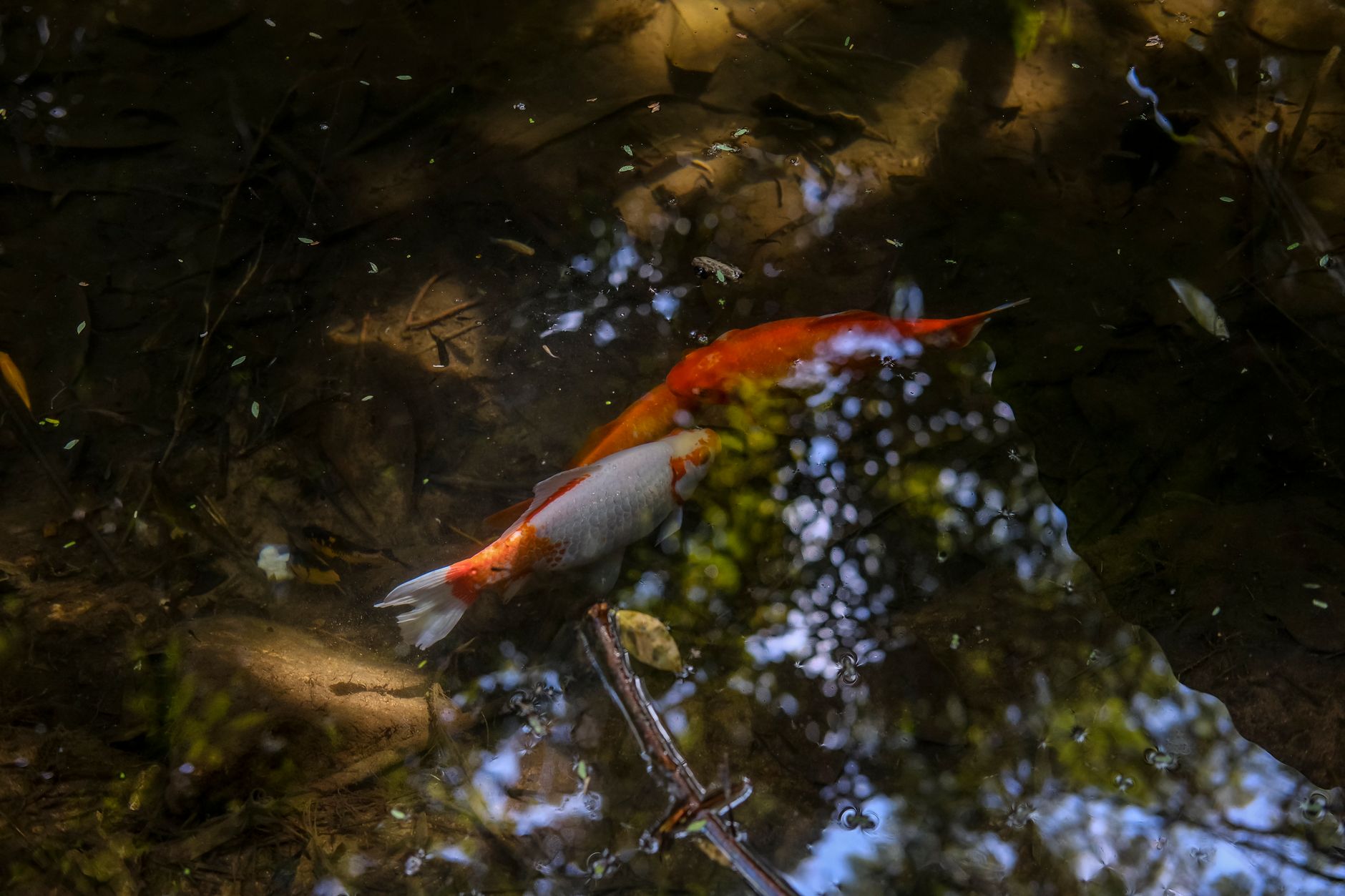
To answer the question “Can koi and fighter fish live together?” properly, it’s crucial to understand the fundamental differences in their requirements and behaviors. Koi are large, social fish adapted to outdoor ponds, while fighter fish (Betta splendens), also known as Siamese fighting fish, are solitary, territorial creatures native to shallow, warm waters.
Are fish heads good for the garden?
Can fish hear water?
What is cotton rot in fish?
What colours are fish most attracted to?
Koi: Giants of the Pond

Koi are a domesticated variety of Amur carp (Cyprinus rubrofuscus) and are prized for their vibrant colors and patterns. Here are some key characteristics:
- Size: Koi can grow to be quite large, often reaching 2-3 feet in length.
- Habitat: They require a large, well-filtered pond to thrive.
- Temperature: Koi prefer cooler water temperatures, typically between 65-75°F (18-24°C).
- Social Behavior: Koi are social fish and enjoy being kept in groups.
- Diet: Koi are omnivores and require a balanced diet of specialized koi food.
Fighter Fish (Betta splendens): The Solitary Warrior
Betta splendens, or fighter fish, are known for their vibrant colors and elaborate fins, particularly in males. However, their beauty belies a territorial and sometimes aggressive nature.
- Size: Bettas are much smaller than koi, typically reaching only 2-3 inches in length.
- Habitat: They are typically kept in smaller tanks, but require a minimum of 5 gallons per fish.
- Temperature: Bettas thrive in warmer water, ideally between 78-82°F (25-28°C).
- Social Behavior: Male bettas are highly territorial and should never be kept together. Females can sometimes be kept in groups called sororities, but this requires careful monitoring and a well-planted tank.
- Diet: Bettas are carnivores and require a protein-rich diet of bloodworms, brine shrimp, or specialized betta pellets.
Why They Can’t Coexist
The question “Can koi and fighter fish live together?” is answered most emphatically by considering the following incompatibilities:
- Temperature Differences: Koi prefer cooler temperatures that are far too cold for bettas to survive comfortably. Conversely, the warmer temperatures bettas need are too warm for koi to thrive long-term.
- Size Disparity: Koi are significantly larger than bettas. A betta in a koi pond would be vulnerable to being accidentally injured or even eaten by the koi.
- Water Chemistry: Koi ponds often have different water parameters than what is ideal for bettas.
- Stress: The presence of large, active koi would likely cause significant stress to a betta, which can weaken their immune system and make them susceptible to disease.
- Food Competition: Koi are voracious eaters and would likely outcompete a betta for food.
Table: Koi vs. Betta: A Comparison
| Feature | Koi | Betta (Fighter Fish) |
|---|---|---|
| Size | 2-3 feet | 2-3 inches |
| Habitat | Large Pond | Small Tank (minimum 5 gallons) |
| Temperature | 65-75°F (18-24°C) | 78-82°F (25-28°C) |
| Social Behavior | Social, kept in groups | Solitary, territorial |
| Diet | Omnivore | Carnivore |
Frequently Asked Questions (FAQs)
Is it possible to create a separate, heated section in a koi pond for a betta?
Even with a separate, heated section, the overall environment of a koi pond is still not suitable for a betta. The large size and activity of the koi in the main pond will likely cause significant stress to the betta, even if it’s in a protected area. Furthermore, maintaining stable water parameters in such a setup would be extremely challenging.
Could a large, heavily planted tank be suitable for both koi and bettas?
No, even a large, heavily planted tank wouldn’t be an ideal environment for both species. While the plants could offer some shelter to the betta, the temperature requirements remain a major issue. The sheer size of koi also means a tank suitable for their long-term health would be incredibly large and still prone to the betta experiencing stress.
Are there any fish species that can cohabitate successfully with both koi and bettas?
No, there are no fish species that are truly compatible with both koi and bettas. Any fish that could tolerate the cooler temperatures preferred by koi would likely be too large or aggressive to be kept safely with a betta. It’s best to keep these species in separate environments to ensure their well-being.
What are the signs of stress in a betta fish?
Signs of stress in a betta can include: clamped fins, loss of color, hiding excessively, decreased appetite, erratic swimming, and increased susceptibility to disease. If you observe any of these signs, it’s crucial to immediately address the underlying cause to prevent further harm.
What are the minimum tank size requirements for a betta fish?
While a betta can survive in a smaller environment, a minimum of 5 gallons is recommended for optimal health and well-being. Larger tanks are even better, as they provide more space for the betta to explore and reduce the risk of water quality issues.
What water parameters are ideal for betta fish?
Bettas prefer slightly acidic to neutral water, with a pH of 6.5-7.5. Ammonia and nitrite levels should be 0 ppm, and nitrate levels should be kept below 20 ppm. Regular water changes are essential for maintaining these parameters.
What do betta fish eat, and how often should they be fed?
Bettas are carnivores and require a protein-rich diet. They can be fed specialized betta pellets, bloodworms, brine shrimp, or daphnia. Feed them a small amount, only what they can consume in 2-3 minutes, once or twice a day. Overfeeding can lead to health problems.
What are some common diseases that affect betta fish?
Common diseases in bettas include fin rot, ich (white spot disease), velvet, and dropsy. Good water quality and a balanced diet are crucial for preventing these diseases.
How long do betta fish typically live?
With proper care, betta fish can live for 3-5 years. Factors that influence their lifespan include genetics, diet, water quality, and stress levels.
What are the best tank mates for a betta fish (in a suitable, separate tank)?
Suitable tank mates for bettas are limited, but some options include snails (like nerite or mystery snails), ghost shrimp, and certain types of small, peaceful schooling fish like pygmy cories or ember tetras. However, careful monitoring is always essential, as some bettas may still be aggressive towards tank mates.
What enrichment activities can I provide for my betta fish?
Enrichment activities can help keep your betta happy and healthy. These include providing live plants, hiding places (like caves or decorations), and floating logs. You can also train your betta to perform simple tricks using a target stick. Rotating decorations periodically can also help prevent boredom.
Can the size and temperament of female betta fish make them suitable pond mates for koi?
No. While female betta fish can be kept in small groups in specific circumstances, the vastly different needs and temperaments of koi and betta fish make them unsuitable pond mates. Additionally, female betta splendens tend to be just as territorial as male betta splendens.