
Can I UV Sterilize Silicone? Exploring the Viability and Best Practices
Yes, you can typically use UV light to sterilize silicone. While UV sterilization is generally effective on silicone surfaces, the efficacy depends on factors such as UV intensity, exposure time, and the presence of shadows or contaminants.
Introduction: The Growing Need for Effective Sterilization
In today’s health-conscious world, effective sterilization methods are more crucial than ever. From medical devices to baby products and personal care items, ensuring a safe and hygienic environment is paramount. Silicone, a versatile and widely used material, is frequently found in these applications, making the question of its sterilizability essential. Many people wonder, “Can I UV sterilize silicone?” This article delves into the science behind UV sterilization and its application to silicone materials, providing comprehensive guidance and addressing common concerns.
What colours are fish most attracted to?
Can you put your finger in a trout's mouth?
Is methylene blue anti bacterial?
Does aquarium salt raise pH in aquarium?
Understanding UV Sterilization
UV sterilization utilizes ultraviolet (UV) light to inactivate microorganisms, such as bacteria, viruses, and fungi. This process disrupts the DNA or RNA of these organisms, preventing them from replicating and causing infection. There are three main types of UV light: UVA, UVB, and UVC. UVC light, with a wavelength of approximately 254 nanometers, is the most effective for sterilization purposes.
- Mechanism of Action: UVC light damages the genetic material of microorganisms.
- Advantages: Non-chemical, relatively fast, and effective against a broad spectrum of pathogens.
- Limitations: Requires direct exposure, less effective against heavily contaminated surfaces, and can degrade some materials with prolonged exposure.
Silicone: A Material Primer
Silicone is a synthetic polymer known for its flexibility, heat resistance, and inertness. It is widely used in various applications, including:
- Medical Implants: Due to its biocompatibility.
- Food-Grade Products: Such as baby bottles, nipples, and baking molds.
- Industrial Applications: Seals, lubricants, and insulators.
Its non-porous nature makes it relatively easy to clean and sterilize, further enhancing its appeal.
Benefits of UV Sterilization for Silicone
UV sterilization offers several advantages for disinfecting silicone items:
- Chemical-Free: Eliminates the need for harsh chemicals that can leave residues or damage the material.
- Rapid Process: Sterilization can be achieved in minutes, depending on the UV device and the item’s size.
- Convenient: Portable UV sterilizers are available for on-the-go disinfection.
- Broad-Spectrum Effectiveness: Kills a wide range of microorganisms, including resistant strains.
The Process of UV Sterilizing Silicone
To effectively UV sterilize silicone, follow these steps:
- Clean the Silicone: Remove any visible dirt or debris with soap and water.
- Dry the Silicone: Ensure the silicone is completely dry before UV exposure.
- Select a UV Sterilizer: Choose a UV sterilizer designed for the intended purpose (e.g., phone sterilizer, baby bottle sterilizer).
- Follow Manufacturer’s Instructions: Adhere to the manufacturer’s recommended exposure time and distance.
- Ensure Full Exposure: Rotate the silicone item if necessary to ensure all surfaces are exposed to UV light.
Potential Risks and Considerations
While generally safe, UV sterilization of silicone does come with some potential risks:
- Material Degradation: Prolonged exposure to high-intensity UV light can cause silicone to degrade over time, leading to discoloration or embrittlement.
- Incomplete Sterilization: Shadows or obstructions can prevent UV light from reaching all surfaces, resulting in incomplete sterilization.
- Eye and Skin Safety: Direct exposure to UV light can be harmful to the eyes and skin. Always use UV sterilizers with proper safety features.
Comparing Sterilization Methods
| Sterilization Method | Effectiveness | Chemical Use | Time Required | Potential Risks to Silicone |
|---|---|---|---|---|
| UV Sterilization | High | No | Short | Possible degradation with prolonged exposure |
| Boiling | High | No | Medium | Possible deformation at very high temperatures |
| Chemical Sterilization | High | Yes | Medium | Possible residue or material damage |
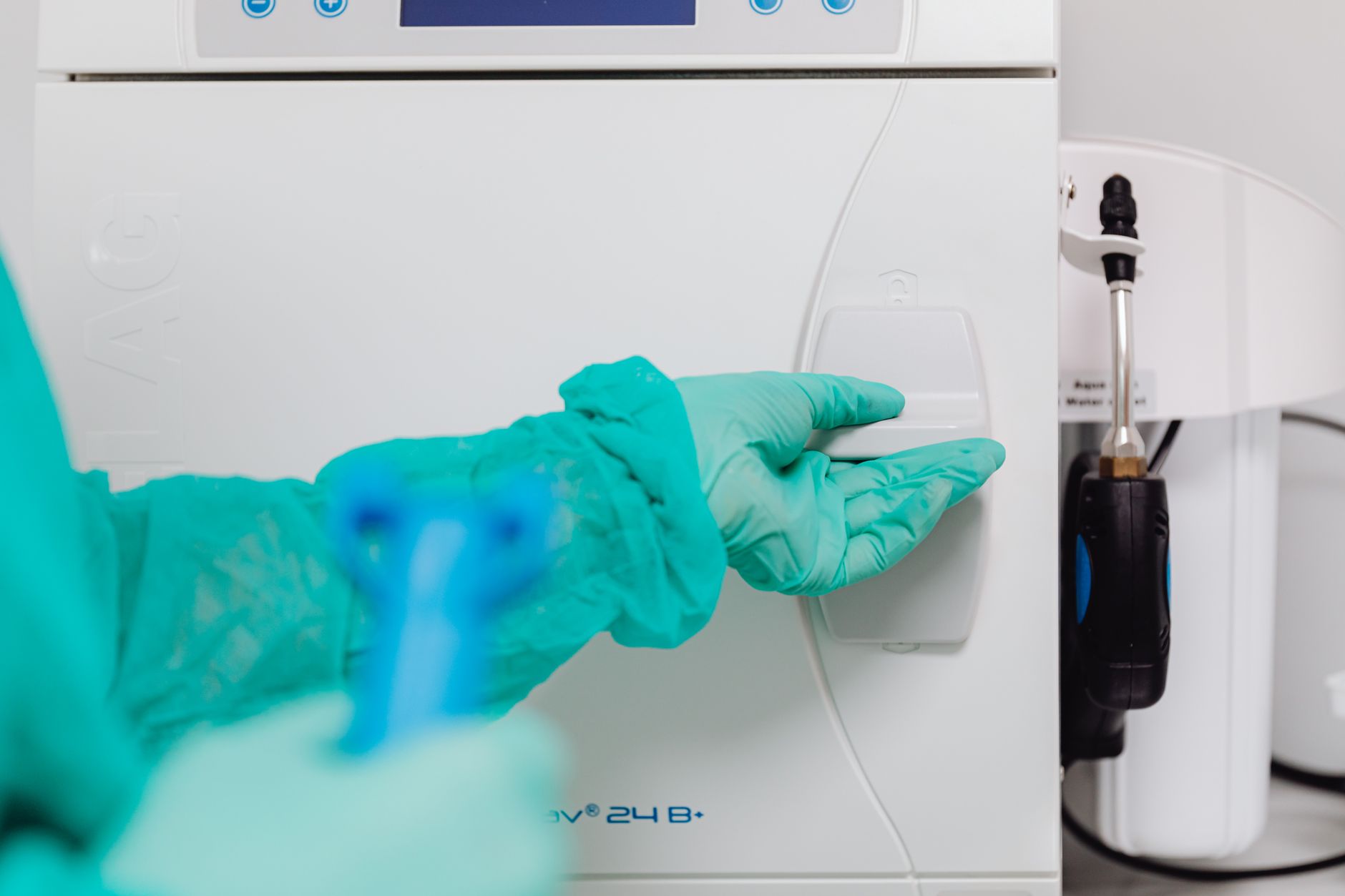
| Autoclaving | Very High | No | Long | Usually safe, but can degrade silicone over time |
Common Mistakes to Avoid
- Skipping the Cleaning Step: UV light cannot penetrate dirt or debris.
- Under-Exposure: Not exposing the silicone to UV light for the recommended time.
- Over-Exposure: Exposing the silicone to UV light for too long, leading to degradation.
- Using Uncertified Devices: Relying on uncertified UV sterilizers that may not emit sufficient UV light.
- Ignoring Shadows: Not ensuring all surfaces are directly exposed to the UV light.
Conclusion: Making an Informed Decision
The question “Can I UV sterilize silicone?” is definitively answered with a yes, provided that best practices are followed. UV sterilization is a safe and effective method for disinfecting silicone items, offering a chemical-free alternative to traditional methods. However, it’s crucial to be aware of potential risks and to use certified devices according to the manufacturer’s instructions to ensure optimal results and material longevity.
Frequently Asked Questions (FAQs)
Is UV sterilization safe for all types of silicone?
Yes, UV sterilization is generally safe for most types of silicone. However, prolonged and intense UV exposure can potentially degrade the material over time, leading to discoloration or a change in texture. It’s always recommended to follow the manufacturer’s instructions for both the silicone product and the UV sterilizer.
How long should I UV sterilize silicone products?
The ideal UV sterilization time depends on the specific sterilizer and the product’s instructions. Generally, a few minutes (typically 5-10 minutes) is sufficient for most silicone items. Always refer to the manufacturer’s guidelines for the recommended exposure time.
Can UV sterilization remove all types of germs from silicone?
UV sterilization is effective against a wide range of microorganisms, including bacteria, viruses, and fungi. However, its effectiveness can be reduced by shadows or obstructions that prevent UV light from reaching all surfaces. Proper cleaning and complete exposure are essential for optimal sterilization.
Will UV sterilization damage my silicone baby bottles?
When used correctly, UV sterilization is unlikely to significantly damage silicone baby bottles. However, prolonged exposure or using excessively high UV intensity can potentially cause some degradation over time. Follow the manufacturer’s recommendations to minimize any risks.
What kind of UV sterilizer should I use for silicone?
Choose a UV sterilizer specifically designed for the intended purpose, such as a baby bottle sterilizer or a phone sterilizer. Ensure the device is certified and meets safety standards. Read reviews and compare features to find a sterilizer that suits your needs.
Is UV sterilization better than boiling silicone?
UV sterilization and boiling are both effective methods, but they have different advantages. UV sterilization is faster and chemical-free, while boiling can reach all surfaces and is effective for heavily soiled items. The best method depends on your specific needs and preferences.
How often should I UV sterilize my silicone products?
The frequency of UV sterilization depends on how often the product is used and the level of hygiene required. For baby products, sterilizing after each use is generally recommended. For other items, sterilize as needed to maintain cleanliness and prevent contamination.
Does the color of the silicone affect UV sterilization?
The color of the silicone can slightly affect UV sterilization. Darker colors absorb more UV light, which can potentially increase the risk of degradation over time. However, this effect is generally minimal, and following the manufacturer’s instructions will help mitigate any risks.
Can I use UV sterilization on silicone toys?
Yes, UV sterilization is safe for silicone toys, provided that you follow the manufacturer’s instructions and ensure proper exposure. It’s a great way to keep your child’s toys clean and hygienic.
What are the signs that my silicone product is being damaged by UV sterilization?
Signs that your silicone product is being damaged by UV sterilization may include discoloration, cracking, or a change in texture (becoming brittle or sticky). If you notice any of these signs, discontinue UV sterilization and consider replacing the item.
Can I UV sterilize silicone oven mitts?
While you can UV sterilize silicone oven mitts, it’s generally not necessary unless they have been contaminated. Regular cleaning with soap and water is usually sufficient. If you do choose to UV sterilize them, follow the manufacturer’s instructions and be mindful of potential degradation.
Are there any silicone products that should not be UV sterilized?
Generally, most silicone products can be UV sterilized. However, if the silicone is combined with other materials (e.g., electronics embedded in silicone), check the manufacturer’s instructions to ensure that UV sterilization is compatible with all components.