
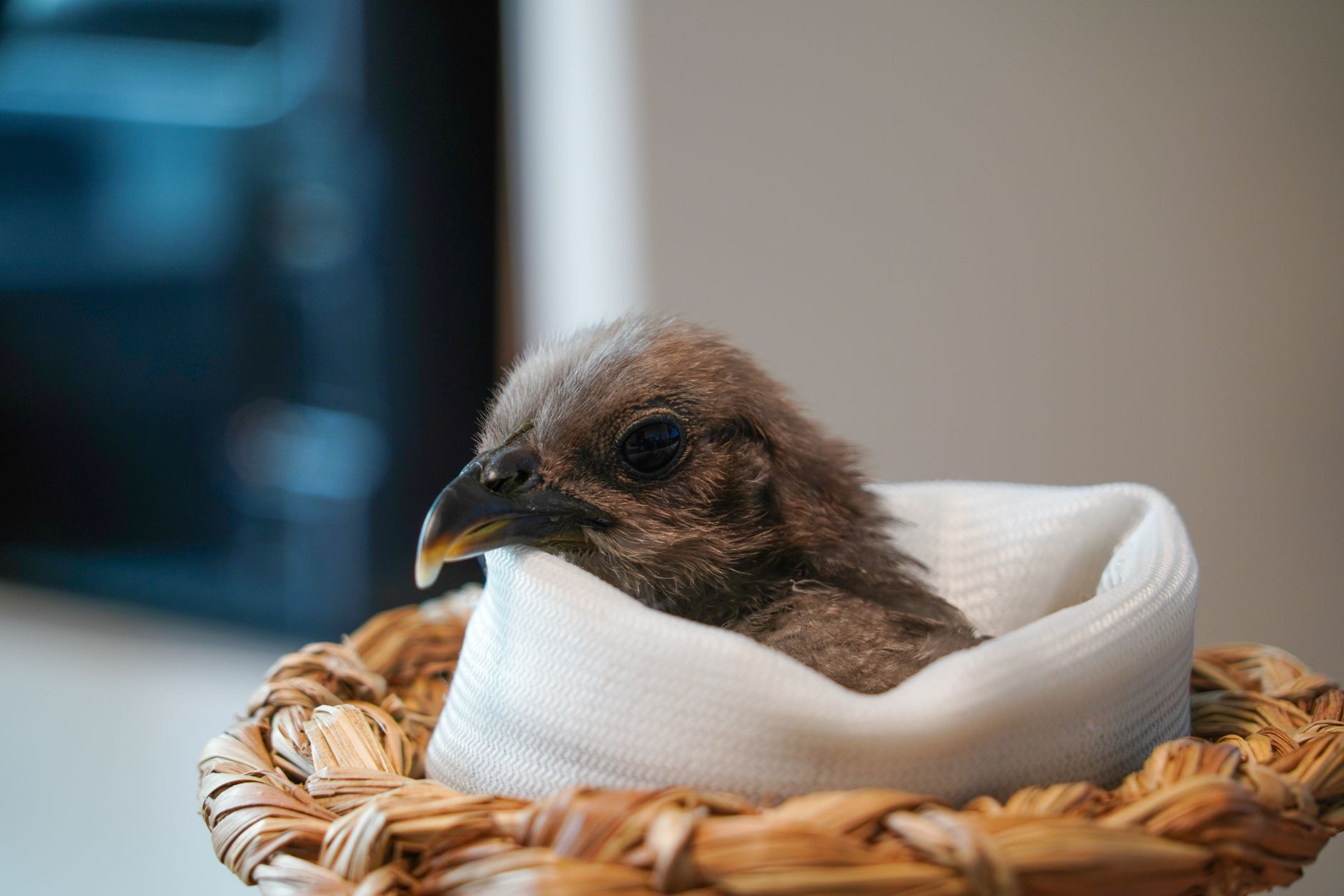
Can I Pet a Fledgling? Understanding the Risks and Responsibilities
The answer is generally no: it’s best to avoid petting or handling fledglings. While your intentions may be good, intervening can often do more harm than good and interfere with the fledgling’s natural development and parental care.

Introduction: The Allure of the Downy Discoveries
Spring and summer bring not only warmer weather but also the emergence of adorable, albeit somewhat clumsy, young birds – fledglings. These are birds that have recently left the nest but are not yet fully independent. Their presence often sparks a natural inclination to help, leading many to wonder: Can I pet a fledgling? The answer, however, isn’t as straightforward as a simple yes or no. Understanding the developmental stage of a fledgling, the potential risks involved, and the appropriate course of action is crucial before even considering any intervention. This article delves into the complexities of interacting with fledglings, offering guidance on how to best ensure their well-being while respecting their natural journey to independence.

Is distilled water good for goldfish?
What colours are fish most attracted to?
Can you put your finger in a trout's mouth?
Is methylene blue anti bacterial?
Fledglings vs. Nestlings: Knowing the Difference

Before even considering whether or not you can pet a fledgling, it’s vital to distinguish between a fledgling and a nestling. This is crucial because their needs and the appropriate responses differ significantly.
- Nestlings: These are young birds still in the nest, completely dependent on their parents for food, warmth, and protection. They typically lack feathers or have only downy feathers.
- Fledglings: These are young birds that have left the nest but are not yet proficient fliers. They may have some feathers but still appear fluffy and somewhat clumsy. They are learning to forage and fly, often under the watchful eye of their parents.
Misidentifying a nestling as a fledgling and attempting to “rescue” it is a common mistake that can have fatal consequences.
Why You Shouldn’t Pet a Fledgling: The Potential Dangers
The primary reason why you shouldn’t pet or handle a fledgling is the risk of disrupting the natural parent-offspring bond. Even brief interaction can have negative repercussions:
- Interference with Parental Care: The parents are likely nearby, continuing to feed and care for the fledgling. Handling the bird, even gently, can scare the parents away, leaving the fledgling vulnerable.
- Risk of Injury: Fledglings are delicate. Inadvertently squeezing or mishandling them can cause serious injury, such as broken bones or internal damage.
- Disease Transmission: Birds can carry diseases that are transmissible to humans, and vice versa. Minimizing contact reduces the risk of disease spread.
- Stress: Handling a wild animal is inherently stressful for the animal. Stress can weaken their immune system and make them more susceptible to illness.
Observing from a Distance: The Best Approach
Instead of asking Can I pet a fledgling?, a better question to ask is: How can I help without interfering? The answer is almost always to observe from a distance.
- Assess the Situation: Is the fledgling injured? Is it in immediate danger (e.g., in the middle of a road)? If not, leave it alone.
- Keep Pets Away: Keep cats and dogs indoors or on a leash to prevent them from harming the fledgling.
- Observe Discreetly: Watch from a window or a distance to see if the parents are returning to feed the fledgling.
- Provide a Safe Space (if necessary): If the fledgling is in immediate danger, gently move it to a safer location nearby, such as under a bush or in a tree. Do not take it far from where you found it.
When Intervention is Necessary: Contacting Professionals
While it’s generally best to leave fledglings alone, there are situations where intervention is warranted. In these cases, it’s crucial to contact a licensed wildlife rehabilitator immediately.
- Visible Injuries: If the fledgling has a broken wing, is bleeding, or has any other obvious injury.
- Exposure to Predators: If the fledgling is being actively attacked by a cat, dog, or other predator.
- Prolonged Absence of Parents: If you haven’t seen the parents returning to feed the fledgling after several hours.
- Located in a Dangerous Area: If the fledgling is in a high-traffic area like a busy road, moving it a short distance may be the first step, followed by contacting a rehabilitator.
What to do While Waiting for a Wildlife Rehabilitator
If you’ve determined that a fledgling needs professional help, take these steps while waiting for a wildlife rehabilitator to arrive:
- Contain the Bird: Gently place the fledgling in a cardboard box lined with soft material, such as paper towels or a clean cloth.
- Keep it Warm: Provide a heat source, such as a hot water bottle wrapped in a towel, placed outside the box.
- Keep it Dark and Quiet: Place the box in a dark, quiet location away from pets and children.
- Do NOT Attempt to Feed It: Feeding the wrong food or improperly feeding a fledgling can cause serious harm.
Frequently Asked Questions About Fledglings
Below are answers to common questions people have regarding fledglings and the question, Can I pet a fledgling?
What if I accidentally touched a fledgling? Will the parents reject it?
This is a common concern, but it’s largely a myth that birds will reject their young because of human scent. While it’s always best to avoid handling fledglings, brief contact is unlikely to cause the parents to abandon it. The parents are much more concerned with the fledgling’s well-being and survival than with a slight change in its scent.
I found a fledgling, and it’s hopping around on the ground. Is it lost?
Not necessarily. Fledglings are naturally clumsy as they learn to fly and forage. Hopping around on the ground is a normal part of their development. The parents are likely nearby, keeping a watchful eye and providing food. Unless the fledgling is in immediate danger, it’s best to leave it alone.
What if a fledgling has fallen out of the nest, and I can’t reach the nest to put it back?
If the bird is featherless, then it is still a nestling. Look around the base of the tree, or close by, and search for the nest. If you can find it, and it is safe to do so, try to place the nestling back into the nest. If you can’t reach the nest, you can create a temporary nest by placing a small basket or container lined with soft material near the original nest. The parents will usually continue to care for the nestling in the makeshift nest. If you cannot locate a nest, then contact a wildlife rehabilitator as soon as possible.
A fledgling is in my yard, and my cat keeps trying to get it. What should I do?
The best approach is to keep your cat indoors or on a leash while the fledgling is present. You can also try to create a barrier around the fledgling using temporary fencing or netting. If possible, gently move the fledgling to a safer location, such as under a bush or in a tree, away from the cat’s reach.
Can I feed a fledgling? What should I give it?
It’s strongly discouraged to feed a fledgling. Providing the wrong food can cause serious health problems or even death. Fledglings have very specific dietary needs that are best met by their parents. If you believe the fledgling is orphaned or abandoned, contact a wildlife rehabilitator instead of attempting to feed it yourself.
The fledgling looks cold and weak. Should I bring it inside to warm it up?
Bringing a fledgling inside should only be done as a last resort while waiting for a wildlife rehabilitator. If you do bring it inside, place it in a cardboard box lined with soft material and provide a heat source, such as a hot water bottle wrapped in a towel. Contact a professional as soon as possible.
How long do fledglings stay on the ground before they can fly properly?
This varies depending on the species, but fledglings typically spend several days to a few weeks on the ground learning to fly and forage. During this time, they rely on their parents for food and protection.
Will a fledgling survive if I don’t intervene?
In most cases, yes, a healthy fledgling has a good chance of survival if left alone. The parents are usually nearby, providing the necessary care. Intervention, even with good intentions, can often do more harm than good.
I saw a fledgling being attacked by crows. Should I intervene?
This is a tricky situation. While it’s natural to want to protect the fledgling, direct intervention could put you at risk. If possible, try to scare the crows away by making loud noises or throwing something near them (without hitting them). Contacting a wildlife rehabilitator is recommended, especially if the fledgling is injured.
Is it illegal to take a fledgling from the wild?
Yes, in most places it is illegal to take a wild bird, including a fledgling, from its natural habitat without the proper permits. Birds are protected by federal and state laws, and removing them from the wild can result in fines or other penalties.
What if I’m not sure if a fledgling needs help?
When in doubt, it’s always best to contact a licensed wildlife rehabilitator for guidance. They can assess the situation and advise you on the appropriate course of action.
Can I pet a fledgling if I wear gloves?
While wearing gloves might seem like a way to protect both yourself and the fledgling, the answer is still generally no. The risk of disrupting the parent-offspring bond and potentially injuring the bird remains. It’s always better to observe from a distance and contact a professional if necessary.