
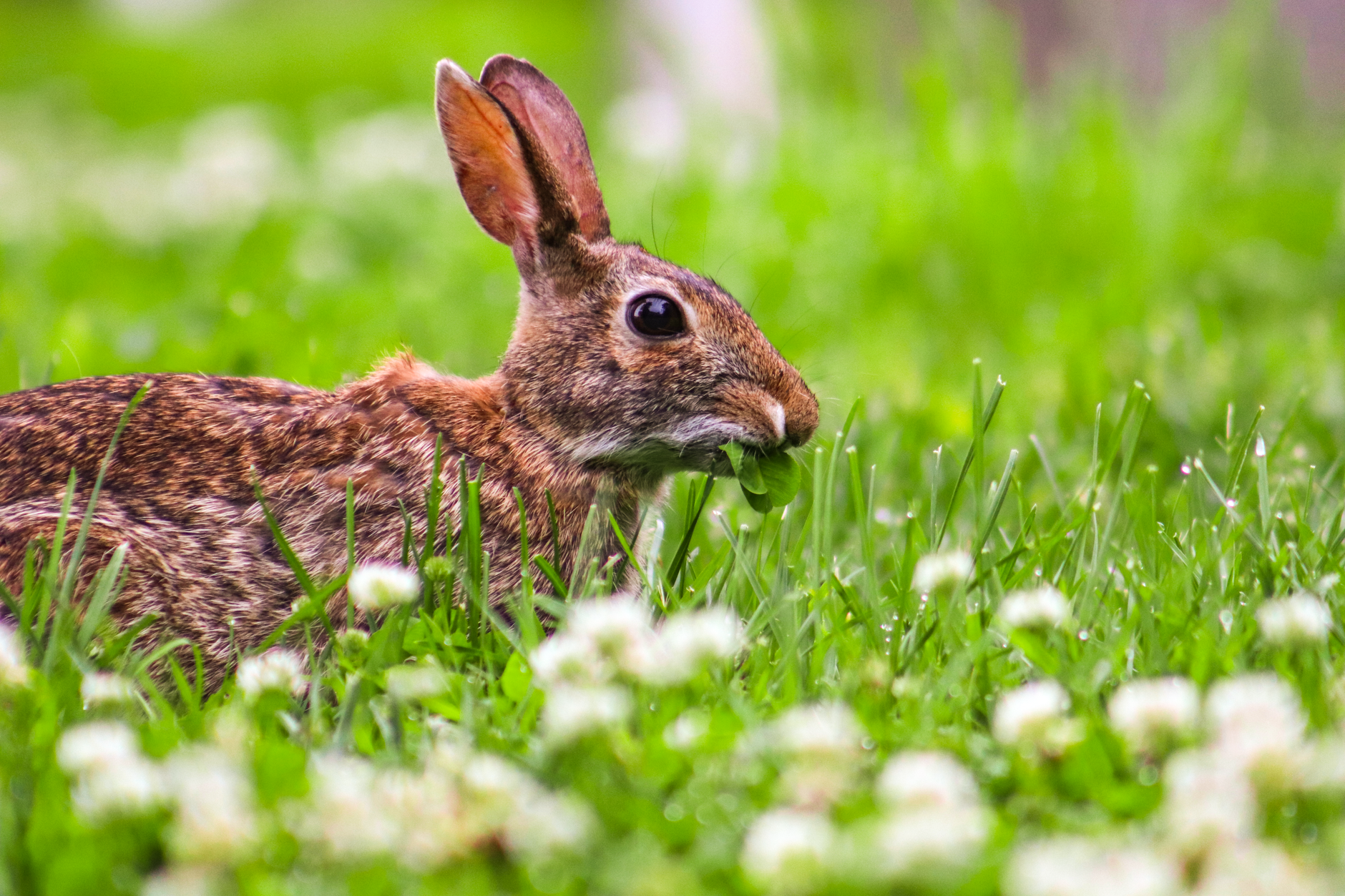
Can I Give Ice to My Bunny? Keeping Your Rabbit Cool and Hydrated
The answer is generally yes, you can give ice to your bunny as a safe and effective way to provide hydration and help them stay cool, especially during warmer months. However, moderation and proper delivery are key to ensuring your rabbit’s health and well-being.

Understanding Bunny Hydration and Heat Sensitivity
Rabbits are sensitive to heat and require a constant supply of fresh, clean water to stay healthy. They don’t sweat like humans do, making them more vulnerable to heatstroke. Therefore, keeping your bunny cool and hydrated is essential, particularly during the summer.
- Rabbits are most comfortable in temperatures between 60°F and 70°F (15°C and 21°C).
- Temperatures above 80°F (27°C) can be dangerous for rabbits.
- Dehydration can lead to serious health problems, including GI stasis.

What colours are fish most attracted to?
Can you put your finger in a trout's mouth?
Is methylene blue anti bacterial?
Does aquarium salt raise pH in aquarium?
Benefits of Giving Ice to Your Bunny

Providing ice to your bunny offers several advantages:
- Hydration: Ice melts into water, encouraging your rabbit to drink more, especially if they find plain water less appealing.
- Cooling: Chewing on ice or having it near them helps lower their body temperature.
- Enrichment: Ice provides a novel and stimulating object for your bunny to interact with.
Safe Ways to Offer Ice to Your Bunny
There are multiple safe and effective ways to offer ice to your bunny:
- Ice Cubes in Their Water Bowl: Add a few ice cubes directly to your rabbit’s water bowl. This will keep the water cooler for a longer period.
- Frozen Water Bottles: Freeze a plastic water bottle (ensure it’s bunny-safe plastic) and wrap it in a towel. Place it near your bunny for them to lean against.
- Ice Lollies (Popsicles): Freeze diluted fruit juice or vegetable puree (carrot juice is a good option) in an ice cube tray or popsicle mold. Ensure the ingredients are safe for rabbits.
- Frozen Veggies: Freeze leafy greens like lettuce (romaine is a good choice, avoid iceberg lettuce) or herbs like parsley and offer them as a refreshing treat.
Precautions and Potential Risks
While ice can be beneficial, it’s crucial to consider the following precautions:
- Moderation is Key: Don’t overdo it. Too much ice can lower your bunny’s body temperature too much or discourage them from drinking enough water overall.
- Avoid Direct Contact with Skin: Never place ice directly against your bunny’s skin, as this can cause frostbite. Always use a towel or wrap.
- Monitor Consumption: Keep an eye on your bunny’s water intake. Ensure they are still drinking regularly even with the ice.
- Dental Health: Some rabbits with dental issues may find chewing ice painful. Observe your bunny for any signs of discomfort.
- Choking Hazard: If using small ice cubes, supervise your bunny to prevent choking.
Common Mistakes to Avoid
Here are some common mistakes to avoid when offering ice to your bunny:
- Using ice cold water bottles directly against their fur.
- Giving too much ice at once, potentially leading to hypothermia.
- Not ensuring the ingredients in frozen treats are safe for rabbits.
- Ignoring signs of discomfort or reluctance to drink.
- Relying solely on ice for hydration; always provide fresh water.
Alternative Cooling Methods
Besides ice, consider these alternative methods for keeping your bunny cool:
- Provide Shade: Ensure your bunny has access to shade, especially during the hottest parts of the day.
- Good Ventilation: Ensure proper ventilation in your rabbit’s living space.
- Damp Towel: Gently dampen a towel with cool water and place it near your bunny.
- Ceramic Tiles: Cool ceramic tiles provide a refreshing place for your bunny to lie down.
- Fans: Use a fan to circulate air, but never point it directly at your bunny.
Symptoms of Heatstroke in Rabbits
Recognizing the signs of heatstroke is critical for timely intervention:
- Rapid breathing or panting
- Lethargy or weakness
- Drooling
- Red ears
- Seizures
- Unresponsiveness
If you suspect your bunny is suffering from heatstroke, immediately move them to a cooler environment, offer them cool water, and contact your veterinarian immediately.
Table: Comparing Cooling Methods for Rabbits
| Cooling Method | Benefits | Precautions |
|---|---|---|
| Ice Cubes in Water | Simple, encourages hydration | Moderation, monitor water intake |
| Frozen Water Bottle | Provides a cool surface to lie against | Wrap in a towel, ensure bunny-safe plastic |
| Ice Lollies (Popsicles) | Hydrating, provides enrichment | Use rabbit-safe ingredients, monitor consumption |
| Frozen Veggies | Healthy treat, cooling | Use rabbit-safe veggies, monitor consumption |
| Damp Towel | Cools through evaporation | Ensure it’s not too wet, replace when needed |
| Ceramic Tiles | Provides a cool surface to lie on | None |
| Fans | Circulates air | Do not point directly at the bunny |
Conclusion: Keeping Your Bunny Cool and Happy
Can I give ice to my bunny? Yes, but remember to approach it with care and consideration. By understanding your rabbit’s needs, using safe methods, and being mindful of potential risks, you can use ice as a valuable tool to keep your furry friend cool, hydrated, and happy during warm weather. Always prioritize their safety and well-being above all else.
FAQs: Everything You Need to Know About Giving Ice to Your Bunny
Can ice cubes cause dental problems in rabbits?
While generally safe, chewing on very hard ice cubes could potentially cause dental problems, especially in rabbits with existing dental issues. Monitor your bunny for any signs of discomfort, such as reluctance to eat or excessive drooling. Softening the ice slightly before giving it to them can reduce the risk.
How much ice is too much for my bunny?
There’s no one-size-fits-all answer. It depends on the individual rabbit, the ambient temperature, and their overall health. Start with small amounts and observe their reaction. If they seem uninterested or are already drinking plenty of water, don’t force it. Remember that the goal is to supplement, not replace, their regular water intake.
Is it safe to freeze fruit for my bunny as an icy treat?
Yes, freezing fruit is generally safe in moderation. However, fruits are high in sugar, so they should only be given as occasional treats. Opt for fruits like strawberries, blueberries, or raspberries. Always ensure the fruit is washed and cut into small, manageable pieces.
What are the best vegetables to freeze for my bunny as an icy treat?
Leafy greens like romaine lettuce (avoid iceberg), parsley, cilantro, and carrot tops are all excellent choices. Avoid vegetables that are high in starch or sugar, such as carrots (though carrot tops are fine). Always wash the vegetables thoroughly before freezing.
My bunny seems scared of the ice. What should I do?
Some rabbits may be wary of new things. Start by introducing the ice slowly. Place a frozen water bottle wrapped in a towel near their cage. If they seem curious, let them investigate it at their own pace. Don’t force them to interact with it if they’re uncomfortable.
Can I give my baby bunny ice?
Baby bunnies have more sensitive digestive systems than adult rabbits. It’s best to avoid giving them ice or frozen treats until they are at least six months old. Ensure they have access to fresh, clean water at all times.
What if my bunny refuses to drink water even with ice?
If your bunny consistently refuses to drink, consult with your veterinarian. There could be an underlying medical issue. Try different types of water bowls or bottles, and ensure the water is fresh and clean. Offer them wet greens to increase their fluid intake.
How often should I give ice to my bunny during hot weather?
During extremely hot weather, you can offer ice once or twice a day. Monitor your bunny’s behavior and adjust the frequency accordingly. If they seem uncomfortable or show signs of heat stress, offer ice more frequently.
Can I use tap water to make ice for my bunny?
It’s best to use filtered water to make ice for your bunny. Tap water can contain chlorine and other chemicals that may be harmful to rabbits.
What if my bunny has diarrhea after eating ice?
Stop giving your bunny ice immediately and contact your veterinarian. Diarrhea can be a sign of a serious health problem. Make sure your bunny has access to fresh hay and water.
Is it okay to give my bunny flavored ice cubes?
Avoid giving your bunny flavored ice cubes made with artificial sweeteners or added sugars. These ingredients can be harmful to rabbits. Stick to natural flavors like diluted fruit juice or vegetable puree.
How do I know if my bunny is overheating?
Signs of overheating include rapid breathing, lethargy, drooling, red ears, and unresponsiveness. If you suspect your bunny is overheating, take immediate action to cool them down and contact your veterinarian.