

Can I Boil Tap Water for My Fish Tank? A Comprehensive Guide
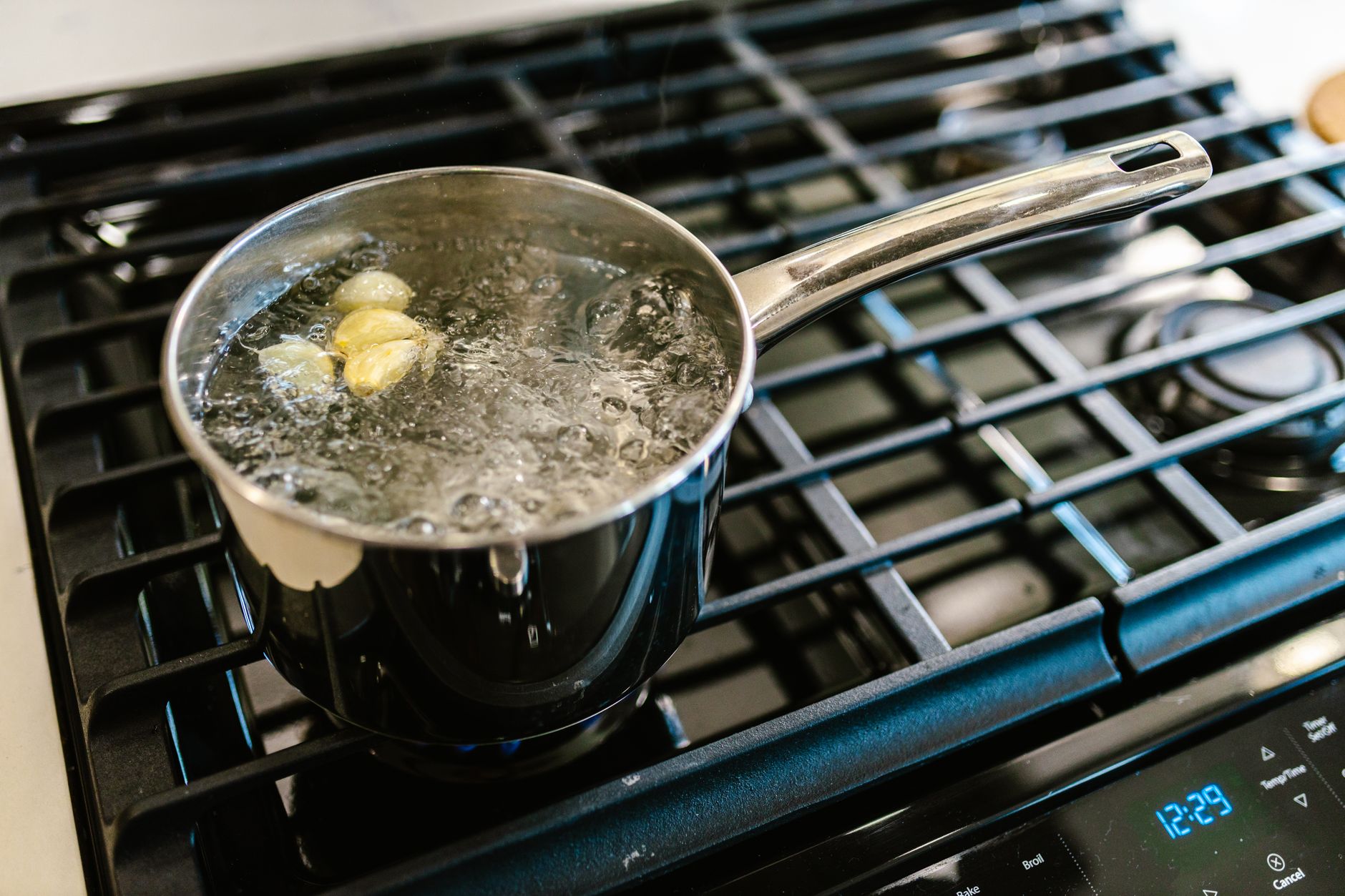
No, you should generally not use boiled tap water directly in your fish tank. While boiling can kill harmful bacteria, it doesn’t remove harmful chemicals like chlorine and chloramine, which are toxic to fish.

Introduction: The Delicate Balance of Aquarium Water
Creating and maintaining a healthy aquarium environment is a delicate balancing act. Water quality is paramount, and aquarists often wonder about the suitability of readily available resources, such as tap water. The question of whether can I boil tap water for my fish tank? is a common one. While boiling is effective for certain purposes, its impact on tap water’s composition and suitability for aquatic life requires careful consideration.
What fish do not need a filtered tank?
Can fish hold their breath out of water?
How many fish can you put in a 200 gallon tank?
Can I put pink Himalayan salt in a fish tank?
Understanding Tap Water Composition

Tap water is treated to be safe for human consumption, but this treatment often involves adding chemicals that can be harmful to fish. The specific components of tap water vary depending on the source and treatment process, but common additives include:
- Chlorine: A disinfectant used to kill bacteria.
- Chloramine: Another disinfectant, more stable than chlorine.
- Heavy Metals: Trace amounts of metals like copper, lead, and zinc can be present.
- Minerals: Tap water contains essential minerals like calcium and magnesium.
While boiling can eliminate some contaminants, it doesn’t address all potential issues.
The Effects of Boiling Tap Water
Boiling water is effective at killing many harmful microorganisms, including bacteria and parasites. However, it does not remove chlorine or chloramine. In fact, boiling can concentrate some contaminants, such as nitrates and certain heavy metals, as water evaporates.
Why Boiling Isn’t Enough for Fish Tanks
The primary concern with using tap water directly in a fish tank is the presence of chlorine and chloramine. These chemicals are toxic to fish, damaging their gills and preventing them from absorbing oxygen. Boiling does not eliminate these substances, rendering it an insufficient treatment method for aquarium water.
Alternatives to Boiling: Safe Water Treatment Methods
Several methods are available to safely treat tap water for use in fish tanks:
- Dechlorinators/Water Conditioners: These chemicals neutralize chlorine and chloramine, making the water safe for fish. They are readily available at pet stores.
- Reverse Osmosis (RO) Systems: RO systems filter out a wide range of contaminants, including chlorine, chloramine, heavy metals, and minerals. This provides extremely pure water but may require remineralization for optimal fish health.
- Deionization (DI) Systems: Similar to RO systems, DI systems remove ions from the water, resulting in high purity.
- Aging Water: Letting tap water sit uncovered for several days can allow chlorine to dissipate naturally. However, this method does not remove chloramine and is not reliable for all water sources.
| Treatment Method | Removes Chlorine | Removes Chloramine | Removes Heavy Metals | Removes Minerals |
|---|---|---|---|---|
| Dechlorinator/Conditioner | Yes | Yes | Sometimes | No |
| Reverse Osmosis (RO) | Yes | Yes | Yes | Yes |
| Deionization (DI) | Yes | Yes | Yes | Yes |
| Aging | Yes | No | No | No |
The Correct Process: Preparing Tap Water for Your Aquarium
- Test Your Tap Water: Before using any tap water in your aquarium, test it for pH, ammonia, nitrite, nitrate, chlorine, and chloramine. This provides a baseline for understanding your water’s composition.
- Choose a Treatment Method: Select a treatment method appropriate for your water quality and fish species. A dechlorinator is usually sufficient for most tap water.
- Treat the Water: Follow the instructions on your chosen water treatment product carefully. Ensure you use the correct dosage.
- Test Again: After treating the water, test it again to confirm that chlorine and chloramine levels are zero.
- Acclimate Your Fish: Gradually introduce the treated water to your aquarium to minimize stress on your fish.
Common Mistakes to Avoid
- Skipping Water Treatment: Adding untreated tap water directly to your aquarium is a common and potentially fatal mistake.
- Overdosing Water Treatment: Using too much dechlorinator can also be harmful to fish. Follow the instructions carefully.
- Ignoring Water Chemistry: Understanding the pH, hardness, and other parameters of your water is crucial for maintaining a healthy aquarium environment.
- Using Hot Tap Water: Hot tap water may contain higher levels of heavy metals leached from pipes. Always use cold tap water for aquarium use.
Frequently Asked Questions (FAQs)
Will boiling tap water remove chlorine?
While boiling water can reduce chlorine levels, it is not a reliable or complete solution. Some chlorine will evaporate, but the process is slow and inefficient, and the amount removed is variable.
Does boiling tap water remove chloramine?
No, boiling tap water does not remove chloramine. Chloramine is a more stable compound than chlorine and requires chemical treatment or specialized filtration methods for removal.
Is it safe to use tap water for my fish tank if I let it sit out for a few days?
Letting tap water sit out can help chlorine dissipate, but it will not remove chloramine or heavy metals. This method is not reliable and should be avoided unless you are certain your tap water only contains chlorine.
Can I use distilled water in my fish tank?
Distilled water is too pure for most fish tanks. It lacks the essential minerals that fish need to thrive. If you use distilled water, you must remineralize it with appropriate aquarium supplements.
Is bottled water safe for my fish tank?
The suitability of bottled water for fish tanks depends on its mineral content. Many bottled waters lack the necessary minerals and may have a pH that is unsuitable for fish. It’s essential to test the water before using it.
What are the ideal water parameters for a freshwater aquarium?
Ideal water parameters vary depending on the species of fish you are keeping, but generally include a pH between 6.5 and 7.5, zero ammonia and nitrite, and low nitrate levels. Regular testing is crucial to maintain these parameters.
How often should I perform water changes in my aquarium?
The frequency of water changes depends on the size of your aquarium, the number of fish, and the efficiency of your filtration system. A general guideline is to perform a 25-50% water change every 2-4 weeks.
What type of dechlorinator should I use?
Choose a dechlorinator that specifically removes both chlorine and chloramine. Many products are available at pet stores, and it’s crucial to read the label carefully to ensure it meets your needs.
Can I use rainwater in my fish tank?
Rainwater can be used in fish tanks, but it’s risky. It can be contaminated with pollutants from the atmosphere and surrounding environment. If you collect rainwater, filter it thoroughly and test it before use.
Is it possible to cycle an aquarium without fish?
Yes, it is possible to cycle an aquarium without fish using a method called fishless cycling. This involves adding ammonia to the tank to establish the beneficial bacteria colony before introducing fish.
What is the nitrogen cycle, and why is it important for fish tanks?
The nitrogen cycle is the process by which beneficial bacteria convert harmful ammonia into less toxic nitrite and then nitrate. It is essential for maintaining a healthy aquarium environment.
What are the signs of poor water quality in an aquarium?
Signs of poor water quality include cloudy water, excessive algae growth, fish gasping at the surface, lethargy, and disease outbreaks. Regular water testing and maintenance can help prevent these problems.