
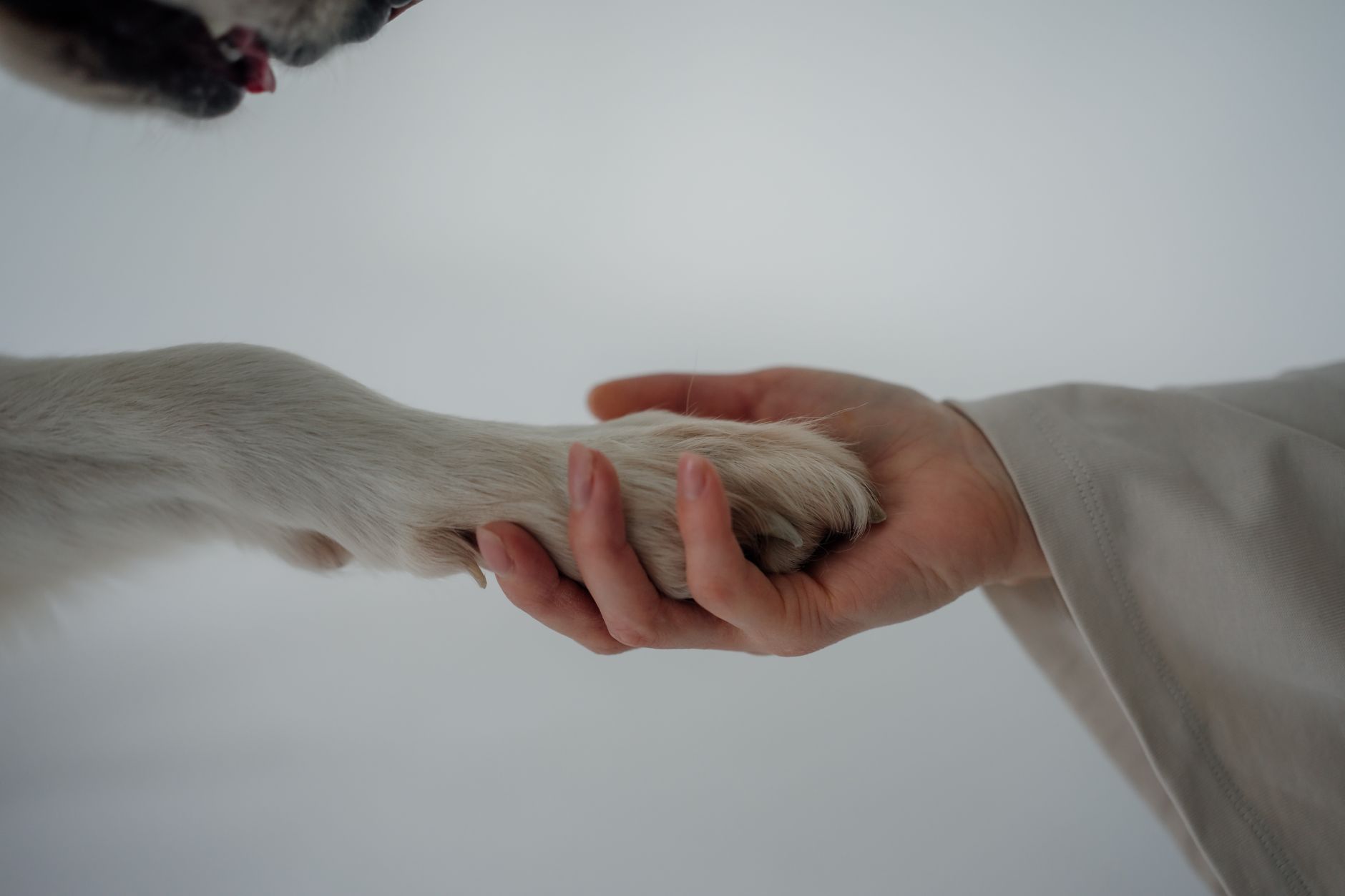
Can Humans Contact Parvo From Dogs? Unraveling the Truth About Parvovirus
The short answer: No, humans cannot contract parvovirus from dogs. The canine parvovirus is highly species-specific and does not infect humans.

Understanding Canine Parvovirus
Canine parvovirus (CPV), often referred to simply as “parvo,” is a highly contagious viral disease that primarily affects dogs, especially puppies. This disease is known for its severity and high mortality rate, particularly if left untreated. It attacks rapidly dividing cells, most notably in the intestinal tract, bone marrow, and heart (in very young puppies). Understanding the nature of this virus is crucial to addressing concerns about potential human infection.

What colours are fish most attracted to?
Can you put your finger in a trout's mouth?
Is methylene blue anti bacterial?
Does aquarium salt raise pH in aquarium?
How Parvo Affects Dogs

Parvo is transmitted through direct or indirect contact with infected feces. Because the virus is exceptionally hardy, it can survive in the environment for extended periods, even months. Common modes of transmission include:
- Direct contact with infected dogs
- Contact with contaminated surfaces (e.g., food bowls, leashes, bedding)
- Contact with contaminated soil or grass
The symptoms of parvo in dogs can be severe and include:
- Lethargy
- Loss of appetite
- Fever or low body temperature
- Vomiting
- Severe, often bloody, diarrhea
- Dehydration
Prompt veterinary care is crucial for dogs exhibiting these symptoms to improve their chances of survival. Treatment typically involves aggressive fluid therapy, anti-nausea medication, antibiotics to combat secondary infections, and supportive care.
Why Parvo Doesn’t Affect Humans
The reason humans cannot contact parvo from dogs lies in the species-specificity of the virus. Viruses are often highly adapted to infect specific types of cells in specific species. CPV is specifically adapted to infect cells in the canine digestive tract and immune system. Human cells lack the necessary receptors for the virus to bind to and initiate an infection. This is why, while devastating for dogs, parvo poses no direct threat to human health.
Potential Human Concerns
While humans cannot contact parvo from dogs and become infected with the disease itself, there are valid concerns that people may have about the disease. A common concern is the potential for humans to act as fomites, meaning that they can indirectly spread the virus.
Fomites: Inanimate objects or materials capable of carrying infectious organisms (like viruses or bacteria) and transferring them to other individuals. Examples include shoes, clothing, door handles, and toys.
If a human comes into contact with parvo-contaminated surfaces or feces, they can unknowingly carry the virus on their shoes, clothing, or hands. This presents a risk of spreading the virus to other susceptible dogs. Therefore, hygiene is important when dealing with potentially contaminated environments.
Hygiene Practices to Prevent Spread
Even though you can’t contract parvo from dogs, practicing good hygiene is essential, especially if you have dogs of your own or frequently interact with dogs. Some helpful strategies include:
- Washing your hands: Thoroughly wash your hands with soap and water after handling dogs, especially before eating or touching your face.
- Cleaning contaminated surfaces: Use appropriate disinfectants (such as diluted bleach solutions) to clean surfaces that may have come into contact with canine feces.
- Changing clothes: If you suspect your clothing has been exposed to parvo, change and wash them promptly.
- Avoiding contact with unvaccinated dogs: Minimize contact between unvaccinated puppies or dogs with compromised immune systems and potentially contaminated environments.
Parvo Vaccination for Dogs
Vaccination is the most effective way to protect dogs from parvo. Puppies receive a series of vaccinations starting around 6-8 weeks of age, followed by booster shots. Adult dogs should also receive regular booster vaccinations to maintain immunity.
A typical vaccination schedule for puppies is shown below:
| Vaccine | Initial Dose | Booster Interval |
|---|---|---|
| ————- | :————-: | :—————-: |
| Parvo (CPV) | 6-8 weeks | Every 3-4 weeks until 16 weeks old |
| Distemper/Parvo Combo (DAPP) | 6-8 weeks | Every 3-4 weeks until 16 weeks old |
| Rabies | 12-16 weeks | Booster 1 year later, then every 1-3 years |
Consult with your veterinarian to determine the best vaccination schedule for your dog based on their age, health status, and lifestyle. Proper vaccination provides a high level of protection against parvo, significantly reducing the risk of infection and severe illness.
Distinguishing Canine Parvo From Human Parvovirus B19
It’s important to differentiate canine parvovirus (CPV) from human parvovirus B19. Human parvovirus B19 is a completely different virus that causes fifth disease (erythema infectiosum) in humans, particularly children. Fifth disease is characterized by a distinctive “slapped cheek” rash, mild fever, and cold-like symptoms. Human parvovirus B19 does not infect dogs, just as canine parvovirus does not infect humans. These are distinct viruses with separate host ranges and disease presentations. Confusion arises due to the shared name “parvovirus,” but understanding that they are biologically distinct entities eliminates concerns about cross-species transmission.
Frequently Asked Questions (FAQs)
Can I get parvo from my dog if they have it?
No, you cannot get parvo from your dog. The canine parvovirus is species-specific and only infects dogs and other canine species. It poses no risk to human health.
Can I catch parvo by touching a dog with parvo?
While you can’t contract parvo from dogs by touching them, you could potentially spread the virus to other dogs if you don’t practice good hygiene. If the dog’s fur or paws are contaminated with infected feces, you can carry the virus on your hands and transfer it to other surfaces.
How long does parvo survive on surfaces?
Parvo is an extremely hardy virus and can survive for several months on surfaces, especially in cool, moist environments. This persistence makes it crucial to thoroughly disinfect any areas potentially contaminated with the virus.
What disinfectants kill parvo?
A diluted bleach solution (1 part bleach to 32 parts water) is effective at killing parvo. However, bleach can be corrosive and should be used with caution on certain surfaces. Always follow safety guidelines when using bleach and other disinfectants.
Can I get parvo from my dog’s saliva?
While the primary route of parvo transmission is through fecal matter, saliva can potentially carry the virus if the dog has recently vomited or ingested contaminated material. However, the risk of transmission through saliva alone is relatively low compared to fecal contact.
Is parvo airborne?
Parvo is not typically considered airborne. It is primarily transmitted through direct or indirect contact with contaminated feces. While small particles might be aerosolized in some situations (e.g., during cleaning), airborne transmission is not a significant concern.
Can humans be carriers of parvo without getting sick?
Yes, humans cannot contract parvo from dogs, but they can act as mechanical carriers of the virus. This means they can inadvertently transport the virus on their shoes, clothing, or hands and spread it to other susceptible dogs.
How do I know if my dog has parvo?
The symptoms of parvo in dogs include lethargy, loss of appetite, fever or low body temperature, vomiting, and severe, often bloody, diarrhea. If you observe these symptoms in your dog, seek veterinary attention immediately.
How is parvo treated in dogs?
Treatment for parvo in dogs typically involves aggressive fluid therapy to combat dehydration, anti-nausea medication to control vomiting, antibiotics to prevent secondary infections, and supportive care. Early and intensive treatment significantly improves the dog’s chances of survival.
What is the survival rate for dogs with parvo?
The survival rate for dogs with parvo varies depending on the severity of the infection, the dog’s overall health, and the promptness of treatment. With aggressive treatment, the survival rate can be as high as 90%. However, without treatment, the mortality rate can be very high, especially in puppies.
Is there a vaccine for parvo?
Yes, there is a highly effective vaccine for parvo. Vaccination is the best way to protect your dog from this deadly disease. Puppies should receive a series of vaccinations starting around 6-8 weeks of age, followed by booster shots. Adult dogs should receive regular booster vaccinations as recommended by their veterinarian.
Can humans get a parvovirus infection?
Yes, humans cannot contact parvo from dogs but can be infected with a different type of parvovirus (parvovirus B19). This virus causes fifth disease, which is most common in children and is characterized by a distinctive “slapped cheek” rash, mild fever, and cold-like symptoms. Fifth disease is generally mild and self-limiting in healthy individuals.