

Can Groundhogs See You? Unveiling the Secrets of Groundhog Vision
Can groundhogs see you? The answer is a resounding yes, but their vision is quite different from ours, prioritizing motion detection and adaptation to varying light conditions over fine detail. Groundhogs have eyes that allow them to perceive their surroundings, primarily focusing on movement to avoid predators and find food.
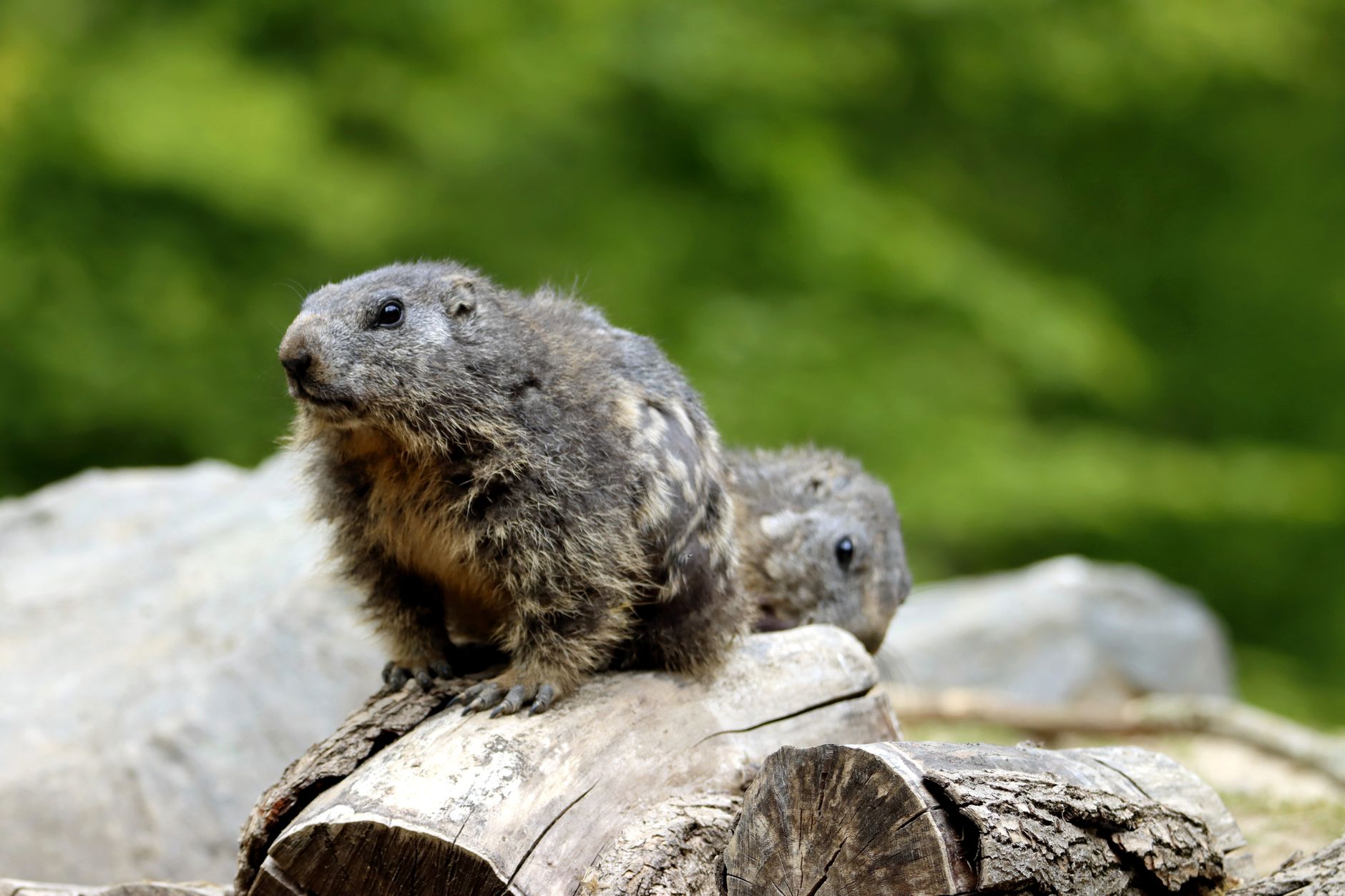
Understanding Groundhog Vision: An Introduction
Groundhogs, also known as woodchucks, are fascinating creatures with unique adaptations that allow them to thrive in their environments. One key adaptation is their vision. While groundhogs can see you, understanding the nuances of their eyesight provides crucial insight into their behavior and how they perceive the world around them. Their vision is geared towards survival, prioritizing the detection of predators and the location of food sources.

What colours are fish most attracted to?
Can you put your finger in a trout's mouth?
Is methylene blue anti bacterial?
Does aquarium salt raise pH in aquarium?
Groundhog Eye Anatomy and Functionality

A groundhog’s eyes are positioned on the sides of its head, providing a wide field of vision. This placement is typical of prey animals, enabling them to spot danger from multiple directions. The structure of their eyes, while similar to other mammals, possesses specific adaptations:
- Rod-dominated Retinas: Groundhogs possess a high concentration of rod cells in their retinas. Rod cells excel in low-light conditions, enabling excellent night vision and the ability to see well in the dim light of their burrows.
- Limited Cone Cells: While they have cone cells (responsible for color vision), the number is relatively low. This suggests that groundhogs likely have limited color perception and primarily see in shades of blue and green.
- Tapetum Lucidum: Some studies suggest groundhogs may possess a tapetum lucidum, a reflective layer behind the retina that enhances light detection in low-light environments. This would further contribute to their nocturnal or crepuscular (dawn and dusk) vision capabilities.
What Can Groundhogs Actually See?
Can groundhogs see you clearly? While they can see you, their vision differs significantly from human vision:
- Motion Detection: Groundhogs excel at detecting movement. This is their primary defense mechanism against predators. Any sudden or rapid movement will immediately attract their attention.
- Distance Vision: Groundhogs have relatively poor distance vision. They are much more adept at seeing things that are closer to them, particularly within a few meters.
- Color Perception: As mentioned earlier, their color vision is limited. They likely see the world in a muted range of colors, with a strong emphasis on blues and greens.
- Depth Perception: Groundhogs possess decent depth perception due to their binocular vision (having two eyes that provide overlapping fields of view). This helps them navigate their burrows and accurately judge distances when foraging.
Groundhog Vision vs. Human Vision: A Comparison
| Feature | Groundhog Vision | Human Vision |
|---|---|---|
| Light Sensitivity | High – adapted for low-light conditions | Moderate – well-suited for daytime vision |
| Color Perception | Limited – likely sees mostly blues and greens | Broad – can perceive a wide spectrum of colors |
| Distance Vision | Relatively Poor – best at seeing things within close proximity | Excellent – capable of seeing objects at great distances with clarity |
| Motion Detection | Excellent – extremely sensitive to movement | Good – but not as acutely sensitive as groundhogs |
| Depth Perception | Good – beneficial for burrowing and foraging | Excellent – crucial for many tasks, including driving and sports |
Groundhogs and Peripheral Vision
Due to the lateral placement of their eyes, groundhogs have exceptional peripheral vision. This wide field of view allows them to be constantly aware of their surroundings, enhancing their ability to detect approaching danger. This adaptation is vital for survival as it allows them to quickly react to threats, even those originating from their sides or behind them.
How Groundhog Vision Influences Their Behavior
Understanding how groundhogs see the world is crucial to understanding their behavior. Their sensitivity to movement explains their tendency to freeze when they detect a potential threat. Their limited color vision might influence their food choices, and their excellent low-light vision allows them to forage during dawn and dusk.
Strategies for Observing Groundhogs Respectfully
When observing groundhogs, it’s essential to respect their space and avoid causing them unnecessary stress. Here are some strategies for ethical observation:
- Move Slowly and Quietly: Avoid sudden movements or loud noises that might startle them.
- Use Binoculars: Maintain a safe distance while still getting a good view.
- Avoid Direct Eye Contact: Staring directly at a groundhog can be perceived as a threat.
- Observe from a Distance: Respect their personal space and avoid approaching their burrows.
Frequently Asked Questions (FAQs) about Groundhog Vision
Can groundhogs see in the dark?
Yes, groundhogs possess excellent night vision due to the high concentration of rod cells in their retinas. This adaptation allows them to navigate their burrows and forage in low-light conditions, particularly during dawn and dusk.
Are groundhogs blind?
No, groundhogs are not blind. They have functional vision that is well-suited for their lifestyle. While their vision differs from human vision, it is perfectly adequate for detecting predators, locating food, and navigating their environment.
Do groundhogs have good eyesight?
It depends on what you mean by “good.” Their distance vision is relatively poor, but their motion detection and low-light vision are exceptional. They have the eyesight tailored for their unique needs.
What colors can groundhogs see?
While more research is needed to confirm the precise range, it is generally believed that groundhogs have limited color vision, likely seeing primarily in shades of blue and green.
How far can groundhogs see?
Groundhogs are best at seeing things within close proximity, usually a few meters. Their distance vision is not as sharp as their ability to detect movement nearby.
Can groundhogs see humans?
Yes, groundhogs can see you. However, they rely more on detecting movement than on recognizing specific shapes or details. So, a still human figure may blend into the background, but any movement will immediately catch their attention.
Are groundhogs afraid of humans?
Generally, yes. Groundhogs are naturally cautious animals and tend to avoid humans whenever possible. Sudden movements or loud noises will likely scare them.
How do groundhogs use their vision to find food?
While smell is also important, groundhogs use their vision to locate potential food sources, particularly those with vibrant colors that they can distinguish within their limited color spectrum.
Do groundhogs rely more on sight or smell?
Groundhogs likely rely on a combination of both sight and smell. Sight is crucial for detecting predators and locating food, while smell is used to identify food sources and navigate their burrows.
What is the purpose of their wide field of vision?
The wide field of vision provided by their laterally placed eyes is crucial for detecting predators from multiple directions. This enhances their ability to react quickly to threats and escape danger.
How does groundhog vision affect their burrowing behavior?
Their good depth perception and excellent low-light vision help groundhogs navigate their burrows effectively, allowing them to create complex tunnel systems and find their way back to their dens.
Can bright light hurt a groundhog’s eyes?
Yes, sudden exposure to bright light can be unpleasant or even disorienting for groundhogs, especially after being in the darkness of their burrows. This is why they are often seen squinting or shielding their eyes when emerging into sunlight.