

Can Great White Shark Teeth Be Black? Exploring the Fossils of the Ocean’s Apex Predator
Yes, great white shark teeth can be black, particularly in their fossilized form due to a process called fossilization where minerals replace the original tooth structure. Understanding why the color changes requires a dive into the fascinating world of marine paleontology and the enduring legacy of the Carcharodon carcharias.
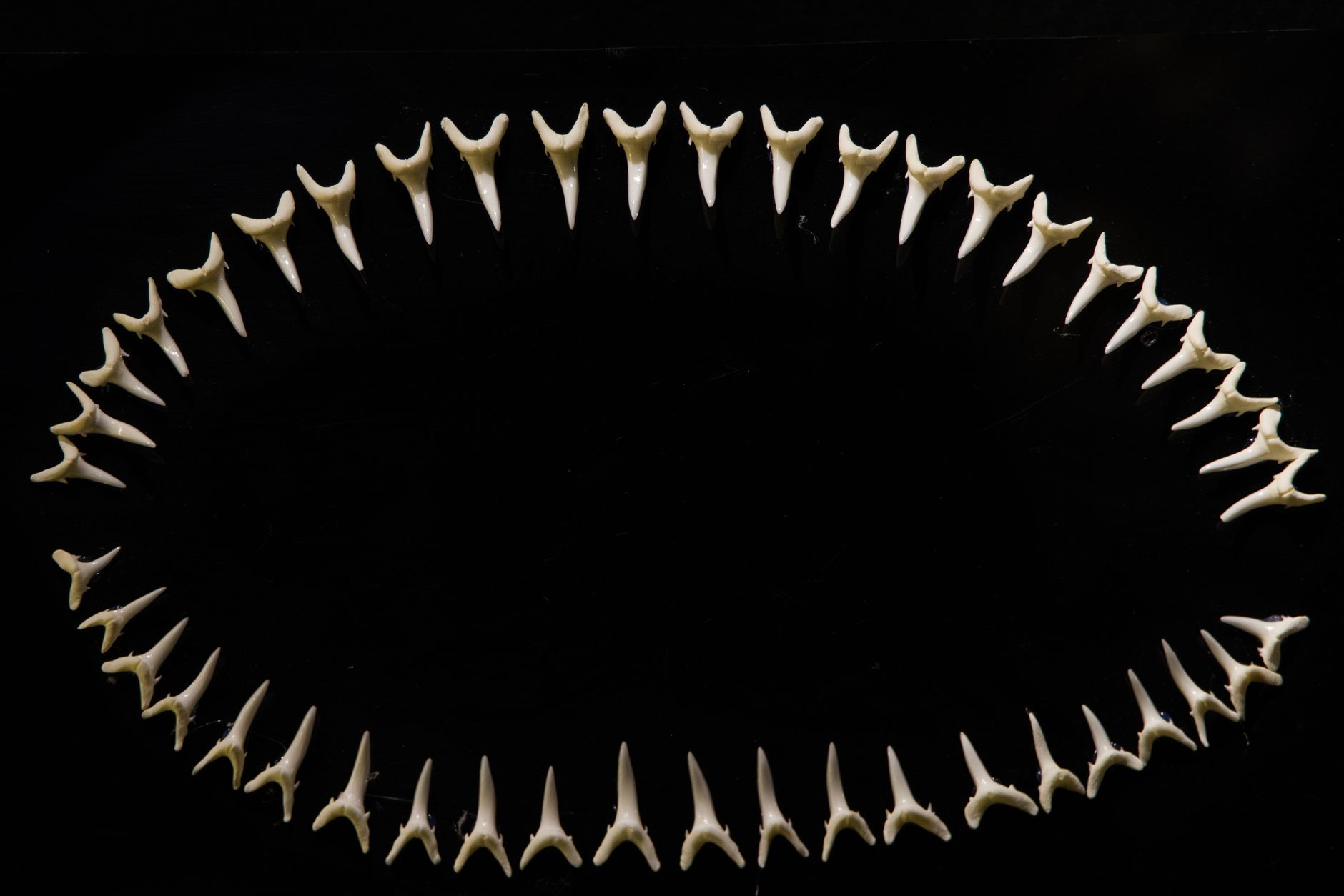
Great White Shark Teeth: A Background
Great white sharks, Carcharodon carcharias, are apex predators renowned for their size, power, and, of course, their formidable teeth. These teeth, essential for hunting and feeding, are constantly being replaced throughout a shark’s life. A single great white can shed thousands of teeth over its lifetime, leading to a significant number of teeth accumulating on the ocean floor. These teeth are composed of:
- Enamel: The hard, outer layer.
- Dentine: The main body of the tooth, a bone-like material.
- Pulp: The soft tissue inside the tooth containing blood vessels and nerves.
When a great white shark tooth is shed and settles on the seabed, it can become buried in sediment. This burial process sets the stage for fossilization.

What colours are fish most attracted to?
Can you put your finger in a trout's mouth?
Is methylene blue anti bacterial?
Does aquarium salt raise pH in aquarium?
The Fossilization Process

Fossilization is a complex process that transforms organic material into stone. For great white shark teeth, this process typically involves the following steps:
- Burial: The tooth is quickly buried in sediment, protecting it from scavengers and physical weathering.
- Mineralization: Over time, minerals from the surrounding sediment, such as calcium carbonate, silica, iron pyrite, and manganese, seep into the tooth’s porous structure.
- Replacement: These minerals gradually replace the original organic material (enamel, dentine, and pulp).
- Per mineralization/Petrifaction: Mineral deposits will fill the pores of the shark tooth.
The type of minerals present in the sediment significantly impacts the color of the fossilized tooth.
Why Black Teeth? The Role of Minerals
The black color often observed in fossilized great white shark teeth is typically due to the presence of manganese oxide or iron pyrite.
- Manganese Oxide: This mineral is a strong black pigment that readily stains and replaces the organic material in the tooth.
- Iron Pyrite (Fool’s Gold): While iron pyrite itself has a golden hue, it can transform into iron oxides such as limonite or goethite, which can appear dark brown or black.
- Other Minerals: While less common, other dark-colored minerals can also contribute to the black coloration.
Therefore, can great white shark teeth be black? Yes, because of mineral replacement during the fossilization process.
Factors Influencing Fossilization and Color
Several factors influence the fossilization process and the resulting color of the shark tooth:
- Sediment Composition: The type and concentration of minerals in the surrounding sediment are crucial determinants of the tooth’s color.
- Groundwater Chemistry: The chemical composition of groundwater flowing through the sediment affects the rate of mineralization.
- Time: The longer a tooth remains buried, the greater the degree of mineralization and color change.
- Environmental Conditions: Factors like temperature, pressure, and pH can impact the chemical reactions involved in fossilization.
Value and Identification of Fossilized Great White Shark Teeth
Fossilized great white shark teeth are prized by collectors and researchers alike. Their value depends on factors like size, condition, color, and rarity. Black teeth are frequently found and are a beautiful visual representation of these magnificent apex predators.
Key Identification Features:
| Feature | Description |
|---|---|
| Shape | Triangular, serrated edges |
| Size | Can range from 1 to over 3 inches in length (diagonal length) |
| Color | Can range from white or cream to black, brown, gray, or bluish |
| Root Structure | Well-defined root |
| Serrations | Sharp, distinct serrations along the edges |
Frequently Asked Questions (FAQs)
Why are some fossilized shark teeth other colors besides black?
The color of a fossilized shark tooth depends on the minerals present in the surrounding sediment. For example, teeth fossilized in iron-rich environments may exhibit reddish-brown hues, while those exposed to copper might have a greenish tint. The absence of dark minerals and the presence of other minerals are key factors in determining the color.
Is it possible to determine the age of a fossilized great white shark tooth?
Yes, dating methods can be used, but the accuracy varies. Radiometric dating (e.g., uranium-lead dating) can be employed if suitable materials are present in the surrounding sediment or the tooth itself. However, relative dating methods, which compare the tooth’s stratigraphic position to other fossils with known ages, are more commonly used.
Are black great white shark teeth more valuable than white ones?
Not necessarily. The value of a fossilized shark tooth is influenced by a combination of factors including size, condition, completeness, rarity, and aesthetic appeal. A perfectly preserved, large white tooth may be more valuable than a smaller, chipped black tooth.
Where are black great white shark teeth most commonly found?
Black great white shark teeth are frequently found in areas with sediment rich in manganese or iron, such as coastal plains and riverbeds. Popular locations include the southeastern United States (particularly Florida, South Carolina, and North Carolina), as well as parts of Europe and Australia.
How can I tell if a black shark tooth is genuine and not a fake?
Authenticity can be determined through careful examination. Genuine fossilized shark teeth typically exhibit:
- A natural feel and texture.
- Microscopic details visible under magnification.
- A consistent color throughout the tooth.
- A weight consistent with a fossilized object.
Consulting with a qualified paleontologist can also help verify authenticity.
Can I clean a black fossilized shark tooth?
Yes, but caution is advised. Use a soft brush and mild soap and water to gently remove dirt and debris. Avoid harsh chemicals or abrasive cleaners, as these can damage the fossil. Do not use vinegar, as it can react with the minerals.
Do black great white shark teeth come from modern sharks or extinct species?
While most fossilized teeth come from extinct species, black great white shark teeth can also be found as fossils of modern Carcharodon carcharias. The coloration depends on the fossilization process and not necessarily the age of the species.
What is the largest fossilized great white shark tooth ever found?
The largest fossilized great white shark teeth belong to the extinct Megalodon, not Carcharodon carcharias. Megalodon teeth can reach over 7 inches in length, whereas great white shark teeth typically max out around 3 inches.
How long does it take for a great white shark tooth to fossilize?
The fossilization process can take millions of years. The exact timeframe depends on several factors, including the rate of sediment accumulation, the concentration of minerals, and the stability of the geological environment.
Is it legal to collect fossilized great white shark teeth?
Regulations vary depending on location. On private land, collection may be permissible with the landowner’s consent. On public land, there may be restrictions or permits required. Always check local laws and regulations before collecting any fossils.
Can black great white shark teeth tell us anything about the ancient ocean environment?
Yes, fossilized shark teeth provide valuable insights into past ocean environments. The mineral composition of the teeth can reveal information about the water chemistry, sediment composition, and climate conditions that existed millions of years ago.
What should I do if I find a black great white shark tooth?
If you find what you believe is a significant fossilized shark tooth, consider documenting your find with photographs and location information. You can then consult with a local museum or paleontological society to learn more about your discovery and potentially contribute to scientific research.
In conclusion, can great white shark teeth be black? Absolutely. These dark-hued relics are a testament to the powerful forces of nature and the enduring legacy of one of the ocean’s most iconic predators.