

Can Fish Survive Algae? A Comprehensive Guide
Can fish survive algae? Generally, most fish can survive in the presence of algae, and some even benefit from it. However, excessive algae growth, particularly harmful algal blooms, can severely deplete oxygen levels and release toxins, leading to fish death.

The Complex Relationship Between Fish and Algae
The relationship between fish and algae is complex and multifaceted, playing a crucial role in aquatic ecosystems. Algae, as primary producers, form the base of the food web, but their impact on fish health and survival varies greatly depending on the type of algae, its abundance, and the specific environmental conditions.

Are fish heads good for the garden?
Can fish hear water?
What is cotton rot in fish?
What colours are fish most attracted to?
Algae as a Food Source
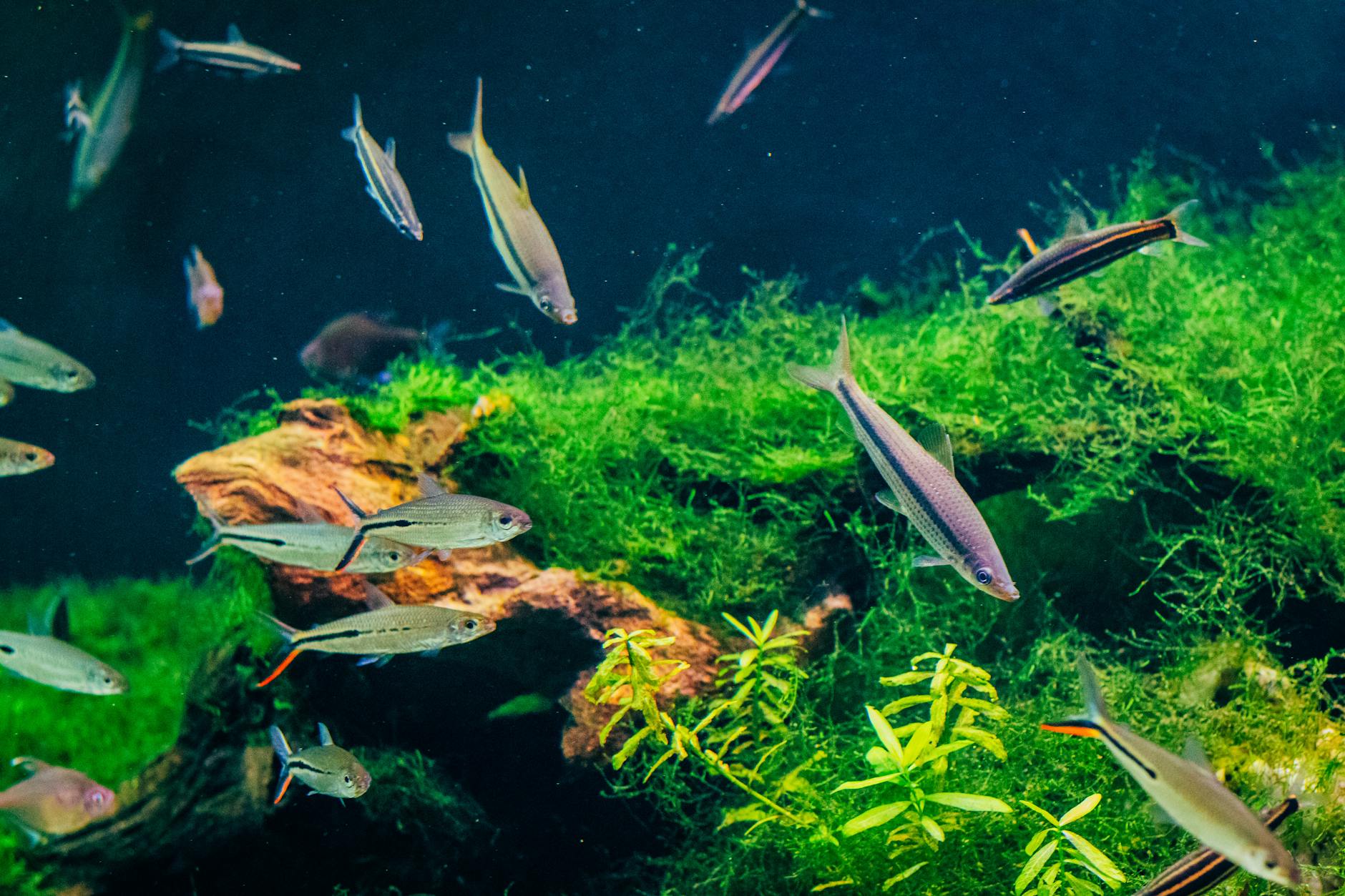
Many fish species, particularly herbivorous fish like some types of tilapia, catfish, and minnows, directly consume algae. These fish play a vital role in controlling algae growth and maintaining a balanced ecosystem. Algae provide essential nutrients and energy for these fish, contributing to their growth and overall health. Microscopic algae, such as diatoms and dinoflagellates, are also a crucial food source for zooplankton, which in turn are consumed by small fish.
Algae and Oxygen Production
Algae, like plants, produce oxygen through photosynthesis. This oxygen is essential for the survival of fish and other aquatic organisms. In a healthy aquatic environment, algae contribute significantly to the dissolved oxygen levels, creating a suitable habitat for fish.
The Dangers of Algal Blooms
While algae are generally beneficial, excessive growth can lead to harmful algal blooms (HABs). These blooms can have devastating consequences for fish populations.
- Oxygen Depletion: As algae die and decompose, bacteria consume large amounts of oxygen, leading to hypoxia (low oxygen) or anoxia (no oxygen). This oxygen depletion can suffocate fish.
- Toxin Production: Some algae species produce toxins that can directly harm or kill fish. These toxins can affect the nervous system, liver, or other vital organs.
- Physical Harm: Dense algal blooms can clog fish gills, making it difficult for them to breathe. They can also block sunlight, reducing the growth of beneficial submerged aquatic vegetation.
Types of Algae and Their Impact
Different types of algae have different impacts on fish.
| Algae Type | Impact on Fish |
|---|---|
| Green Algae | Generally beneficial, serving as a food source for many fish species. |
| Diatoms | Important food source for zooplankton, which in turn are eaten by fish. Generally beneficial. |
| Blue-Green Algae (Cyanobacteria) | Can produce toxins that are harmful to fish. Can also contribute to oxygen depletion during blooms. |
| Dinoflagellates | Some species cause harmful algal blooms that produce toxins. Others are harmless or even beneficial. |
Managing Algae Growth to Protect Fish
Managing algae growth is crucial for maintaining healthy aquatic ecosystems and protecting fish populations.
- Nutrient Reduction: Reduce nutrient runoff from agricultural land, urban areas, and wastewater treatment plants. This can be achieved through improved agricultural practices, stormwater management, and wastewater treatment technologies.
- Water Circulation: Improving water circulation can help prevent algae blooms by disrupting stratification and distributing nutrients more evenly.
- Biological Control: Introducing herbivorous fish or other organisms that feed on algae can help control algae growth.
- Chemical Control: In some cases, chemical treatments may be necessary to control severe algae blooms. However, this should be done carefully to avoid harming other aquatic organisms.
Can Fish Survive Algae? – Case Studies
Numerous case studies illustrate the impact of algae on fish populations. For example, massive fish kills have been documented in lakes and coastal areas affected by harmful algal blooms, particularly red tides caused by toxic dinoflagellates. Conversely, well-managed aquaculture systems often rely on algae as a natural food source for fish, demonstrating the beneficial role of algae under controlled conditions.
The Role of Climate Change
Climate change is exacerbating the problem of harmful algal blooms. Warmer water temperatures, increased nutrient runoff due to more frequent and intense storms, and changes in ocean salinity are all contributing to the increased frequency and intensity of HABs, posing a growing threat to fish populations.
Frequently Asked Questions
What types of algae are most harmful to fish?
Blue-green algae (cyanobacteria) and certain dinoflagellates are among the most harmful algae to fish. These algae can produce potent toxins that can kill fish or cause sublethal effects such as impaired growth and reproduction. They can also contribute to oxygen depletion.
How can I tell if algae are causing a problem in my pond or aquarium?
Signs that algae may be causing a problem include excessive algae growth, murky water, foul odors, and dead or distressed fish. Testing the water for oxygen levels, pH, and nutrient concentrations can help determine if algae are contributing to the problem.
Can fish eat algae?
Yes, many fish species eat algae as a primary food source. Examples include grass carp, plecos, and some species of tilapia. These fish can help control algae growth in ponds and aquariums.
What is a harmful algal bloom (HAB)?
A harmful algal bloom is an excessive growth of algae that can produce toxins or cause other harmful effects on aquatic ecosystems and human health. HABs can lead to fish kills, shellfish contamination, and respiratory problems in humans.
How does algae affect oxygen levels in the water?
During the day, algae produce oxygen through photosynthesis, which can increase dissolved oxygen levels. However, at night, algae consume oxygen through respiration. In addition, when algae die and decompose, bacteria consume large amounts of oxygen, leading to oxygen depletion.
What are the main causes of algal blooms?
The main causes of algal blooms include excessive nutrient levels (particularly nitrogen and phosphorus), warm water temperatures, and stagnant water conditions. Nutrient pollution from agricultural runoff, sewage, and industrial discharges is a major contributor.
How can I prevent algal blooms in my pond?
Preventing algal blooms involves reducing nutrient runoff, maintaining good water circulation, and controlling aquatic vegetation. Consider using nutrient-absorbing materials, installing a fountain or aerator, and introducing herbivorous fish.
Are there any fish that can control algae growth?
Yes, some fish species, such as grass carp and plecos, are known for their ability to control algae growth. However, it is important to consider the potential ecological impacts of introducing these fish into a new environment.
What should I do if I suspect a harmful algal bloom in my local lake or river?
If you suspect a harmful algal bloom, avoid swimming or boating in the affected area and contact your local environmental agency. They can test the water for toxins and take appropriate action to protect public health.
Can fish recover after a harmful algal bloom?
Fish populations can sometimes recover after a harmful algal bloom, but the recovery process can be slow and dependent on the severity of the bloom and the resilience of the fish species. Some fish may be more susceptible to the effects of toxins than others.
How does climate change affect algae?
Climate change can increase the frequency and intensity of harmful algal blooms by raising water temperatures, increasing nutrient runoff from storms, and altering water salinity.
What are some long-term solutions to managing algae problems?
Long-term solutions to managing algae problems include reducing nutrient pollution from agricultural and urban sources, restoring wetlands to filter out nutrients, and promoting sustainable water management practices. These efforts require a coordinated approach involving governments, businesses, and individuals.