
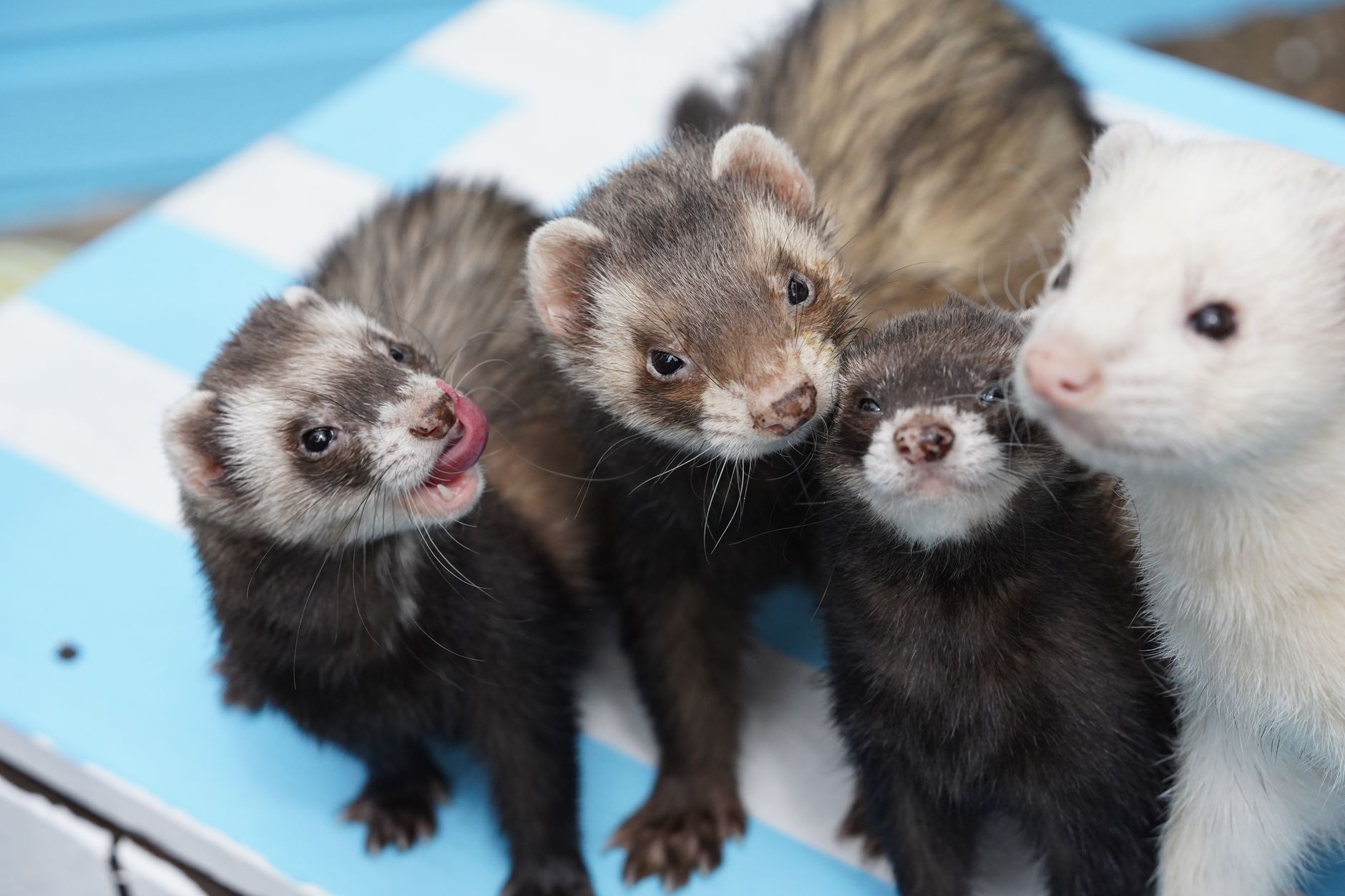
Can Ferrets Use Scented Litter? A Deep Dive
Can ferrets use scented litter? The answer is generally no. Scented litters can pose significant health risks to ferrets, primarily due to their sensitive respiratory systems and propensity for digging and inhaling litter dust.

Understanding Ferret Respiratory Sensitivity
Ferrets possess incredibly sensitive respiratory systems, making them susceptible to irritation and respiratory problems from various environmental factors. Unlike cats or dogs, their smaller lung capacity and nasal passages make them particularly vulnerable to airborne particles and strong odors. This sensitivity plays a crucial role in determining whether can ferrets use scented litter? safely.
- Smaller Lung Capacity: Ferrets have relatively small lungs compared to other similar-sized mammals.
- Sensitive Nasal Passages: Their nasal passages are highly sensitive and prone to irritation.
- Rapid Breathing Rate: Ferrets have a faster breathing rate, increasing their exposure to airborne irritants.
Is distilled water good for goldfish?
What colours are fish most attracted to?
Can you put your finger in a trout's mouth?
Is methylene blue anti bacterial?
The Risks of Scented Litter

The addition of fragrances to litter, while appealing to humans, introduces several potential dangers for ferrets. These risks directly answer the question of can ferrets use scented litter? in the negative.
- Respiratory Irritation: Scented litters often contain volatile organic compounds (VOCs) that can irritate a ferret’s respiratory tract, leading to sneezing, coughing, and even more severe respiratory infections.
- Allergic Reactions: Ferrets can develop allergic reactions to the chemicals used in scented litters, resulting in skin irritation, itching, and respiratory distress.
- Liver Damage: Some chemicals found in scented litters, such as phenols, can be toxic to ferrets if ingested, potentially causing liver damage. Ferrets often groom themselves, potentially ingesting residue from their paws.
- Behavioral Issues: The strong odors of scented litter can be overwhelming for ferrets, leading to behavioral changes such as litter box avoidance or increased stress.
Safe Litter Alternatives for Ferrets
Choosing the right litter is paramount for your ferret’s health and well-being. Given the dangers of scented litter, exploring safe alternatives is crucial. This directly addresses the issue of can ferrets use scented litter? by providing viable options.
- Paper-Based Litter: Paper-based litters are a safe and popular choice. They are absorbent, low-dust, and biodegradable.
- Wood Pellet Litter: Kiln-dried wood pellets are another excellent option. They are absorbent, control odors effectively, and are relatively dust-free.
- Cloth Diapers or Towels: Some ferret owners use cloth diapers or towels in their ferret’s litter box, which are washable and reusable.
- Avoid Clumping Clay Litter: Clumping clay litter should never be used for ferrets. It can be ingested and cause intestinal blockages.
Here’s a comparison of some safe ferret litter options:
| Litter Type | Absorbency | Dust Level | Odor Control | Safety |
|---|---|---|---|---|
| Paper-Based | High | Low | Good | Excellent |
| Wood Pellet | High | Low | Excellent | Excellent |
| Cloth Diapers/Towels | Medium | Very Low | Fair | Excellent |
Recognizing Signs of Litter-Related Health Problems
It’s essential to monitor your ferret for any signs of health problems that may be related to their litter. Early detection and intervention can prevent serious complications.
- Sneezing and Coughing: Frequent sneezing or coughing can indicate respiratory irritation.
- Watery Eyes and Nasal Discharge: These symptoms may suggest an allergic reaction or infection.
- Lethargy and Loss of Appetite: These are general signs of illness and should be investigated by a veterinarian.
- Difficulty Breathing: This is a serious symptom that requires immediate veterinary attention.
- Skin Irritation or Itching: This may indicate an allergic reaction to the litter.
Transitioning to a New Litter Type
If you’re currently using scented litter, gradually transitioning to a safer alternative is important. A sudden change can stress your ferret and lead to litter box avoidance.
- Mix Old and New: Start by mixing a small amount of the new litter with the old litter in their litter box.
- Gradually Increase: Over several days, gradually increase the proportion of new litter and decrease the proportion of old litter.
- Monitor Behavior: Observe your ferret’s behavior during the transition. If they show signs of stress or litter box avoidance, slow down the process.
- Clean Thoroughly: Once the transition is complete, thoroughly clean the litter box to remove any remaining scent from the old litter.
Frequently Asked Questions (FAQs) About Ferret Litter
Why are ferrets so sensitive to scented litter?
Ferrets have a highly sensitive respiratory system due to their small lung capacity and delicate nasal passages. The chemicals and fragrances in scented litter can easily irritate their airways, leading to respiratory problems. This heightened sensitivity makes the question “Can ferrets use scented litter?” an easy one to answer: no.
Are all scented litters harmful to ferrets?
While some scented litters may be marketed as “pet-friendly,” it’s generally best to avoid them altogether. The specific chemicals used in fragrances can vary, and even those deemed “safe” can still cause irritation in sensitive ferrets. It’s simply not worth the risk.
What if my ferret seems fine with scented litter?
Even if your ferret doesn’t show immediate signs of distress, long-term exposure to scented litter can still have negative health consequences. Subtle respiratory irritation or liver damage may not be immediately apparent but can develop over time. Preventative care is always better than reactive treatment.
Can I use air fresheners near my ferret’s cage?
No, air fresheners should be avoided near ferret cages for the same reasons as scented litter. The chemicals and fragrances in air fresheners can be harmful to their respiratory system. Ventilation is the key to a fresh-smelling environment.
What should I do if my ferret has a reaction to scented litter?
If you suspect your ferret is having a reaction to scented litter, remove the litter immediately and replace it with a safe alternative. Monitor your ferret for any worsening symptoms and consult with a veterinarian as soon as possible.
How often should I clean my ferret’s litter box?
Ferrets are clean animals and prefer a clean litter box. Scoop the litter box daily to remove waste and change the litter completely at least once a week, or more often if needed. This helps control odors and prevents the buildup of harmful bacteria.
Can I use clumping clay litter for my ferret?
Absolutely not. Clumping clay litter is extremely dangerous for ferrets. If ingested, it can clump together in their intestines, causing a potentially fatal blockage.
Is it okay to use pine or cedar shavings as litter?
Pine and cedar shavings are not recommended for ferrets. They contain aromatic oils that can irritate their respiratory system and liver. Kiln-dried pine is generally considered safer as the volatile oils are reduced during the drying process, however other options are preferred.
What’s the best way to control odors in my ferret’s cage?
Regular cleaning is the most effective way to control odors. Additionally, ensure proper ventilation in the room where your ferret’s cage is located. Air purifiers can also help remove odors and allergens.
My ferret is suddenly not using the litter box. Could it be the litter?
Yes, changes in litter type, scent, or cleanliness can cause a ferret to avoid their litter box. First, ensure there are no underlying medical issues contributing to the change in behavior by scheduling a veterinarian visit. If a clean bill of health is given, consider changing the litter back to the previous type or cleaning the box more frequently.
Where should I place my ferret’s litter box?
Place your ferret’s litter box in a designated corner of their cage, away from their sleeping and eating areas. Ferrets naturally prefer to eliminate in corners. Multiple litter boxes may be needed if you have a multi-level cage.
How do I train my ferret to use the litter box?
Ferrets naturally prefer to eliminate in corners, so placing a litter box in a corner of their cage is a good start. After your ferret wakes up or eats, place them in the litter box. You can also move any accidents into the litter box to encourage them to use it. The question of “Can ferrets use scented litter?” is irrelevant if your ferret doesn’t use the litter box to begin with. Consistency and patience are key.