
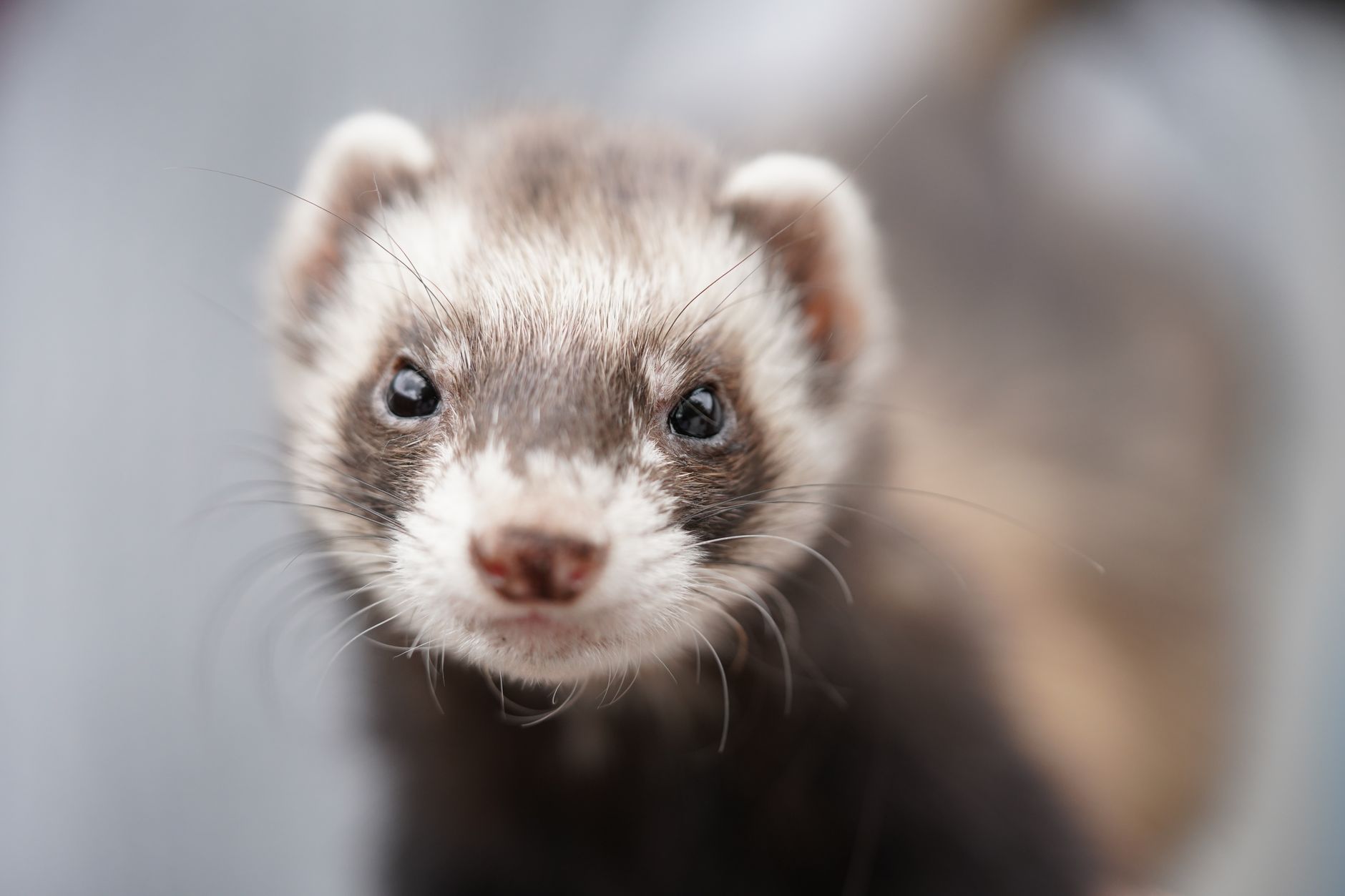
Can Ferrets Take Benadryl? Understanding Diphenhydramine Use in Ferrets
Can ferrets take Benadryl? The short answer is: maybe, but it should only be done under the direct guidance and supervision of a veterinarian due to potential risks and the lack of definitive studies proving its safety and efficacy in ferrets.

Understanding Benadryl and its Effects
Diphenhydramine, commonly known as Benadryl, is an antihistamine often used to treat allergies, insect bites, and motion sickness in humans. It works by blocking histamine, a chemical released by the body during an allergic reaction. While it’s readily available over-the-counter, its use in animals, including ferrets, requires careful consideration.
Is distilled water good for goldfish?
What colours are fish most attracted to?
Can you put your finger in a trout's mouth?
Is methylene blue anti bacterial?
Why Consider Benadryl for Ferrets?

While its use should be carefully evaluated by a veterinarian, there are instances where Benadryl might be considered for ferrets:
- Allergic Reactions: If a ferret exhibits symptoms of an allergic reaction, such as facial swelling, hives, or difficulty breathing, a vet might suggest Benadryl as part of the treatment plan. However, this is usually alongside other medications, like corticosteroids.
- Insect Bites or Stings: To alleviate itching and swelling from insect bites or stings.
- Mild Sedation: In rare cases, a vet might use it to induce mild sedation for travel or stressful situations, although safer and more effective alternatives exist.
Risks and Considerations
Several crucial factors must be considered before administering Benadryl to a ferret:
- Lack of Definitive Studies: Very little research exists specifically on the effects of Benadryl in ferrets. This means the proper dosage, potential side effects, and long-term effects are largely unknown.
- Potential Side Effects: Possible side effects in ferrets can include:
- Drowsiness
- Dry mouth
- Increased heart rate
- Urinary retention
- Paradoxical excitation (increased activity and agitation)
- Drug Interactions: Benadryl can interact with other medications a ferret might be taking, potentially leading to serious health complications. It’s crucial to inform your vet of all medications and supplements your ferret receives.
- Underlying Health Conditions: Certain pre-existing health conditions, such as heart disease or glaucoma, can be exacerbated by Benadryl.
- Dosage Accuracy: Accurate dosing is critical. Due to the small size of ferrets, even a slight overdose can be dangerous. Only a veterinarian can determine the appropriate dosage based on the ferret’s weight and condition.
- Masking Symptoms: Benadryl can mask underlying symptoms of a more serious problem, delaying proper diagnosis and treatment.
Consulting a Veterinarian
The most important step before considering Benadryl for your ferret is to consult with a qualified veterinarian experienced in treating ferrets. The vet can:
- Assess your ferret’s condition and determine if Benadryl is appropriate.
- Calculate the correct dosage.
- Monitor your ferret for any adverse reactions.
- Recommend safer and more effective alternatives if necessary.
Safe Alternatives
Depending on the specific situation, a veterinarian might recommend alternative treatments to Benadryl, such as:
- Corticosteroids: For severe allergic reactions.
- Anti-inflammatory medications: To reduce swelling and inflammation.
- Cool compresses: To soothe insect bites.
- Prescription sedatives: For anxiety or travel.
Dosing Considerations
If, under the strict guidance of a veterinarian, Benadryl is deemed necessary, ensure the dosage is precise. Liquid Benadryl is often preferred for ease of administration. The dosage will vary based on the ferret’s weight and the specific condition being treated. Never guess at the dosage.
Key Takeaways
- Never administer Benadryl to your ferret without veterinary consultation.
- Potential side effects and drug interactions exist.
- Accurate dosing is critical.
- Safer alternatives might be available.
- Benadryl can mask underlying health issues.
Frequently Asked Questions (FAQs)
What are the signs of an allergic reaction in a ferret?
Signs of an allergic reaction in a ferret can include facial swelling (especially around the eyes and mouth), hives or skin rash, difficulty breathing, vomiting, diarrhea, excessive scratching, and lethargy. If you observe any of these signs, seek immediate veterinary attention.
Can I use children’s Benadryl for my ferret?
No, you should never use children’s Benadryl without specific veterinary guidance. Even children’s formulations can contain additives that are harmful to ferrets, and proper dosage requires a veterinarian’s calculation based on the ferret’s weight and condition.
What if I accidentally gave my ferret too much Benadryl?
If you suspect you have given your ferret too much Benadryl, contact your veterinarian or an emergency veterinary clinic immediately. Symptoms of an overdose can include extreme lethargy, incoordination, seizures, and coma.
Is Benadryl safe for pregnant or lactating ferrets?
The safety of Benadryl in pregnant or lactating ferrets is unknown. Due to the potential risks to the developing fetuses or nursing kits, it’s best to avoid Benadryl altogether unless specifically directed by a veterinarian who deems it absolutely necessary and weighs the risks and benefits.
How quickly does Benadryl work in ferrets?
If it is deemed necessary and appropriate by a veterinarian, Benadryl typically begins to take effect within 30-60 minutes. However, the effectiveness and duration of action can vary depending on the individual ferret and the condition being treated.
Can Benadryl be used to treat adrenal disease in ferrets?
No, Benadryl is not a treatment for adrenal disease in ferrets. Adrenal disease requires specific treatments such as surgery, hormone implants, or hormone injections, which must be administered by a veterinarian.
Are there any ferrets that should never take Benadryl?
Ferrets with certain pre-existing conditions, such as heart disease, glaucoma, or enlarged prostate, should generally avoid Benadryl. Also, ferrets with a known sensitivity or allergy to diphenhydramine should never be given the drug.
What is the shelf life of Benadryl?
The shelf life of Benadryl is typically indicated on the packaging, usually around 2-3 years from the manufacturing date. Never use expired medication, as its effectiveness may be reduced, or it may even become harmful. Always consult with your veterinarian about safe administration.
Can I give my ferret Benadryl for motion sickness during travel?
While Benadryl might reduce motion sickness in ferrets, there are potentially safer and more effective alternatives that your veterinarian can recommend. Discuss travel options with your vet to determine the best approach for your ferret.
What other medications can interact with Benadryl in ferrets?
Benadryl can interact with various medications, including sedatives, tranquilizers, antidepressants, and certain heart medications. Always inform your veterinarian of all medications and supplements your ferret is taking to avoid potentially dangerous interactions.
How should I store Benadryl?
Benadryl should be stored in a cool, dry place, away from direct sunlight and out of reach of children and pets. Follow the storage instructions provided on the product label.
If my ferret has allergies, what are some long-term management strategies?
Long-term allergy management strategies can include identifying and avoiding allergens, using hypoallergenic bedding and cleaning products, administering prescribed antihistamines or corticosteroids (under veterinary guidance), and providing a high-quality, species-appropriate diet. Discuss a comprehensive allergy management plan with your veterinarian.