

Where Are the Tourists Most Likely to See a Tiger?
The best places for tourists to see a tiger are in protected national parks and reserves in India and Nepal, offering a high probability of sightings with experienced guides and established tracking systems. Where are the tourists most likely to see a tiger?
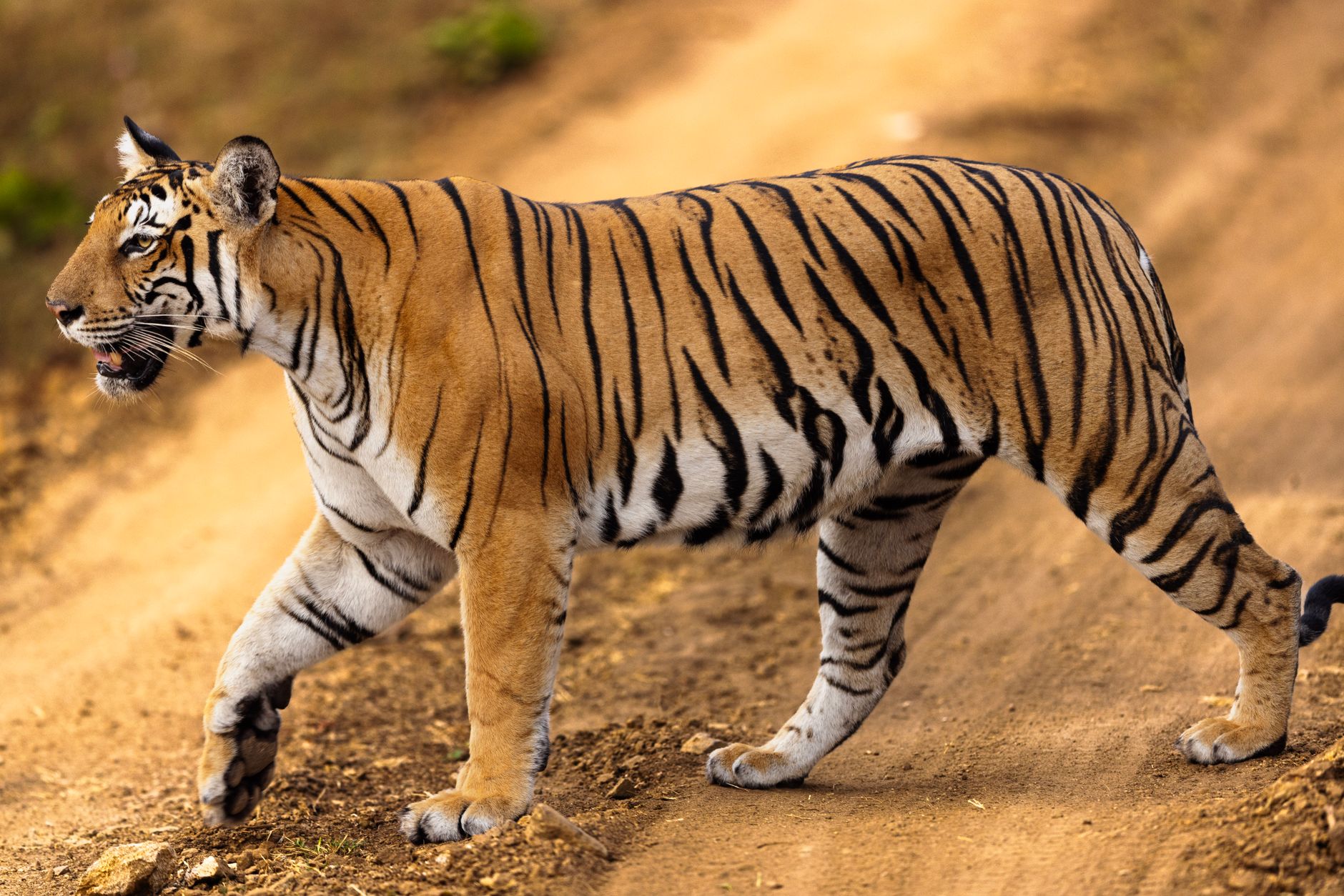
Introduction: The Allure of the Bengal Tiger
The Bengal tiger (Panthera tigris tigris) holds an almost mythical status in the animal kingdom. Its striking orange and black stripes, combined with its raw power and elusive nature, make it a highly sought-after sight for wildlife enthusiasts. However, witnessing this majestic creature in its natural habitat is no easy feat. Habitat loss, poaching, and human-wildlife conflict have significantly reduced tiger populations, making sightings precious and, in some areas, rare. Knowing where are the tourists most likely to see a tiger? requires understanding tiger habitats, conservation efforts, and tourism infrastructure in specific regions.
What is the most invasive plant in Australia?
What is the GREY African clawed frog?
Is distilled water good for goldfish?
Can you put your finger in a trout's mouth?
Prime Tiger Habitats: India and Nepal

The majority of the world’s wild tigers reside in India, making it the premier destination for tiger tourism. Nepal also boasts a significant and growing tiger population. These countries have established national parks and wildlife reserves specifically designed to protect tigers and their prey. Effective conservation strategies, coupled with responsible tourism practices, are key to maximizing sighting opportunities.
Factors Influencing Tiger Sightings
Several factors influence the likelihood of spotting a tiger. These include:
- Time of year: The dry season (typically November to May) offers the best visibility as vegetation is thinner and water sources are limited, concentrating animals around specific locations.
- Time of day: Tigers are most active during dawn and dusk. Safari drives at these times offer the greatest chance of an encounter.
- Location within the park: Some zones or areas within a national park may have higher tiger densities or offer better terrain for spotting them.
- Guide expertise: Experienced guides understand tiger behavior, track footprints, and listen for alarm calls from other animals, greatly increasing your chances.
- Safari vehicle type: Open-top jeeps provide better visibility and allow for a more immersive experience compared to closed vehicles.
Top National Parks for Tiger Sightings
Here are some of the most renowned national parks in India and Nepal where tiger sightings are relatively frequent:
- India:
- Bandhavgarh National Park, Madhya Pradesh: Known for its high tiger density.
- Kanha National Park, Madhya Pradesh: Featured in Kipling’s “The Jungle Book” and offers stunning landscapes.
- Ranthambore National Park, Rajasthan: Famous for its daytime tiger sightings and historical fort.
- Pench National Park, Madhya Pradesh: Inspired “The Jungle Book”, great birding and wildlife.
- Tadoba-Andhari Tiger Reserve, Maharashtra: Growing tiger population and diverse habitat.
- Corbett National Park, Uttarakhand: India’s oldest national park, with varied terrain.
- Nepal:
- Chitwan National Park: Offers jeep safaris, walking tours, and canoe rides.
- Bardia National Park: Less crowded than Chitwan, with good chances of spotting tigers and other wildlife.
Choosing the Right Safari Experience
Selecting the right safari experience is crucial. Consider these factors:
- Reputation of the operator: Choose a reputable company with experienced guides and a commitment to responsible tourism.
- Accommodation: Select accommodation that is conveniently located near the park entrance and offers comfortable amenities.
- Type of safari: Opt for jeep safaris as they provide the best visibility and flexibility. Walking safaris are also available in some parks, offering a different perspective.
- Group size: Smaller groups generally offer a more intimate and personalized experience.
Responsible Tiger Tourism
It is crucial to engage in responsible tiger tourism that supports conservation efforts and minimizes the impact on the animals and their habitat. This includes:
- Following park rules and regulations.
- Maintaining a respectful distance from wildlife.
- Avoiding loud noises or disruptive behavior.
- Supporting local communities and businesses.
- Choosing eco-friendly accommodation and tour operators.
Understanding Tiger Behavior
Understanding basic tiger behavior can enhance your safari experience. Tigers are primarily solitary animals except during mating season or when a mother is raising cubs. They are crepuscular hunters, meaning they are most active during dawn and dusk. They use scent marking and vocalizations to communicate with other tigers. Observing these behaviors can provide valuable insights into their lives.
Conservation Efforts: Saving the Tiger
Numerous conservation efforts are underway to protect tigers and their habitats. These include:
- Anti-poaching patrols and law enforcement.
- Habitat restoration and management.
- Community-based conservation programs.
- Tiger monitoring and research.
- Reducing human-wildlife conflict.
Supporting these efforts is essential to ensure the long-term survival of tigers.
Frequently Asked Questions (FAQs)
What is the best time of year to go on a tiger safari?
The best time of year is during the dry season, typically from November to May. During this time, vegetation is thinner, making it easier to spot tigers. Water sources are also limited, concentrating animals around specific areas. Temperatures can be high, but the increased visibility makes it worthwhile.
What are the chances of seeing a tiger on a safari?
The chances vary depending on the park, time of year, and guide expertise. However, in the prime national parks of India and Nepal, you have a realistic chance of seeing a tiger if you spend several days on safari. Don’t expect a guaranteed sighting, as tigers are wild animals and their movements are unpredictable.
Which national park offers the highest probability of seeing a tiger?
Bandhavgarh National Park in Madhya Pradesh, India, is often cited as having the highest tiger density and therefore a good chance of sightings. However, other parks like Kanha and Ranthambore also offer excellent opportunities.
What should I wear on a tiger safari?
Wear comfortable clothing in neutral colors (khaki, green, brown) to blend in with the surroundings. Avoid bright colors or patterns that could startle the animals. Long sleeves and pants are recommended for protection against insects and thorny vegetation. A hat, sunglasses, and sunscreen are also essential.
What equipment should I bring on a tiger safari?
Bring binoculars to get a closer look at wildlife. A camera with a zoom lens is essential for capturing memorable photos. A field guide can help you identify different species of animals and plants. Insect repellent, sunscreen, and a water bottle are also important.
What safety precautions should I take on a tiger safari?
Always follow the instructions of your guide and stay inside the safari vehicle. Do not approach or feed the animals. Avoid making loud noises or sudden movements. Be aware of your surroundings and report any unusual activity to your guide.
How much does a tiger safari cost?
The cost of a tiger safari varies depending on the duration, accommodation, and type of tour. A typical safari in India or Nepal can cost anywhere from $500 to $2000 per person. This usually includes accommodation, meals, park fees, and safari drives.
What is the best way to book a tiger safari?
The best way is to book through a reputable tour operator with experience in organizing wildlife safaris. Compare prices and itineraries from different operators before making a decision. Check reviews and testimonials from previous travelers.
Is it ethical to go on a tiger safari?
Yes, if done responsibly. Supporting responsible tourism helps fund conservation efforts and provides economic benefits to local communities. Avoid operators that engage in unethical practices such as baiting or disturbing the animals.
Are there alternative ways to support tiger conservation?
Yes, you can donate to tiger conservation organizations, adopt a tiger, or purchase products from companies that support conservation efforts. Spreading awareness about the importance of tiger conservation is also crucial.
What other animals can I see on a tiger safari?
Besides tigers, you can also see a variety of other animals, including leopards, sloth bears, wild dogs, deer, monkeys, birds, and reptiles. The specific species will vary depending on the park.
What happens if I don’t see a tiger on my safari?
While disappointing, it’s important to remember that tigers are wild animals. Even without a tiger sighting, you will still have the opportunity to see other fascinating wildlife and enjoy the beauty of the natural environment. Consider it an opportunity to appreciate the ecosystem as a whole, knowing that where are the tourists most likely to see a tiger? the environment itself remains the priority.